

Every year, millions of people experience the sharp pain and frustrating limitations that come with a meniscus tear. Whether you’re an athlete who twisted wrong during a game or someone who simply stepped off a curb awkwardly, the question “will a knee brace help with a meniscus tear” becomes crucial for your recovery journey. 🏃♂️
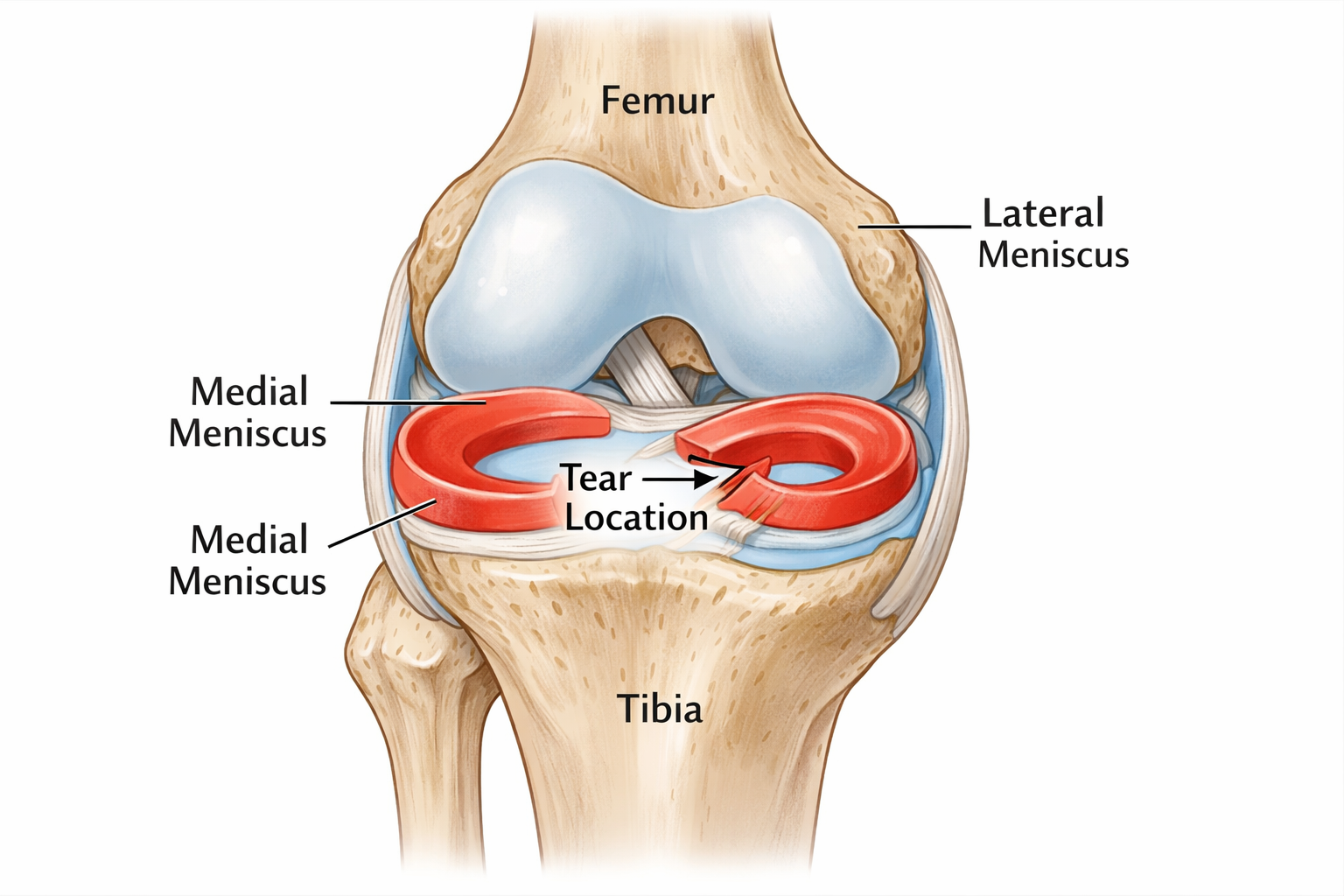
The good news is that knee braces can play a valuable role in managing meniscus injuries, though they’re not a magic cure. Understanding how braces work with your body’s natural healing process can help you make informed decisions about your recovery plan.
Key Takeaways
• Knee braces provide support and stability but cannot repair torn meniscus tissue
• Different brace types offer varying levels of protection – from basic compression sleeves to advanced hinged models
• Braces work best when combined with proper medical treatment and physical therapy
• Timing matters – braces are most helpful during early recovery and return to activity
• Professional guidance is essential for severe tears or persistent symptoms
What Is a Meniscus Tear?
The meniscus acts as your knee’s natural shock absorber – two C-shaped pieces of cartilage that cushion the space between your thighbone and shinbone. Think of them as rubber gaskets that help your knee joint move smoothly while protecting the bones from grinding against each other.
Meniscus tears happen in several ways:
- Sports injuries from sudden pivoting or twisting movements
- Degenerative tears from normal wear and tear as we age
- Traumatic injuries from falls or direct impacts to the knee
- Repetitive stress from activities that put constant pressure on the knee
Common Symptoms Include:
- Sharp or aching knee pain, especially when twisting
- Swelling that develops within 24-48 hours
- Stiffness and reduced range of motion
- Difficulty bending or straightening the knee completely
- A catching or locking sensation during movement
- Instability or feeling like the knee might give out
The severity of symptoms often depends on the size and location of the tear. Small tears might cause minor discomfort, while larger tears can significantly impact daily activities.
Will a Knee Brace Help With a Meniscus Tear?
The honest answer is: knee braces can help manage symptoms and provide support, but they cannot heal the torn cartilage itself. Here’s what braces can and cannot do for meniscus injuries:
What Knee Braces CAN Do:
✅ Provide external stability to reduce stress on the injured meniscus
✅ Limit harmful movements that might worsen the tear
✅ Reduce swelling through compression
✅ Increase confidence during movement and activity
✅ Support surrounding muscles and ligaments
What Knee Braces CANNOT Do:
❌ Repair torn cartilage – only time and sometimes surgery can do this
❌ Eliminate all pain from significant tears
❌ Replace proper medical treatment for severe injuries
❌ Prevent all re-injury if you return to activity too soon
Will knee brace help torn meniscus depends largely on the severity of your injury and how you use the brace as part of a comprehensive treatment plan.
Types of Knee Braces That May Help With Meniscus Tears
Choosing the right brace type depends on your injury severity, activity level, and comfort preferences. Here are the main options:
Compression Knee Sleeves
Best for: Minor tears, mild swelling, general support
- Made from elastic materials like neoprene or fabric blends
- Provide uniform compression around the entire knee
- Easy to wear under clothing for daily activities
- Most affordable option for basic support
Pros: Comfortable, breathable, good for mild symptoms
Cons: Limited stability for significant tears
Hinged Knee Braces
Best for: Moderate to severe tears, return to sports, instability
- Feature metal or plastic hinges on both sides of the knee
- Allow controlled bending while preventing harmful sideways movement
- Provide maximum stability and protection
- Often recommended by orthopedic specialists
Pros: Excellent support, customizable fit, durable
Cons: More expensive, bulkier than sleeves
Wraparound Knee Braces
Best for: Adjustable support, easy application, moderate tears
- Feature velcro straps for customizable compression
- Quick to put on and adjust throughout the day
- Offer moderate support between sleeves and hinged braces
- Good option for varying swelling levels
Pros: Adjustable, convenient, moderate price point
Cons: May slip during intense activity
For detailed comparisons, check our guide on knee brace or sleeve for meniscus tear options.
Benefits of Wearing a Knee Brace With a Meniscus Tear
When used properly, knee braces offer several advantages during meniscus tear recovery:
🎯 Enhanced Stability
Braces provide external support that helps compensate for the knee’s reduced stability from the torn meniscus. This is especially important when walking on uneven surfaces or changing directions.
💪 Reduced Joint Stress
By limiting excessive movement and providing compression, braces help reduce the mechanical stress on the injured meniscus during daily activities.
🧠 Increased Confidence
Many people report feeling more confident and willing to move when wearing a supportive brace. This psychological benefit can be crucial for maintaining activity levels during recovery.
🩹 Swelling Management
Compression from knee braces can help manage swelling by promoting better circulation and preventing fluid accumulation around the joint.
⚡ Pain Reduction
While braces don’t eliminate pain, many users experience reduced discomfort during movement, especially when combined with other treatments.
The key is understanding that these benefits work best when braces are part of a comprehensive approach that includes rest, proper rehabilitation, and medical guidance when needed.
When Will a Knee Brace Help With a Meniscus Tear Most?
Timing and circumstances play a crucial role in how effective knee braces are for meniscus injuries:
During Early Recovery (First 2-6 weeks)
- Braces help protect the knee during initial healing
- Compression aids in swelling reduction
- Support allows for gentle, controlled movement
Return to Activity Phase
- Graduated return to sports or exercise
- Braces provide confidence during movement
- Help prevent re-injury during vulnerable healing period
Chronic or Degenerative Tears
- Long-term support for ongoing symptoms
- Management of arthritis-related knee pain
- Maintenance of activity levels despite cartilage damage
Specific Activities
- Walking or hiking on uneven terrain
- Recreational sports with cutting movements
- Work activities requiring prolonged standing or kneeling
For guidance on daily use, see our article about how many hours a day should I wear a knee brace.
Limitations of Knee Braces for Meniscus Tears
It’s important to have realistic expectations about what knee braces can accomplish:
Braces Cannot Heal Torn Cartilage
The meniscus has limited blood supply, especially in the inner portions. Small tears might heal naturally with time, but braces don’t accelerate this process.
Severe Tears May Require Surgery
Large tears, especially those that cause locking or significant instability, often need surgical repair or removal regardless of brace use.
Effectiveness Varies by Individual
Factors like tear location, size, age, and activity level all influence how much benefit someone gets from wearing a brace.
Risk of Over-Dependence
Relying too heavily on braces without addressing underlying weakness or biomechanical issues can potentially delay full recovery.
Other Treatment Options for Meniscus Tears
Knee braces work best as part of a comprehensive treatment approach:
Conservative Treatment
- Rest and activity modification to allow healing
- Ice therapy for swelling and pain control
- Anti-inflammatory medications as directed by healthcare providers
- Physical therapy to restore strength and mobility
Advanced Therapies
- Corticosteroid injections for persistent inflammation
- Platelet-rich plasma (PRP) therapy for healing enhancement
- Hyaluronic acid injections for joint lubrication
Surgical Options
- Arthroscopic repair for tears in the vascular zone
- Partial meniscectomy to remove damaged tissue
- Meniscus transplant for extensive damage in younger patients
Understanding what injuries require a knee brace can help you determine if your situation warrants additional medical intervention.
Tips for Choosing the Right Knee Brace
Selecting the best brace for your meniscus tear involves several considerations:
Assess Your Support Needs
- Mild symptoms: Compression sleeve may be sufficient
- Moderate instability: Wraparound brace with straps
- Significant tears: Hinged brace for maximum support
Ensure Proper Fit
- Measure your knee circumference accurately
- Check that the brace doesn’t cut off circulation
- Ensure comfortable movement without sliding
Consider Material and Comfort
- Breathable fabrics for all-day wear
- Moisture-wicking properties for active use
- Hypoallergenic materials if you have sensitive skin
Think About Lifestyle Needs
- Discreet options for work or social situations
- Durable construction for sports activities
- Easy application if you have limited mobility
For detailed fitting guidance, check our how a knee brace should fit guide.
When to See a Medical Professional
While knee braces can help manage many meniscus tears, certain situations require professional medical evaluation:
Immediate Medical Attention Needed:
🚨 Severe pain that doesn’t improve with rest and over-the-counter medication
🚨 Knee locking where you cannot fully bend or straighten the joint
🚨 Significant swelling that develops rapidly or doesn’t respond to ice and elevation
🚨 Complete inability to bear weight on the affected leg
🚨 Visible deformity or obvious instability
Schedule an Appointment If:
- Pain persists for more than a few days
- Symptoms interfere with daily activities
- Previous treatments haven’t provided relief
- You’re unsure about the severity of your injury
Early professional evaluation can prevent minor tears from becoming major problems and ensure you’re using the most appropriate treatment approach.
Conclusion
Will a knee brace help with a meniscus tear? The answer is a qualified yes – knee braces can provide valuable support, stability, and symptom management for meniscus injuries, but they’re not a standalone solution. The most effective approach combines appropriate brace selection with proper medical care, rehabilitation exercises, and realistic expectations about the healing process.
Key points to remember:
- Braces support healing but don’t repair torn cartilage
- Different brace types serve different needs and injury severities
- Professional guidance ensures you’re using the right treatment approach
- Combining braces with other therapies typically yields the best results
Your next steps:
- Assess your symptoms honestly and seek medical evaluation for severe or persistent issues
- Choose an appropriate brace based on your injury severity and activity needs
- Follow a comprehensive treatment plan that includes rest, rehabilitation, and gradual return to activity
- Monitor your progress and adjust your approach as healing progresses
Remember, successful meniscus tear recovery is a journey, not a destination. With the right combination of support, treatment, and patience, most people can return to their desired activity levels and enjoy improved knee function.
For more specific guidance on knee support options, explore our comprehensive guides on knee brace for meniscus tear and will knee brace help with knee pain to find the best solution for your situation.