

Living with knee arthritis can feel like carrying an invisible burden that affects every step you take. The constant aching, stiffness that greets you each morning, and the fear of your knee giving out during simple activities can transform even basic tasks into painful challenges. Will a knee brace help with arthritis pain? This question crosses the minds of millions of people seeking relief from the relentless discomfort that arthritis brings to their daily lives.
Knee arthritis affects over 32 million adults in the United States alone, making it one of the most common causes of disability. The condition occurs when the protective cartilage in your knee joint breaks down, causing bones to rub against each other and creating pain, swelling, and reduced mobility. While there’s no cure for arthritis, knee braces have emerged as a popular non-invasive treatment option that many people turn to for relief.
This comprehensive guide explores how knee braces can help manage arthritis pain, the different types available, their benefits and limitations, and what you need to know to make an informed decision about incorporating a knee brace into your arthritis management plan.
Key Takeaways
• Knee braces can provide significant pain relief for many people with arthritis by stabilizing the joint, improving alignment, and reducing pressure on damaged cartilage
• Different types of braces serve different purposes – unloader braces shift weight away from damaged areas, while compression sleeves reduce swelling and provide mild support
• Braces work best as part of a comprehensive treatment plan that includes physical therapy, weight management, and other arthritis management strategies
• Proper fit and professional guidance are essential for getting the maximum benefit from a knee brace while avoiding potential complications
• Results vary by individual – while many people experience relief, braces don’t cure arthritis and may not work equally well for everyone
What Is Knee Arthritis?
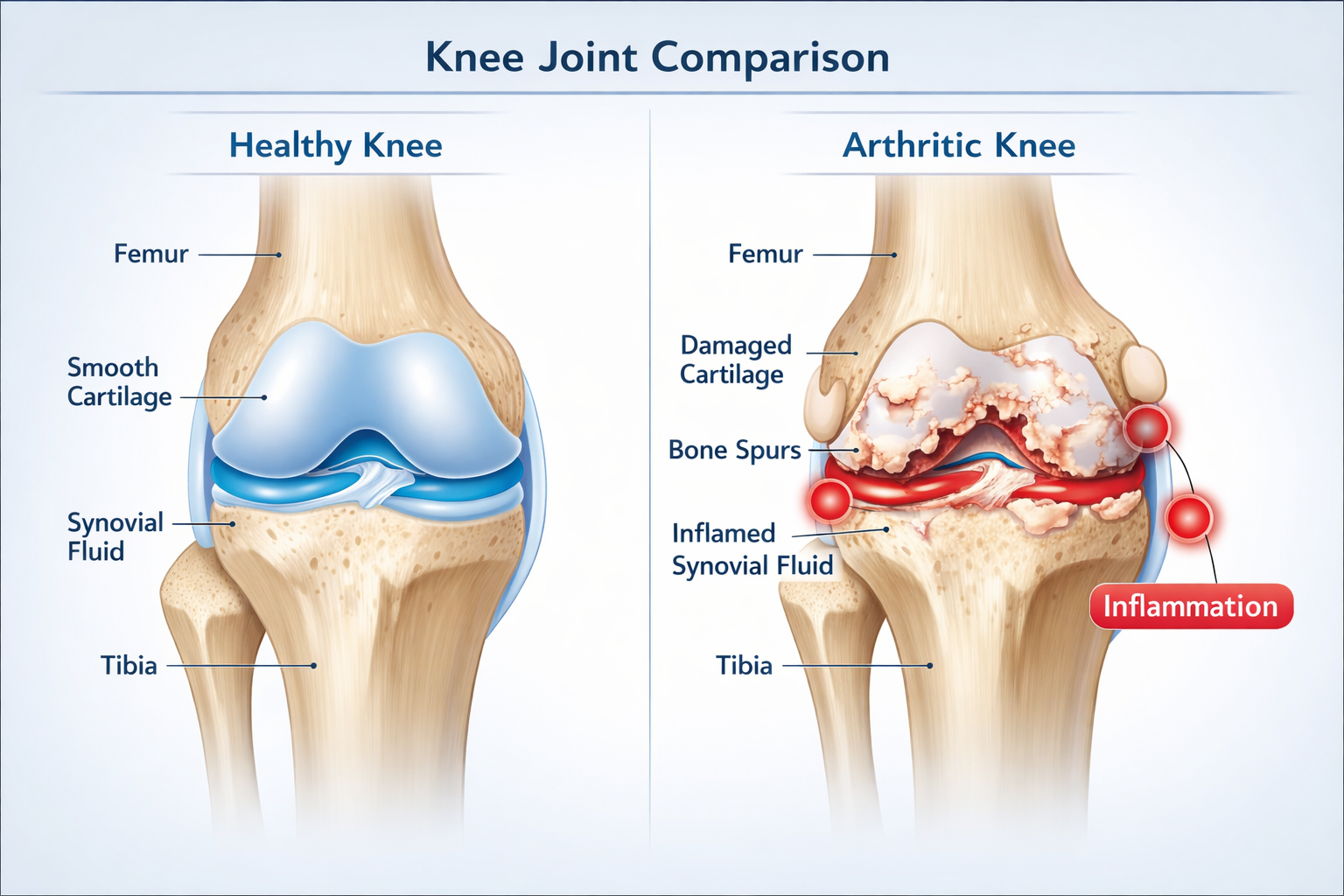
Knee arthritis is a degenerative condition that affects the joint where your thighbone (femur) meets your shinbone (tibia). The knee joint relies on smooth cartilage to cushion the bones and allow pain-free movement. When arthritis develops, this cartilage gradually breaks down, leading to bone-on-bone contact that causes significant discomfort.
Common Types of Knee Arthritis
Osteoarthritis is the most prevalent form, often called “wear-and-tear” arthritis. It typically develops as people age, with cartilage naturally deteriorating over time. Factors like previous injuries, obesity, and genetics can accelerate this process.
Rheumatoid arthritis is an autoimmune condition where the body’s immune system attacks the joint lining (synovium). This creates inflammation that can damage cartilage and bone, often affecting multiple joints simultaneously.
Post-traumatic arthritis develops after a knee injury, such as a fracture, ligament tear, or meniscus damage. Even with proper treatment, previous injuries can increase the risk of arthritis developing years later.
Typical Symptoms
The hallmark symptoms of knee arthritis include:
- Pain and stiffness that worsens with activity and improves with rest
- Morning stiffness that gradually loosens up throughout the day
- Swelling around the knee joint, especially after periods of activity
- Reduced range of motion making it difficult to fully bend or straighten the knee
- Grinding or clicking sensations when moving the knee
- Weakness in the surrounding muscles due to pain and reduced activity
Understanding these symptoms helps explain why many people ask, “Will a knee brace help with arthritis pain?” The answer often depends on which symptoms are most prominent and how severe the arthritis has become.
Will a Knee Brace Help With Arthritis Pain? The Science Behind Support
The effectiveness of knee braces for arthritis pain relief is supported by both scientific research and real-world experience. Studies have shown that properly fitted knee braces can reduce pain levels by 20-40% in people with mild to moderate knee arthritis.
How Knee Braces Support the Joint
Knee braces work through several mechanisms to address arthritis-related pain:
Joint Stabilization: Braces provide external support that helps stabilize an arthritic knee joint. This stability reduces the unpredictable movement that can cause sudden pain flares and helps people feel more confident during daily activities.
Pressure Redistribution: Certain types of braces, particularly unloader braces, can shift weight away from the most damaged areas of the knee. This redistribution allows healthier parts of the joint to bear more load while giving damaged cartilage a chance to rest.
Proprioceptive Enhancement: Braces improve your body’s awareness of knee position and movement. This enhanced proprioception helps prevent awkward movements that might aggravate arthritis pain and reduces the risk of falls or further injury.
Compression Benefits
Many knee braces incorporate compression elements that provide additional therapeutic benefits:
- Improved circulation helps reduce swelling and promotes healing
- Warmth retention keeps the joint comfortable and may improve flexibility
- Reduced inflammation through gentle, consistent pressure on the joint
- Enhanced muscle activation around the knee for better support
The question “Will a knee brace help with arthritis pain?” has a generally positive answer for many people, but individual results depend on factors like arthritis severity, brace type, and proper fitting. For comprehensive information about how knee braces help with arthritis, including specific research findings and success rates.
How Knee Braces Work for Arthritis
Understanding the mechanics of how knee braces function can help you appreciate why they’re effective for arthritis management and set realistic expectations for their use.
Stabilizing the Knee Joint
Arthritic knees often become unstable due to cartilage loss, ligament stretching, and muscle weakness around the joint. Knee braces provide external stability that compensates for these internal changes. The brace acts like a external ligament system, preventing excessive side-to-side movement and hyperextension that can worsen arthritis pain.
This stabilization is particularly important during weight-bearing activities like walking, climbing stairs, or getting up from a chair. Many people report feeling more confident and experiencing less pain during these activities when wearing a supportive knee brace.
Improving Alignment of the Knee
Proper knee alignment is crucial for optimal joint function. Arthritis can cause the knee to track improperly, leading to uneven wear on the remaining cartilage and increased pain. Quality knee braces help maintain proper alignment by:
- Keeping the kneecap (patella) in its correct position
- Preventing the knee from collapsing inward (valgus) or outward (varus)
- Maintaining proper tracking during movement
- Reducing compensatory movement patterns that can cause additional problems
Reducing Strain on Damaged Cartilage
One of the most significant ways braces help with arthritis pain is by reducing mechanical stress on damaged cartilage. This occurs through:
Load Distribution: Braces spread forces more evenly across the joint surface, preventing concentrated pressure on the most damaged areas.
Shock Absorption: Many braces include padding or materials that help absorb impact forces during walking or other activities.
Movement Control: By limiting excessive or harmful movements, braces protect fragile cartilage from further damage.
Providing Compression to Reduce Swelling
Swelling is a common and painful symptom of knee arthritis. Compression from knee braces helps manage this swelling by:
- Promoting lymphatic drainage to remove excess fluid
- Improving blood circulation in the area
- Providing consistent, gentle pressure that reduces inflammation
- Offering warmth that can improve joint flexibility and comfort
For those dealing with significant swelling, learning about how knee braces help with swelling can provide additional insights into managing this challenging symptom.
Types of Knee Braces Used for Arthritis
Choosing the right type of knee brace is crucial for getting optimal pain relief from arthritis. Different brace designs target specific aspects of arthritis symptoms, and understanding these differences helps ensure you select the most appropriate option for your needs.
Unloader Knee Braces
Unloader braces are specifically designed for people with unicompartmental arthritis – arthritis that primarily affects one side of the knee joint. These sophisticated braces use a three-point pressure system to shift weight away from the damaged compartment and onto the healthier side of the joint.
Key Features:
- Hinged design with adjustable tension
- Rigid frame construction for maximum support
- Customizable pressure points
- Often prescribed for moderate to severe osteoarthritis
Best For:
- Medial (inner) or lateral (outer) compartment arthritis
- People who want to delay knee replacement surgery
- Active individuals who need strong support during activities
Studies show that unloader braces can reduce pain by up to 50% in people with unicompartmental knee arthritis. However, they tend to be bulkier and more expensive than other options. For detailed information about unloader knee braces and their specific applications.
Hinged Knee Braces
Hinged braces provide excellent stability and support for people with arthritis who also have ligament instability or significant joint weakness. These braces feature metal or composite hinges on both sides of the knee that allow controlled flexion and extension while preventing harmful sideways movement.
Key Features:
- Dual-hinge design for maximum stability
- Adjustable range of motion controls
- Strong materials for long-term durability
- Available in both rigid and semi-rigid versions
Best For:
- Moderate to severe knee arthritis with instability
- People recovering from knee injuries
- Those who need maximum support during physical activities
Learn more about hinged knee braces and their specific benefits for different types of knee problems.
Compression Knee Sleeves
Compression sleeves are the most popular choice for mild to moderate arthritis due to their comfort, ease of use, and affordability. These sleeves are typically made from neoprene or similar materials that provide gentle compression and warmth to the knee joint.
Key Features:
- Lightweight and comfortable for all-day wear
- Easy to put on and take off
- Provide warmth and mild compression
- Available in various compression levels
Best For:
- Mild arthritis symptoms
- Daily activity support
- People who want discreet support under clothing
- Those new to using knee braces
For comprehensive guidance on compression knee braces and how they compare to other options.
Wraparound Knee Braces
Wraparound braces offer adjustable support that can be customized throughout the day as symptoms change. These braces typically use Velcro straps or similar closure systems that allow for easy adjustment and removal.
Key Features:
- Fully adjustable compression and support
- Easy application for people with limited mobility
- Can accommodate swelling changes throughout the day
- Available with various support levels
Best For:
- People with fluctuating symptoms
- Those who have difficulty putting on pull-on sleeves
- Individuals who need adjustable support levels
- Post-surgery rehabilitation

|

|

|
|
Description: EXOUS BODYGEAR is a dedicated sports accessory brand. We are primarily focused on the EX-701 knee support, which is our patented, unique, original design knee brace offering generic 2- and 3-strap knee braces. Patented 4 Strap Attachment: 4 anchor points allow you to adjust the fit and compression to your desired comfort. The knee compression will feel like it is around the whole knee joint |
Description: NEENCA KNEE SUPPORT TECHNOLOGY— An anatomically contoured patella gel pad surrounds your kneecap, and removable dual-side copper stabilizers fit tightly with your joint. It helps control your movement, effectively supports knee recovery treatment, and accelerates recovery. BEST CHOICE for sports protection and knee pain relief. |
Description: Our anti-inflammatory treatment knee brace for men & women provides superior support, stability, and relief for people with meniscus tears, ACL injuries, arthritis, and joint aches. Stay Active: Our knee sleeves for women & men are designed to be flexible and fit comfortably on your knee, providing stable pressure, knee support, and stabilizing your knee joint. |
|
Our Rating:
4.8
|
Our Rating:
4.9
|
Our Rating:
4.4
|
|
$34.98
|
$59.89
|
$27.95
|
EXOUS BODYGEAR is a dedicated sports accessory brand. We are primarily focused on the EX-701 knee support, which is our patented, unique, original design knee brace offering generic 2- and 3-strap knee braces.
Patented 4 Strap Attachment: 4 anchor points allow you to adjust the fit and compression to your desired comfort. The knee compression will feel like it is around the whole knee joint
NEENCA KNEE SUPPORT TECHNOLOGY— An anatomically contoured patella gel pad surrounds your kneecap, and removable dual-side copper stabilizers fit tightly with your joint.
It helps control your movement, effectively supports knee recovery treatment, and accelerates recovery. BEST CHOICE for sports protection and knee pain relief.
Our anti-inflammatory treatment knee brace for men & women provides superior support, stability, and relief for people with meniscus tears, ACL injuries, arthritis, and joint aches.
Stay Active: Our knee sleeves for women & men are designed to be flexible and fit comfortably on your knee, providing stable pressure, knee support, and stabilizing your knee joint.
Benefits of Wearing a Knee Brace for Arthritis
The benefits of using a knee brace for arthritis extend far beyond simple pain reduction. Understanding these comprehensive benefits helps explain why healthcare providers often recommend braces as part of a multi-modal arthritis management approach.
Reduced Joint Pain During Movement
The most immediate and noticeable benefit is pain reduction during daily activities. Clinical studies consistently show that people with knee arthritis experience significant pain relief when wearing appropriate braces. This pain reduction occurs because:
- Mechanical support reduces stress on damaged joint surfaces
- Improved alignment prevents painful bone-on-bone contact
- Compression helps manage inflammation and swelling
- Warmth from the brace material improves joint comfort
Many users report that activities like walking, climbing stairs, and getting up from chairs become noticeably more comfortable with a properly fitted knee brace.
Improved Stability While Walking or Standing
Arthritis often compromises knee stability, leading to feelings of weakness or the fear that the knee might “give out.” Knee braces address this concern by:
- Providing external support that compensates for weakened internal structures
- Enhancing proprioception (joint position awareness)
- Reducing the risk of sudden knee buckling or collapse
- Allowing for more confident movement patterns
For those specifically dealing with knee instability, information about knee braces for buckling prevention provides targeted guidance.
Increased Confidence in Daily Activities
The psychological benefits of knee braces are often underestimated but extremely important. When people feel more stable and experience less pain, they naturally become more confident in their movements. This increased confidence leads to:
- Greater activity participation and less avoidance of beneficial activities
- Improved quality of life through maintained independence
- Better sleep due to reduced anxiety about knee pain
- Enhanced social engagement as mobility fears decrease
Potential Delay of More Invasive Treatments
Knee braces may help postpone the need for surgical interventions like knee replacement surgery. While braces don’t cure arthritis, they can:
- Slow the progression of joint damage by reducing harmful stresses
- Maintain function and mobility for longer periods
- Allow people to remain active, which is beneficial for overall joint health
- Provide time to explore other conservative treatment options
Research suggests that people who use knee braces consistently, combined with other conservative treatments, may be able to delay surgery by several years in some cases.
Additional Benefits
Other notable advantages include:
- Cost-effectiveness compared to surgical procedures or frequent medical treatments
- Non-invasive nature with minimal side effects when properly fitted
- Immediate relief that doesn’t require waiting for medications to take effect
- Compatibility with other arthritis treatments like physical therapy and medications
For those interested in exploring the best knee braces specifically designed for arthritis, comprehensive reviews and recommendations are available.
Limitations of Knee Braces
While knee braces offer significant benefits for many people with arthritis, it’s important to understand their limitations to maintain realistic expectations and make informed decisions about treatment options.
Knee Braces Do Not Cure Arthritis
The most important limitation to understand is that knee braces are a management tool, not a cure. Arthritis is a progressive condition, and while braces can significantly improve symptoms and quality of life, they cannot:
- Regenerate damaged cartilage
- Reverse the underlying disease process
- Eliminate the need for other treatments entirely
- Prevent arthritis from eventually progressing
Braces work best when viewed as part of a comprehensive arthritis management strategy rather than a standalone solution.
Some Braces May Feel Bulky or Uncomfortable
Comfort and practicality concerns can limit brace effectiveness:
- Bulky designs may be difficult to wear under normal clothing
- Skin irritation can develop with prolonged wear, especially in hot weather
- Adjustment periods are often necessary as users adapt to wearing a brace
- Maintenance requirements like cleaning and proper storage add to daily routines
These comfort issues are often manageable with proper fitting, gradual introduction, and selecting the right type of brace for individual needs. Learning about proper knee brace fitting can help minimize these problems.
Results Vary Depending on Severity of Arthritis
Brace effectiveness is closely related to arthritis severity:
- Mild arthritis typically responds very well to bracing
- Moderate arthritis often shows good improvement with appropriate braces
- Severe arthritis may receive limited benefit, especially in advanced bone-on-bone cases
- Individual variation means some people respond better than others regardless of severity
Potential Muscle Weakness Concerns
Long-term brace use raises questions about muscle conditioning:
Some healthcare providers worry that extended brace use might lead to muscle weakness or dependency. However, research on this topic shows mixed results, and the benefits often outweigh potential risks when braces are used appropriately.
To address these concerns, many experts recommend combining brace use with strengthening exercises and physical therapy. Information about whether knee braces weaken muscles provides evidence-based insights into this important consideration.
Cost and Insurance Considerations
Financial limitations can affect access to optimal bracing:
- High-quality braces can be expensive, especially custom-fitted options
- Insurance coverage varies widely and may not cover all types of braces
- Replacement costs add up over time as braces wear out
- Professional fitting fees may be additional expenses
Despite these limitations, many people find that the benefits of knee braces for arthritis far outweigh the drawbacks, especially when braces are properly selected, fitted, and used as part of a comprehensive treatment plan.
Other Treatments That Can Help Arthritis Pain
Will a knee brace help with arthritis pain? While the answer is often yes, braces work best when combined with other evidence-based treatments. A comprehensive approach to arthritis management typically produces better results than relying on any single intervention.
Physical Therapy and Strengthening Exercises
Physical therapy is one of the most effective treatments for knee arthritis. A qualified physical therapist can design a program that:
- Strengthens the muscles around the knee to provide better joint support
- Improves flexibility and range of motion
- Teaches proper movement patterns to reduce joint stress
- Provides pain management techniques like manual therapy
Key exercises often include:
- Quadriceps strengthening to support the front of the knee
- Hamstring flexibility to maintain proper knee mechanics
- Hip strengthening to improve overall leg alignment
- Low-impact cardiovascular exercise to maintain joint health
Weight Management to Reduce Joint Stress
Every pound of body weight creates approximately 4 pounds of pressure on the knee joint during walking. This means that even modest weight loss can significantly reduce arthritis pain:
- 5-10 pound weight loss can noticeably improve symptoms
- Maintained weight loss provides long-term joint protection
- Combined with exercise creates synergistic benefits for joint health
- Nutritional support helps reduce inflammation throughout the body
Anti-Inflammatory Medications
Medications play an important role in arthritis management:
Over-the-counter options:
- NSAIDs (ibuprofen, naproxen) for pain and inflammation
- Acetaminophen for pain relief
- Topical creams and gels for localized treatment
Prescription medications:
- Stronger NSAIDs for severe inflammation
- Corticosteroid injections for acute flare-ups
- Hyaluronic acid injections to improve joint lubrication
- Disease-modifying drugs for rheumatoid arthritis
Heat and Cold Therapy
Temperature therapy provides simple, effective symptom relief:
Heat therapy benefits:
- Improves circulation and flexibility
- Reduces morning stiffness
- Relaxes muscles around the joint
- Can be combined with knee braces that provide warmth
Cold therapy benefits:
- Reduces acute inflammation and swelling
- Numbs pain during flare-ups
- Helpful after periods of increased activity
- Easy to apply with ice packs or cold wraps
Lifestyle Adjustments and Activity Modification
Smart lifestyle changes can significantly impact arthritis symptoms:
- Low-impact activities like swimming, cycling, and walking instead of high-impact sports
- Joint protection techniques during daily activities
- Ergonomic improvements at work and home
- Stress management since stress can worsen inflammation
- Sleep optimization to support healing and pain management
For those exploring comprehensive pain management options, learning about the best devices for knee pain can provide additional treatment ideas.
How to Choose the Right Knee Brace for Arthritis
Selecting the most appropriate knee brace for arthritis requires careful consideration of multiple factors. The right choice can make the difference between significant pain relief and disappointment with brace effectiveness.
Level of Support Required
Your arthritis severity and symptoms determine the support level needed:
Mild Support (Compression Sleeves):
- Best for early-stage arthritis
- Minimal pain and good joint stability
- Desire for discreet, comfortable support
- Daily activity enhancement
Moderate Support (Hinged or Wraparound Braces):
- Moderate arthritis with some instability
- Noticeable pain during activities
- Need for adjustable support levels
- Balance between support and comfort
Maximum Support (Unloader Braces):
- Severe arthritis in one compartment
- Significant pain and functional limitation
- Desire to delay surgical intervention
- Willingness to accept bulkier design for maximum benefit
Proper Fit and Comfort
Proper fitting is crucial for brace effectiveness and comfort:
Measurement considerations:
- Accurate knee circumference at multiple points
- Thigh and calf measurements for proper sizing
- Consideration of swelling patterns throughout the day
- Professional measurement when possible
Fit indicators:
- Snug but not restrictive compression
- No sliding or bunching during movement
- Comfortable for intended wearing duration
- Proper alignment with knee anatomy
For detailed guidance on sizing, the complete guide to knee brace sizing provides step-by-step instructions.
Breathable Materials for Long-Term Wear
Material selection affects comfort and compliance:
Preferred materials:
- Moisture-wicking fabrics for active use
- Breathable neoprene or fabric blends
- Antimicrobial treatments to prevent odors
- Hypoallergenic materials for sensitive skin
Design features:
- Ventilation panels or perforations
- Removable padding for easy cleaning
- Quick-dry materials for frequent washing
- Smooth interior surfaces to prevent chafing
Consultation with a Healthcare Professional
Professional guidance ensures optimal brace selection:
Benefits of professional consultation:
- Accurate diagnosis of arthritis type and severity
- Recommendation of most appropriate brace type
- Proper fitting and adjustment instruction
- Integration with overall treatment plan
- Insurance coverage assistance when applicable
Healthcare providers who can help:
- Orthopedic physicians for comprehensive evaluation
- Physical therapists for functional assessment
- Certified orthotists for specialized fitting
- Primary care physicians for initial guidance
For comprehensive information about choosing the right knee brace, including detailed comparisons of different options.
When to Seek Medical Advice
While knee braces can provide significant relief for arthritis pain, certain situations require professional medical evaluation to ensure proper treatment and prevent complications.
Severe or Worsening Knee Pain
Seek immediate medical attention if you experience:
- Sudden, severe pain that doesn’t respond to rest or over-the-counter medications
- Progressive worsening of pain despite conservative treatment
- Night pain that interferes with sleep consistently
- Pain that limits basic activities like walking or climbing stairs
These symptoms may indicate arthritis progression, complications, or other underlying conditions that require professional evaluation and potentially more aggressive treatment.
Difficulty Walking or Standing
Mobility problems that warrant medical consultation include:
- Significant limping or altered gait patterns
- Inability to bear full weight on the affected leg
- Frequent knee buckling or giving way during normal activities
- Severe morning stiffness lasting more than an hour
These functional limitations may indicate the need for stronger braces, additional treatments, or evaluation for surgical options.
Swelling That Does Not Improve With Rest
Persistent swelling concerns:
- Constant swelling that doesn’t reduce with elevation and rest
- Rapid onset of significant swelling without obvious cause
- Warmth and redness accompanying the swelling
- Swelling that interferes with brace fitting or effectiveness
Persistent swelling may indicate active inflammation, infection, or other complications requiring medical treatment.
Signs You May Need Professional Brace Fitting
Consider professional evaluation if:
- Over-the-counter braces don’t provide adequate relief
- You’re unsure which type of brace is most appropriate
- You have multiple knee problems in addition to arthritis
- Insurance coverage requires professional prescription
- You’re considering expensive or specialized braces
Red Flag Symptoms
Seek immediate medical care for:
- Signs of infection (fever, severe warmth, redness, drainage)
- Sudden loss of knee function or complete inability to move the joint
- Severe swelling with skin color changes
- Numbness or tingling in the leg or foot
- Circulation problems indicated by color changes or temperature differences
Conclusion
Will a knee brace help with arthritis pain? The evidence strongly suggests that for many people, the answer is yes. Knee braces can provide significant pain relief, improved stability, and enhanced quality of life for individuals dealing with knee arthritis. However, success depends on choosing the right type of brace, ensuring proper fit, and using the brace as part of a comprehensive arthritis management strategy.
Key Points to Remember
Knee braces offer multiple benefits including pain reduction, joint stabilization, improved confidence, and potential delay of more invasive treatments. Different types of braces serve different purposes, from simple compression sleeves for mild symptoms to sophisticated unloader braces for severe arthritis.
Success requires the right approach. Proper brace selection based on arthritis severity, accurate fitting, and integration with other treatments like physical therapy and weight management typically produce the best results.
Individual results vary. While many people experience significant improvement, braces don’t cure arthritis and may not work equally well for everyone. Realistic expectations and patience during the adjustment period are important for success.
Actionable Next Steps
- Consult with your healthcare provider to discuss whether a knee brace is appropriate for your specific type and severity of arthritis
- Start with conservative options like compression sleeves if you have mild symptoms, or consider professional fitting for more severe arthritis
- Combine brace use with other treatments such as physical therapy, appropriate exercise, and weight management for optimal results
- Monitor your response and be prepared to adjust brace type or fitting as your needs change over time
- Seek professional guidance if you experience worsening symptoms or if over-the-counter options don’t provide adequate relief
Remember that managing arthritis is a journey, not a destination. Knee braces can be valuable tools in this journey, helping you maintain an active, comfortable lifestyle while protecting your joints from further damage. With the right approach and realistic expectations, many people find that knee braces significantly improve their ability to manage arthritis pain and maintain their quality of life.
For those ready to explore specific options, comprehensive guides on the best knee braces for pain relief and what knee braces are good for arthritis provide detailed product recommendations and buying guidance.