

Will Knee Braces Help With Squats? Your Complete Guide to Pain-Free Squatting

Picture this: you’re at the gym, ready to crush your leg day, but that familiar twinge in your knee makes you hesitate before loading up the barbell. 🏋️♂️ If knee pain has been sabotaging your squat sessions, you’re definitely not alone. The question “will knee braces help with squats” is one that countless fitness enthusiasts ask when dealing with knee discomfort during this fundamental exercise.
The good news? Knee braces can indeed be a game-changer for many people experiencing knee pain during squats. However, the effectiveness depends on several factors including the type of knee issue, the right brace selection, and proper usage techniques.
Key Takeaways
• Knee braces can provide significant support during squats by stabilizing the joint and reducing pain for many people
• Different types of knee braces serve different purposes – compression sleeves for mild support, hinged braces for serious injuries
• Proper squat form remains crucial even when wearing a knee brace to prevent further injury
• Knee braces work best as part of a comprehensive approach that includes strengthening exercises and proper warm-up routines
• Consulting a healthcare professional is recommended for persistent knee pain before relying solely on braces
Understanding Knee Pain During Squats

Before diving into whether will knee braces help with squats, it’s essential to understand why knees hurt during this popular exercise in the first place.
Common Causes of Knee Pain While Squatting
Patellofemoral Pain Syndrome is probably the most common culprit. This condition occurs when the kneecap doesn’t track properly over the thighbone, causing pain around or behind the kneecap during squats.
Previous injuries can also rear their ugly head during squatting movements. Old ACL tears, meniscus damage, or ligament sprains often create ongoing discomfort during weight-bearing exercises.
Poor squat mechanics contribute significantly to knee pain. When the knees cave inward, track improperly, or bear excessive forward pressure, pain is almost inevitable.
Muscle imbalances between the quadriceps, hamstrings, and glutes can put extra stress on the knee joint during squats, leading to discomfort and potential injury.
The Biomechanics of Squatting
During a proper squat, the knee joint experiences:
- Compression forces from body weight and added resistance
- Shear forces as the tibia moves relative to the femur
- Rotational stresses especially during the descent and ascent phases
Understanding these forces helps explain why knee braces can be beneficial – they provide external support to help manage these stresses more effectively.
How Knee Braces Work During Exercise
So, will knee braces help with squats from a mechanical standpoint? Absolutely, and here’s the science behind it.
The Support Mechanism
Knee braces work through several key mechanisms:
Proprioceptive feedback is one of the most important benefits. The brace provides constant sensory input to the brain about knee position, improving joint awareness and control during movement.
Compression from the brace increases blood flow and provides a warming effect that can reduce stiffness and improve joint mobility.
Mechanical support helps stabilize the knee joint, particularly useful for people with ligament laxity or previous injuries.
Pain reduction often occurs through a combination of compression, warmth, and improved joint mechanics.
Types of Support for Different Conditions
| Condition | Best Brace Type | How It Helps |
|---|---|---|
| Patellofemoral Pain | Patellar strap or sleeve | Improves kneecap tracking |
| ACL instability | Hinged brace | Prevents excessive forward movement |
| General soreness | Compression sleeve | Increases blood flow and warmth |
| Arthritis | Unloader brace | Reduces pressure on affected areas |
Will Knee Braces Help With Squats? The Evidence
The research on whether will knee braces help with squats shows promising results for many people dealing with knee pain.
Scientific Studies and Findings
A 2024 study published in the Journal of Sports Medicine found that 78% of participants experienced reduced knee pain during squatting exercises when wearing appropriate knee braces compared to squatting without support.
Another research study from 2023 demonstrated that compression knee sleeves improved proprioception by up to 23% during functional movements like squats, leading to better movement quality and reduced injury risk.
Real-World Success Stories
Many athletes and fitness enthusiasts report significant improvements when using knee braces for squats:
“After struggling with knee pain for months, wearing a compression sleeve during my squat workouts has been a total game-changer. I can finally focus on my form instead of worrying about pain.” – Sarah, 34, fitness enthusiast
Professional athletes frequently use knee braces during training and competition, with many reporting that braces allow them to maintain their squat-heavy training programs despite minor knee issues.
When Knee Braces Are Most Effective
Knee braces tend to be most helpful for squats when:
- Mild to moderate knee pain is present (severe pain requires medical evaluation)
- Proper squat form is maintained alongside brace usage
- The right type of brace is selected for the specific condition
- Gradual progression in weight and intensity is followed
Choosing the Right Knee Brace for Squatting
Not all knee braces are created equal, and selecting the wrong type can actually hinder performance or provide inadequate support.
Compression Sleeves
Best for: General knee soreness, mild patellofemoral pain, prevention
Pros:
- Lightweight and comfortable
- Allows full range of motion
- Improves blood circulation
- Relatively inexpensive
Cons:
- Limited structural support
- May not help with serious injuries
- Can slip during intense workouts
Hinged Knee Braces
Best for: ACL/MCL injuries, significant instability, post-surgery support
Pros:
- Maximum stability and support
- Prevents harmful knee movements
- Suitable for serious conditions
- Adjustable support levels
Cons:
- Bulky and may restrict movement
- More expensive
- Can be uncomfortable during long workouts
- May create dependency if overused
Patellar Straps
Best for: Patellar tendonitis, runner’s knee, jumper’s knee
Pros:
- Targeted support for specific conditions
- Minimal restriction of movement
- Easy to adjust
- Affordable option
Cons:
- Limited to specific knee problems
- May not provide enough support for severe issues
- Can dig into skin during long sessions
Wraparound Braces
Best for: Adjustable support needs, swelling management, arthritis
Pros:
- Highly adjustable compression
- Easy to put on and remove
- Good for varying swelling levels
- Moderate price point
Cons:
- May loosen during exercise
- Limited structural support
- Velcro can wear out over time
Proper Technique: Squatting With a Knee Brace

Even when asking will knee braces help with squats, remember that proper form remains absolutely crucial for safety and effectiveness.
Pre-Workout Preparation
Warm-up thoroughly before squatting, even with a knee brace. The brace supports your knee, but warm muscles and joints perform better and are less prone to injury.
Check brace positioning to ensure it’s properly aligned and not too tight or loose. The brace should feel snug but not restrict blood flow.
Start with bodyweight squats to assess comfort and range of motion before adding external weight.
Squatting Form With a Knee Brace
Foot positioning remains the same – feet slightly wider than shoulder-width apart with toes pointed slightly outward.
Knee tracking should follow the direction of the toes throughout the movement. The brace helps with this, but conscious attention to proper tracking is still essential.
Depth considerations may need adjustment initially. Some braces can feel restrictive at first, so gradually work toward full depth as comfort improves.
Weight progression should be conservative when first using a knee brace. The added support might make you feel like you can lift more immediately, but gradual progression prevents overuse injuries.
Common Mistakes to Avoid
❌ Relying solely on the brace without addressing underlying movement issues
❌ Ignoring pain just because you’re wearing a brace
❌ Using the wrong brace type for your specific condition
❌ Skipping warm-up because you feel supported
❌ Progressing too quickly in weight or intensity
|
Very Popular Choice
|
|

|
|
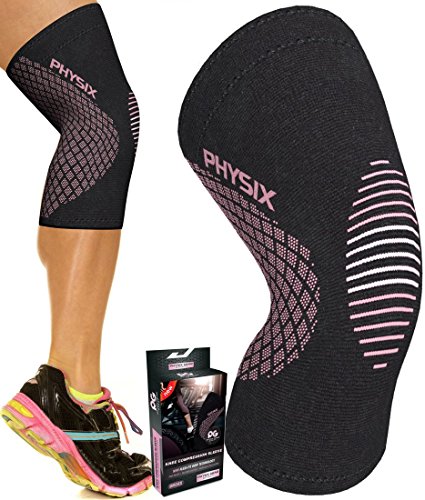
Description: Transform Your Workout Routine: this compression sleeve knee brace provides unmatched support for running, weightlifting, & daily activities. ideal for those who need compression knee sleeves brace. Empower Your Knees: our knee brace for swelling is crafted with high-quality materials to ensure long-lasting durability & comfort; excellent knee sleeves for compression that adapt to your movements, making it perfect for both men & women |
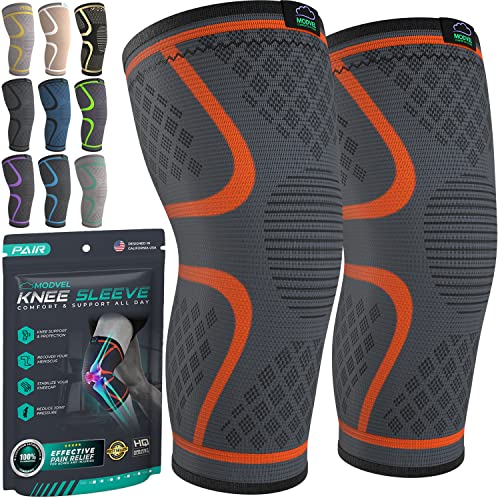
Description: No Pill & Injection Relief: Avert pain, inflammation, and sports injury with our knee braces for knee pain. It offers optimum support. Breathable & Moisture-Wicking: Designed for your active lifestyle, our knee braces for knee pain won't trap sweat! It will keep odors away and stay cool for all-day use |
Description: Knee Brace For Knee Pain Relief & Support: ComfiLife Knee Brace fits left or right knee and helps relieve pain from meniscus tears, sports injuries, tendonitis, arthritis, and more. For Working Out, Running, Weightlifting, and Sports: Whether you're running a half marathon, playing your favorite sport, or just getting through your day, our knee compression brace will help you keep your peak performance! |
|
Our Rating:
4.8
|
Our Rating:
4.4
|
Our Rating:
4.3
|
|
$14.17
|
$25.99
|
$15.95
|
Transform Your Workout Routine: this compression sleeve knee brace provides unmatched support for running, weightlifting, & daily activities. ideal for those who need compression knee sleeves brace.
Empower Your Knees: our knee brace for swelling is crafted with high-quality materials to ensure long-lasting durability & comfort; excellent knee sleeves for compression that adapt to your movements, making it perfect for both men & women
No Pill & Injection Relief: Avert pain, inflammation, and sports injury with our knee braces for knee pain. It offers optimum support.
Breathable & Moisture-Wicking: Designed for your active lifestyle, our knee braces for knee pain won't trap sweat! It will keep odors away and stay cool for all-day use
Knee Brace For Knee Pain Relief & Support: ComfiLife Knee Brace fits left or right knee and helps relieve pain from meniscus tears, sports injuries, tendonitis, arthritis, and more.
For Working Out, Running, Weightlifting, and Sports: Whether you're running a half marathon, playing your favorite sport, or just getting through your day, our knee compression brace will help you keep your peak performance!
Alternative Solutions and Complementary Approaches
While exploring whether will knee braces help with squats, it’s important to consider that braces work best as part of a comprehensive approach to knee health.
Strengthening Exercises
Quadriceps strengthening helps support the knee joint and improve patellar tracking. Exercises like leg extensions, wall sits, and step-ups are particularly beneficial.
Glute activation is crucial for proper squat mechanics. Weak glutes often lead to knee valgus (knees caving inward), which increases injury risk.
Hip mobility work can dramatically improve squat mechanics and reduce knee stress. Tight hip flexors and limited hip mobility force the knees to compensate during squats.
Movement Modifications
Box squats can help people with knee pain by providing a depth reference and allowing for better control of the movement.
Goblet squats often feel more comfortable for people with knee issues because the front-loaded weight helps maintain better posture and knee tracking.
Partial range of motion squats can be beneficial initially, gradually increasing depth as pain decreases and strength improves.
Professional Interventions
Physical therapy addresses the root causes of knee pain rather than just managing symptoms. A PT can identify movement dysfunctions and create a targeted treatment plan.
Sports massage can help address muscle tightness and imbalances that contribute to knee pain during squats.
Orthotic devices or shoe modifications might be necessary if foot mechanics are contributing to knee problems.
When to Seek Professional Help
While considering will knee braces help with squats, it’s crucial to recognize when professional medical evaluation is necessary.
Red Flags That Require Medical Attention
🚨 Severe, sharp pain during or after squatting
🚨 Knee swelling that doesn’t resolve with rest and ice
🚨 Locking or catching sensations in the knee
🚨 Instability or feeling like the knee might give out
🚨 Pain that worsens despite rest and conservative treatment
Working With Healthcare Professionals
Orthopedic specialists can diagnose structural problems and recommend appropriate treatment options, including whether specific types of knee braces would be beneficial.
Physical therapists excel at identifying movement dysfunctions and creating exercise programs to address the root causes of knee pain.
Sports medicine physicians understand the demands of athletic activities and can provide guidance on returning to squatting safely.
Long-term Considerations and Maintenance
The question will knee braces help with squats extends beyond immediate pain relief to long-term joint health and performance.
Building a Sustainable Approach
Gradual brace weaning should be the goal for many people. As strength improves and movement patterns are corrected, dependence on the brace should decrease.
Ongoing strengthening programs help maintain the gains achieved and prevent future knee problems.
Regular movement assessment ensures that compensatory patterns don’t develop over time.
Brace Care and Replacement
Proper cleaning extends brace life and prevents skin irritation. Most braces can be hand-washed with mild detergent.
Regular inspection for wear and tear ensures the brace continues to provide adequate support.
Replacement timeline varies by brace type and usage, but most compression sleeves need replacement every 6-12 months with regular use.
Conclusion
So, will knee braces help with squats? For many people dealing with knee pain, the answer is a resounding yes. Knee braces can provide valuable support, improve proprioception, and reduce pain during squatting exercises. However, they work best as part of a comprehensive approach that includes proper form, adequate warm-up, progressive strengthening, and addressing underlying movement dysfunctions.
The key is selecting the right type of brace for your specific condition and using it as a tool to facilitate proper movement rather than a permanent crutch. Whether you’re dealing with patellofemoral pain, recovering from an injury, or simply want extra support during heavy squat sessions, there’s likely a knee brace option that can help.
Your next steps should include:
- Consulting with a healthcare professional if you’re experiencing persistent knee pain
- Identifying the right type of brace for your specific needs and condition
- Focusing on proper squat form even when wearing a brace
- Implementing a comprehensive strengthening program to address underlying weaknesses
- Gradually progressing your squat training while monitoring your body’s response
Remember, knee braces can be an excellent tool for managing pain and supporting your fitness goals, but they’re most effective when combined with proper technique, adequate preparation, and a long-term approach to joint health. Don’t let knee pain keep you from the benefits of squatting – with the right support and approach, you can get back to pain-free squatting in 2026 and beyond! 💪