

Over 3 million Americans receive carpal tunnel treatment each year, making it one of the most common workplace injuries in the country. The sharp, tingling pain that shoots from your wrist up through your arm can turn simple tasks like typing an email or gripping a coffee cup into moments of discomfort. For many people dealing with this condition, finding the right arm brace for carpal tunnel becomes a crucial step toward reclaiming pain-free movement and productivity.
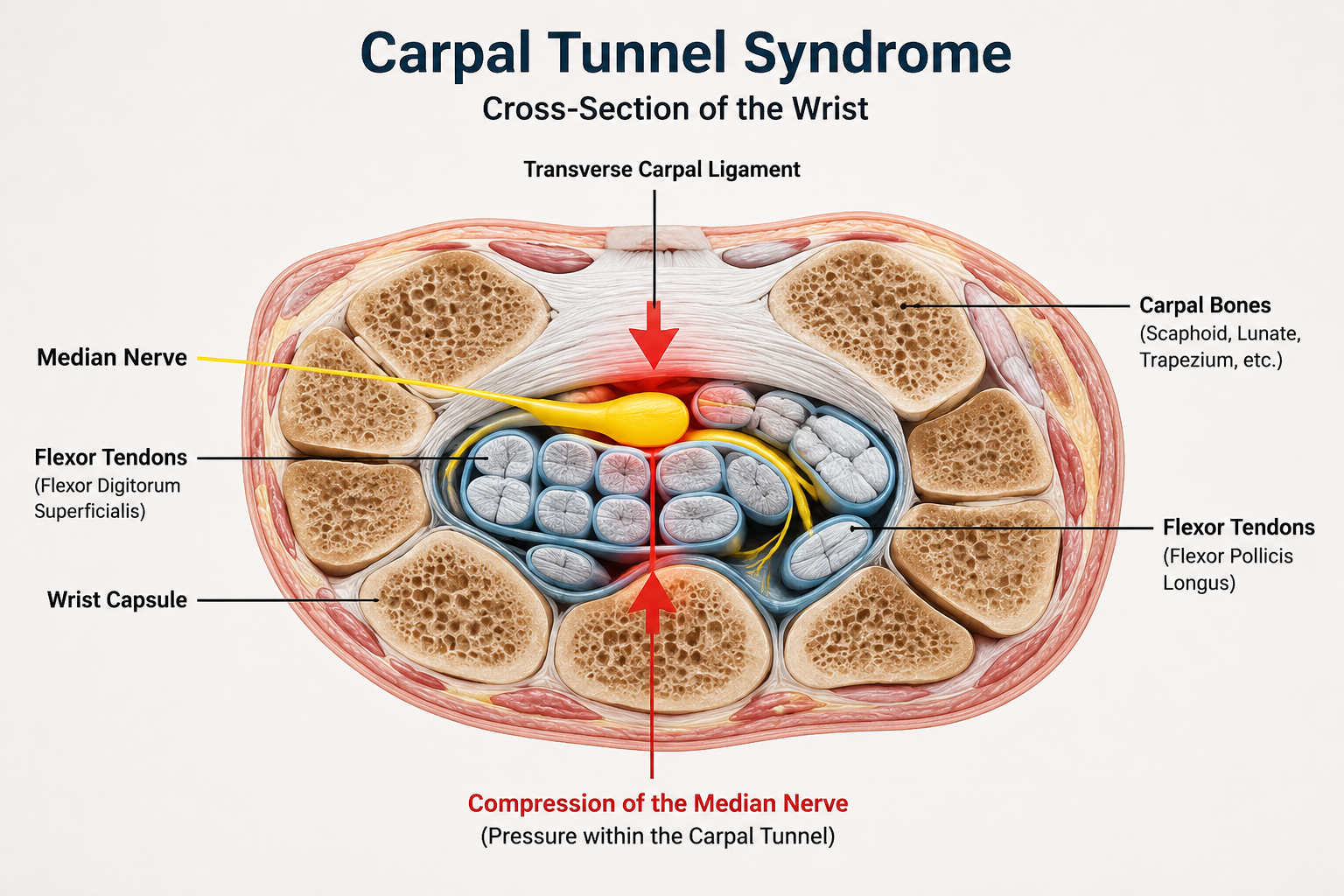
Whether the pain strikes during long work sessions, wakes you up at night, or makes daily activities challenging, understanding how an arm brace for carpal tunnel can help is essential for managing symptoms effectively. This comprehensive guide explores everything from the underlying causes of carpal tunnel syndrome to choosing and using the right supportive brace for lasting relief.
Key Takeaways
• Carpal tunnel syndrome occurs when the median nerve becomes compressed in the wrist, causing pain, numbness, and weakness that can extend up the arm
• Arm braces for carpal tunnel work by keeping the wrist in a neutral position, reducing pressure on the median nerve and preventing harmful bending
• Different brace types serve various needs – from lightweight compression sleeves for mild symptoms to rigid night braces for severe cases
• Proper positioning and fit are crucial for effectiveness – the brace should support both wrist and forearm while maintaining comfortable circulation
• Combining brace use with ergonomic improvements and regular breaks provides the best long-term symptom management
What Is Carpal Tunnel Syndrome?
Carpal tunnel syndrome develops when the median nerve becomes compressed as it passes through the carpal tunnel – a narrow passageway in the wrist formed by bones and ligaments. This compression creates a cascade of uncomfortable symptoms that can significantly impact daily life.
The median nerve controls sensation in the thumb, index finger, middle finger, and part of the ring finger. When pressure builds up in this confined space, it affects nerve function and creates the characteristic symptoms people experience.
Common Symptoms Include:
- Tingling or numbness in the thumb, index, middle, and ring fingers
- Burning or aching pain that may extend from the wrist up into the arm
- Weak grip strength making it difficult to hold objects securely
- Nighttime symptoms that often wake people from sleep
- “Pins and needles” sensation especially after repetitive activities
The condition typically develops gradually, with symptoms often appearing first during activities that involve prolonged wrist flexion or repetitive hand movements. Many people notice their symptoms worsen at night when the wrist naturally curls during sleep.
Early intervention is crucial because untreated carpal tunnel syndrome can lead to permanent nerve damage and muscle weakness. The sooner appropriate treatment begins – including the use of supportive braces – the better the chances of preventing long-term complications.
What Causes Carpal Tunnel?
Understanding the root causes of carpal tunnel syndrome helps explain why an arm brace for carpal tunnel can be so effective in managing symptoms. Multiple factors contribute to the development of this condition, often working together to create the perfect storm for nerve compression.
Primary Risk Factors:
Repetitive Hand and Wrist Motion 🔄
Activities that involve repeated flexing and extending of the wrist create inflammation and swelling within the carpal tunnel. Common culprits include:
- Extended typing and computer mouse use
- Assembly line work and manufacturing tasks
- Playing musical instruments for long periods
- Using vibrating hand tools regularly
Poor Wrist Positioning and Ergonomics 📐
Maintaining awkward wrist positions for extended periods increases pressure within the carpal tunnel:
- Typing with wrists bent upward or downward
- Working at improperly positioned workstations
- Sleeping with wrists curled under pillows
- Gripping tools with excessive force
Prolonged Pressure on the Wrist ⚡
Direct pressure on the base of the palm can compress the carpal tunnel area:
- Resting wrists on hard surfaces while typing
- Leaning on wrists during desk work
- Gripping steering wheels tightly during long drives
Underlying Medical Conditions 🏥
Certain health conditions increase the likelihood of developing carpal tunnel syndrome:
- Diabetes – affects nerve health and healing
- Thyroid disorders – can cause tissue swelling
- Rheumatoid arthritis – creates inflammation in joints and surrounding tissues
- Pregnancy – hormonal changes cause fluid retention and swelling
The interconnected nature of these causes explains why effective treatment often requires a multi-faceted approach. While addressing ergonomics and taking breaks helps prevent further irritation, using an appropriate arm brace provides immediate support and positioning to reduce ongoing nerve compression.
Can an Arm Brace Help Carpal Tunnel?
Yes, an arm brace for carpal tunnel can provide significant relief by addressing the core mechanical problem that creates symptoms. The effectiveness lies in how these braces work to reduce pressure on the compressed median nerve.
How Arm Braces Provide Relief:
Maintains Neutral Wrist Position 🎯
The most critical function of a carpal tunnel brace is keeping the wrist in a neutral alignment. When the wrist bends up (extension) or down (flexion), the space within the carpal tunnel narrows, increasing pressure on the median nerve. A properly fitted brace prevents this harmful positioning.
Reduces Pressure on the Median Nerve 💪
By maintaining optimal wrist alignment, braces help keep the carpal tunnel at its maximum width. This expanded space reduces compression on the median nerve, allowing better blood flow and nerve function.
Prevents Excessive Bending During Activities 🛡️
During repetitive tasks or sleep, people unconsciously bend their wrists into positions that worsen symptoms. An arm brace acts as a physical reminder and barrier, preventing these problematic movements.
Provides Consistent Support Throughout the Day ⏰
Unlike exercises or ergonomic adjustments that require conscious effort, a brace provides continuous support. This consistent positioning helps reduce inflammation and gives compressed nerves time to recover.
Clinical Evidence:
Research consistently shows that wrist splinting is one of the most effective non-surgical treatments for carpal tunnel syndrome. Studies indicate that 85% of people with mild to moderate symptoms experience significant improvement when using appropriate braces consistently.
The key to success lies in choosing the right type of brace and wearing it correctly. Just as different knee injuries benefit from specific types of knee braces, carpal tunnel symptoms respond best to braces designed specifically for wrist and forearm support.
For people whose symptoms stem from specific work activities, combining a carpal tunnel brace with targeted ergonomic solutions – similar to how mechanics use specialized arm braces – often provides the most comprehensive relief.

|

|

|
|
Our Rating:
4.8
|
Our Rating:
4.5
|
Our Rating:
4.4
|
|
$13.99
|
$14.95
|
$15.97
|
Types of Braces for Carpal Tunnel Support
Different types of arm braces for carpal tunnel serve various symptom levels and lifestyle needs. Understanding these options helps ensure the best match between brace features and individual requirements.
Wrist-Integrated Arm Braces
These comprehensive braces extend from the forearm down to support the wrist and sometimes the palm area. They offer the most complete support for people with moderate to severe symptoms.
Key Features:
- Full forearm coverage for maximum stability
- Rigid or semi-rigid support to maintain proper alignment
- Often include removable stays for adjustable support levels
- Ideal for people who need support during work activities
Best For: Individuals with symptoms that extend up the forearm or those whose work involves significant wrist movement.
Compression Sleeves
Lightweight and flexible, compression sleeves provide gentle support while allowing more natural movement. They work by improving circulation and providing mild positioning cues.
Key Features:
- Breathable, stretchy materials for all-day comfort
- Light compression to reduce swelling
- Minimal bulk for discretion under clothing
- Machine washable and easy to maintain
Best For: People with mild symptoms or those who need support during light activities like typing.
Wraparound Support Braces
These adjustable braces use straps or velcro closures to provide customizable support levels. They offer a balance between support and adjustability.
Key Features:
- Adjustable compression and fit
- Easy to put on and remove
- Can be modified throughout the day as needed
- Often include thumb support for additional stability
Best For: People whose symptom severity varies throughout the day or those who prefer customizable support levels.
Night Braces
Specifically designed for sleep, these braces focus on preventing the wrist curling that commonly occurs during rest. They’re often more rigid than daytime options.
Key Features:
- Rigid construction to prevent all wrist movement
- Comfortable padding for extended wear
- Low-profile design to minimize sleep disruption
- Often include palm and finger positioning
Best For: People whose symptoms worsen at night or those who wake up with numbness and tingling.
The choice between these options often depends on when symptoms are most problematic and what activities trigger discomfort. Many people find success using different types for different situations – a compression sleeve during the day and a rigid night brace for sleep.
What to Look for in the Best Arm Brace for Carpal Tunnel
Selecting an effective arm brace for carpal tunnel requires attention to specific features that directly impact comfort and therapeutic benefit. The right combination of these elements can mean the difference between significant relief and continued discomfort.
Essential Features to Prioritize:
Proper Wrist Alignment Support 🎯
The brace should maintain the wrist in a neutral position – neither bent up nor down. Look for:
- Rigid or semi-rigid stays that prevent flexion and extension
- Anatomical design that follows natural wrist contours
- Adequate length to support both wrist and lower forearm
Comfortable Fit for Extended Wear 😌
Since carpal tunnel braces often need to be worn for hours at a time, comfort is non-negotiable:
- Soft, padded interior materials that won’t irritate skin
- Smooth edges that don’t create pressure points
- Contoured design that doesn’t bunch or slide during movement
Breathable Materials 🌬️
Extended wear can lead to moisture buildup and skin irritation without proper ventilation:
- Moisture-wicking fabrics that keep skin dry
- Perforated materials or mesh panels for airflow
- Antimicrobial treatments to prevent odor buildup
Adjustable Compression ⚙️
The ability to modify support levels accommodates changing symptoms and activities:
- Multiple strap systems for customized fit
- Removable stays for variable rigidity
- Easy-to-use closures that can be adjusted single-handedly
Lightweight Design 🪶
Heavy braces can cause fatigue and discourage consistent use:
- Minimal bulk that doesn’t interfere with daily activities
- Streamlined profile that fits under clothing
- Durable construction that doesn’t sacrifice strength for weight
Quality Indicators:
| Feature | Good Quality | Poor Quality |
|---|---|---|
| Stitching | Reinforced seams, no loose threads | Visible loose stitching, fraying edges |
| Materials | Medical-grade fabrics, hypoallergenic | Cheap synthetic materials, strong odors |
| Hardware | Smooth velcro, quality buckles | Rough closures, weak attachment points |
| Stays | Removable, properly positioned | Fixed, poorly placed, or missing |
The investment in a quality brace pays dividends in both comfort and effectiveness. Just as choosing the right support is crucial for other joint issues – like selecting appropriate knee braces for pain relief – taking time to evaluate these features ensures the best outcome for carpal tunnel management.
How to Choose the Right Brace
Selecting the most effective arm brace for carpal tunnel requires matching brace characteristics to individual symptom patterns, lifestyle needs, and severity levels. A systematic approach ensures the best therapeutic outcome.
Step 1: Assess Symptom Severity
Mild Symptoms:
- Occasional tingling during or after activities
- Symptoms resolve with rest
- No significant grip weakness
- Recommendation: Compression sleeve or light support brace
Moderate Symptoms:
- Regular discomfort during daily activities
- Some nighttime symptoms
- Noticeable grip weakness
- Recommendation: Wraparound support brace with adjustable features
Severe Symptoms:
- Constant pain or numbness
- Significant functional limitations
- Muscle weakness affecting daily tasks
- Recommendation: Rigid wrist-integrated arm brace plus night brace
Step 2: Consider Usage Patterns
When Will You Wear It?
- Daytime only: Focus on comfort and discretion
- Nighttime only: Prioritize rigid support and sleep comfort
- 24-hour use: Consider having multiple braces for different situations
Activity Requirements:
Different activities demand different brace characteristics:
- Office work: Low-profile design, typing compatibility
- Manual labor: Durable construction, maximum protection
- All-day wear: Breathable materials, comfortable design for extended use
Step 3: Ensure Proper Sizing
Measurement Guidelines:
- Wrist circumference – Measure around the wrist at the widest point
- Forearm circumference – Measure 6 inches below the elbow
- Hand length – Measure from wrist crease to middle fingertip
Size Chart Reference:
| Size | Wrist (inches) | Forearm (inches) |
|---|---|---|
| Small | 5.5 – 6.5 | 8.5 – 9.5 |
| Medium | 6.5 – 7.5 | 9.5 – 10.5 |
| Large | 7.5 – 8.5 | 10.5 – 11.5 |
| X-Large | 8.5+ | 11.5+ |
Step 4: Consider Special Circumstances
Work-Specific Needs:
Certain professions benefit from specialized features:
- Writers and typists need low-profile designs
- Warehouse workers require durable, protective options
- Hairstylists benefit from flexible, movement-friendly designs
Budget Considerations:
- Entry level ($15-30): Basic compression sleeves, simple wraparound braces
- Mid-range ($30-60): Quality materials, adjustable features, better durability
- Premium ($60+): Medical-grade materials, advanced design, multiple features
The selection process mirrors choosing support for other joint issues – understanding individual needs and matching them to appropriate features leads to the best outcomes, just as it does when selecting the right knee brace.
How to Wear an Arm Brace for Carpal Tunnel
Proper application and positioning of an arm brace for carpal tunnel directly impacts its effectiveness. Even the highest-quality brace won’t provide optimal relief if worn incorrectly.
Step-by-Step Application Process
1. Prepare the Area 🧼
- Clean and dry the wrist and forearm thoroughly
- Remove any jewelry that might interfere with fit
- Check skin for irritation or open wounds
2. Position the Brace Correctly 📐
- Place the rigid support along the palm-side of the wrist
- Ensure the brace extends from mid-forearm to the base of the fingers
- The wrist should remain in a neutral position – not bent up or down
3. Secure the Straps Properly 🔒
- Start with the forearm strap, securing snugly but not tightly
- Work toward the wrist, ensuring each strap maintains proper positioning
- The thumb should move freely if the brace includes thumb support
4. Check the Fit ✅
- Fingers should have normal color and sensation
- You should be able to slide one finger under the straps
- The brace shouldn’t slide or shift during normal movement
Positioning Guidelines
Wrist Alignment: The most critical aspect is maintaining neutral wrist position. The hand should align straight with the forearm, creating a straight line from knuckles to elbow.
Forearm Support: The brace should extend at least 3-4 inches up the forearm to provide adequate leverage and support for proper wrist positioning.
Finger Freedom: Fingers should move naturally without restriction. If finger movement feels limited, readjust the brace position or strapping.
Wearing Schedule Recommendations
Initial Break-In Period:
- Start with 2-3 hours of wear to allow skin adjustment
- Gradually increase wearing time over several days
- Monitor for any pressure points or skin irritation
Optimal Wearing Times:
- During repetitive activities like typing or tool use
- At night if symptoms worsen during sleep
- During symptom flare-ups for additional support
- Preventively before activities known to trigger symptoms
Common Application Mistakes to Avoid
❌ Too Tight: Restricts circulation and can worsen symptoms
❌ Too Loose: Provides inadequate support and may slide
❌ Wrong Position: Placing the rigid support on the back of the wrist instead of the palm side
❌ Ignoring Skin Health: Not checking for irritation or pressure sores
Maintenance and Care
Daily Care:
- Remove the brace periodically to check skin condition
- Wipe down with a damp cloth after use
- Allow complete drying before reapplication
Weekly Cleaning:
- Hand wash with mild soap and cool water
- Air dry completely – avoid heat sources
- Inspect for wear or damage that might affect function
Proper brace application requires the same attention to detail as wearing other joint supports correctly. Taking time to ensure proper fit and positioning maximizes therapeutic benefits while preventing potential complications.
When to Use an Arm Brace
Timing and situational awareness play crucial roles in maximizing the benefits of an arm brace for carpal tunnel. Understanding when to wear the brace helps prevent symptom progression while maintaining daily functionality.
Primary Usage Scenarios
During Typing or Computer Work 💻
Extended keyboard and mouse use represents one of the most common carpal tunnel triggers:
- Wear the brace during long work sessions
- Apply before starting repetitive tasks
- Consider breaks every 30-45 minutes even with brace support
- Choose low-profile designs that don’t interfere with keyboard access
While Using Tools or Performing Manual Tasks 🔧
Hand tools and repetitive manual work can exacerbate symptoms:
- Apply the brace before starting work projects
- Select durable braces that can withstand work environments
- Focus on maintaining neutral wrist position during tool use
- Consider specialized occupational braces for demanding work
During Symptom Flare-ups 🚨
Active symptoms require immediate support:
- Apply the brace at the first sign of tingling or pain
- Increase wearing time during symptom episodes
- Combine brace use with rest and activity modification
- Monitor symptom progression with consistent use
At Night for Sleep Support 🌙
Nighttime symptoms often result from unconscious wrist curling during sleep:
- Use rigid night braces designed specifically for sleep
- Apply before bedtime to prevent problematic positioning
- Choose comfortable padding to minimize sleep disruption
- Consider specialized sleep braces for comprehensive support
Activity-Specific Guidelines
Office and Desk Work:
- Apply before starting the workday
- Remove during lunch breaks to check skin condition
- Reapply for afternoon work sessions
- Use ergonomic modifications alongside brace support
Physical Labor:
- Choose heavy-duty braces designed for demanding use
- Apply before shift start and during breaks
- Monitor for excessive sweating or skin irritation
- Replace braces more frequently due to wear
Recreational Activities:
- Use during hobbies that involve repetitive hand motions
- Apply preventively before known trigger activities
- Choose activity-appropriate brace styles
- Balance protection with performance needs
Timing Strategies for Maximum Benefit
Preventive Use: 🛡️
Apply the brace before activities known to trigger symptoms rather than waiting for pain to develop.
Early Intervention: ⚡
Use the brace at the first sign of symptoms to prevent progression and reduce recovery time.
Consistent Support: 📅
Maintain regular wearing schedules during symptom management phases rather than sporadic use.
Recovery Periods: 🔄
Continue brace use during healing phases even when symptoms improve to prevent re-injury.
The strategic use of carpal tunnel braces mirrors effective approaches to other joint support – just as knee braces work best when used appropriately for specific activities, carpal tunnel braces provide maximum benefit when applied thoughtfully based on individual symptom patterns and activity demands.
Additional Ways to Manage Carpal Tunnel Symptoms
While an arm brace for carpal tunnel provides crucial support, comprehensive symptom management requires a multi-faceted approach. Combining brace use with other proven strategies creates the most effective long-term relief.
Ergonomic Improvements 🖥️
Workstation Setup:
- Keyboard position: Keep wrists straight and hands at or slightly below elbow level
- Mouse placement: Position close to keyboard to minimize reaching
- Monitor height: Top of screen at or slightly below eye level to prevent neck strain
- Chair support: Ensure proper back support and armrest positioning
Essential Equipment:
- Ergonomic keyboards with split or curved designs
- Vertical or trackball mice to reduce wrist movement
- Wrist rests that support the palm, not the wrist itself
- Document holders to minimize neck turning
Regular Break Strategies ⏰
The 20-20-20 Rule:
Every 20 minutes, take a 20-second break and focus on something 20 feet away. This simple practice reduces eye strain and provides natural movement breaks.
Micro-breaks for Hands:
- Every 15 minutes: Flex and extend fingers 5-10 times
- Every 30 minutes: Rotate wrists gently in both directions
- Every hour: Stand, stretch, and shake out hands and arms
Targeted Stretching Exercises 🤸♀️
Wrist Flexor Stretch:
- Extend arm forward with palm up
- Use other hand to gently pull fingers back toward body
- Hold 15-30 seconds, repeat 2-3 times each hand
Wrist Extensor Stretch:
- Extend arm forward with palm down
- Use other hand to gently push hand downward
- Hold 15-30 seconds, repeat 2-3 times each hand
Tendon Glides:
- Start with fingers straight and together
- Bend fingers at middle joints (hook position)
- Make a full fist
- Return to straight position
- Repeat 5-10 times several times daily
Lifestyle Modifications 🏠
Sleep Position Adjustments:
- Avoid sleeping on hands or with wrists curled
- Use a night brace to maintain neutral positioning
- Consider wrist-friendly pillow arrangements
Daily Activity Modifications:
- Use larger grips on tools and utensils
- Alternate hands when possible during repetitive tasks
- Reduce grip force – many people grip objects much tighter than necessary
- Take advantage of voice-to-text technology to reduce typing
Anti-Inflammatory Approaches 🌿
Natural Methods:
- Apply ice packs for 15-20 minutes during acute flare-ups
- Use heat therapy for chronic stiffness (avoid during acute inflammation)
- Consider anti-inflammatory foods like fatty fish, leafy greens, and berries
Stress Management:
Chronic stress can increase inflammation and muscle tension:
- Practice relaxation techniques like deep breathing
- Maintain regular sleep schedules
- Consider stress-reduction activities like yoga or meditation
Professional Support Options 💼
Physical Therapy:
Professional guidance can provide:
- Customized exercise programs
- Manual therapy techniques
- Ergonomic assessments and recommendations
- Progressive strengthening protocols
Occupational Therapy:
Specialists can help with:
- Workplace modifications
- Adaptive equipment recommendations
- Task analysis and modification strategies
- Return-to-work planning
The combination of supportive bracing with these complementary strategies mirrors successful approaches to other joint conditions. Just as comprehensive knee pain management involves multiple treatment modalities, carpal tunnel syndrome responds best to integrated care approaches that address both symptoms and underlying causes.
Common Mistakes to Avoid
Even with the best intentions, people often make errors when using an arm brace for carpal tunnel that can reduce effectiveness or potentially worsen symptoms. Understanding these pitfalls helps ensure optimal results.
Fitting and Application Errors
Wearing the Brace Too Tightly ⚠️
The Problem: Excessive tightness restricts blood circulation and can actually increase pressure within the carpal tunnel.
Signs of Over-Tightening:
- Fingers turn pale or blue
- Increased numbness or tingling
- Visible indentations from straps
- Swelling above or below the brace
The Solution: The brace should feel snug and supportive but allow normal circulation. You should be able to slide one finger under the straps comfortably.
Choosing the Wrong Type of Support 🎯
The Problem: Mismatching brace type to symptom severity or activity needs leads to inadequate relief or unnecessary restriction.
Common Mismatches:
- Using a compression sleeve for severe symptoms requiring rigid support
- Wearing a rigid brace during activities requiring wrist flexibility
- Selecting a night brace for daytime activities
The Solution: Match brace characteristics to specific needs, considering symptom severity, timing, and activity requirements.
Usage Pattern Mistakes
Ignoring Early Symptoms 🚨
The Problem: Waiting until symptoms become severe before using a brace allows nerve damage to progress and makes treatment more difficult.
Early Warning Signs Often Ignored:
- Occasional tingling after repetitive activities
- Mild morning stiffness
- Intermittent grip weakness
- Slight numbness that resolves with movement
The Solution: Begin using appropriate support at the first sign of symptoms. Early intervention prevents progression and promotes faster recovery.
Inconsistent Use 📅
The Problem: Sporadic brace use doesn’t provide the consistent support needed for nerve healing and symptom resolution.
Common Inconsistency Patterns:
- Only wearing during severe symptom episodes
- Forgetting to use during trigger activities
- Discontinuing use when symptoms improve
- Irregular nighttime use
The Solution: Develop a consistent wearing schedule based on symptom patterns and maintain it even during improvement phases.
Dependency and Expectation Errors
Relying Only on a Brace Without Improving Habits 🔄
The Problem: Using a brace as the sole treatment while continuing harmful activities limits long-term success.
Incomplete Approaches:
- Continuing poor ergonomic practices
- Ignoring the need for regular breaks
- Avoiding necessary lifestyle modifications
- Skipping strengthening and stretching exercises
The Solution: Use the brace as part of a comprehensive approach that includes ergonomic improvements, exercise, and activity modifications.
Unrealistic Timeline Expectations ⏰
The Problem: Expecting immediate complete relief can lead to premature discontinuation of effective treatment.
Realistic Timeline:
- Initial relief: May occur within days to weeks
- Significant improvement: Typically requires 6-12 weeks of consistent use
- Maximum benefit: May take 3-6 months with comprehensive treatment
Maintenance and Care Oversights
Neglecting Brace Hygiene 🧼
The Problem: Poor cleaning leads to skin irritation, odor, and potential infections.
Proper Care Routine:
- Daily wiping with damp cloth
- Weekly thorough cleaning with mild soap
- Complete air drying before reuse
- Regular inspection for wear or damage
Ignoring Skin Health 🩹
The Problem: Failing to monitor skin condition can lead to pressure sores, rashes, or allergic reactions.
Prevention Strategies:
- Daily skin inspection during brace removal
- Immediate attention to any red marks or irritation
- Gradual break-in periods for new braces
- Using barrier creams if recommended by healthcare providers
When Professional Help is Needed
Some situations require immediate professional attention rather than continued self-management:
- Worsening symptoms despite consistent brace use and activity modifications
- Severe muscle weakness affecting daily function
- Constant numbness that doesn’t improve with rest
- Skin problems from brace use that don’t resolve quickly
Avoiding these common mistakes increases the likelihood of successful symptom management. The same attention to proper use that applies to other joint supports ensures maximum benefit from carpal tunnel treatment approaches.
When to Seek Medical Advice
While an arm brace for carpal tunnel can provide significant relief for many people, certain situations require professional medical evaluation and treatment. Recognizing these warning signs ensures appropriate care and prevents potential complications.
Red Flag Symptoms Requiring Immediate Attention 🚨
Severe or Progressive Muscle Weakness
- Difficulty gripping objects securely
- Dropping items unexpectedly
- Inability to pinch thumb and index finger together
- Visible muscle wasting at the base of the thumb
Constant Numbness or Loss of Sensation
- Persistent numbness that doesn’t improve with rest
- Complete loss of feeling in affected fingers
- Inability to distinguish between hot and cold
- Loss of fine motor control for detailed tasks
Symptoms Affecting Daily Function
- Difficulty performing work tasks despite accommodations
- Problems with basic self-care activities
- Sleep disruption that doesn’t improve with night bracing
- Progressive worsening despite conservative treatment
Timeline Indicators for Professional Consultation ⏰
Immediate Consultation Needed:
- Sudden onset of severe symptoms
- Complete loss of hand function
- Signs of infection around brace area
- Severe pain that interferes with sleep
Within 1-2 Weeks:
- New or worsening symptoms despite brace use
- Symptoms spreading to previously unaffected areas
- Skin reactions or persistent irritation from brace use
- Concerns about proper brace selection or fitting
Within 4-6 Weeks:
- No improvement with consistent conservative treatment
- Symptoms that interfere with work or daily activities
- Questions about treatment progression or alternatives
- Need for workplace accommodation guidance
What to Expect During Medical Evaluation 🏥
Initial Assessment:
- Detailed symptom history and progression timeline
- Physical examination of hand, wrist, and arm function
- Evaluation of current treatment effectiveness
- Discussion of work and activity patterns
Diagnostic Testing May Include:
- Nerve conduction studies to measure electrical activity
- Electromyography (EMG) to assess muscle function
- Ultrasound to visualize soft tissue structures
- MRI if other conditions are suspected
Treatment Options Healthcare Providers May Recommend:
- Prescription anti-inflammatory medications
- Corticosteroid injections for severe inflammation
- Physical or occupational therapy referrals
- Surgical consultation for severe cases
Questions to Prepare for Your Appointment 📝
Symptom Documentation:
- When did symptoms first appear?
- What activities make symptoms better or worse?
- How do symptoms affect sleep and daily activities?
- What treatments have you tried and their effectiveness?
Work and Activity Assessment:
- Detailed description of job tasks and ergonomics
- Frequency and duration of repetitive activities
- Previous injuries or medical conditions
- Current medications and supplements
Professional Treatment Options Beyond Bracing 💊
Non-Surgical Interventions:
- Prescription medications for inflammation and nerve pain
- Professional splinting with custom-fitted devices
- Injection therapy to reduce inflammation and pressure
- Specialized therapy programs for strengthening and mobility
Surgical Considerations:
When conservative treatments fail to provide adequate relief, surgical options may be discussed:
- Carpal tunnel release to reduce pressure on the median nerve
- Minimally invasive techniques with shorter recovery times
- Post-surgical rehabilitation to optimize outcomes
Maintaining Treatment Partnerships 🤝
Follow-up Care:
Regular monitoring ensures treatment effectiveness and allows for adjustments as needed. This includes:
- Symptom tracking and improvement documentation
- Brace effectiveness evaluation and modifications
- Work accommodation assessments
- Prevention strategy development
Long-term Management:
Even after successful treatment, ongoing attention to ergonomics and prevention helps maintain results and prevent recurrence.
The decision to seek professional help mirrors the approach needed for other joint conditions – early intervention and appropriate medical guidance lead to better outcomes, just as they do with complex knee problems requiring professional assessment.
Frequently Asked Questions
Do arm braces help carpal tunnel?
Yes, arm braces for carpal tunnel are highly effective for most people with mild to moderate symptoms. Clinical studies show that approximately 85% of individuals experience significant symptom improvement when using appropriate braces consistently. The key is selecting the right type of brace and wearing it correctly to maintain neutral wrist positioning and reduce pressure on the median nerve.
Should you wear a brace all day or only at night?
The optimal wearing schedule depends on your specific symptom pattern:
All-day wear is recommended for:
- People with symptoms during daily activities
- Those whose work involves repetitive hand motions
- Individuals with moderate to severe symptoms
Night-only wear may be sufficient for:
- People whose symptoms primarily occur during sleep
- Those with mild symptoms that worsen with wrist curling
- Individuals who experience morning stiffness and numbness
Many people benefit from a combination approach – using a lighter, more flexible brace during the day and a rigid night brace for sleep.
What type of brace is best for carpal tunnel?
The best brace type depends on symptom severity and lifestyle needs:
| Symptom Level | Recommended Brace Type | Key Features |
|---|---|---|
| Mild | Compression sleeve | Light support, breathable, discrete |
| Moderate | Wraparound support brace | Adjustable, moderate rigidity, versatile |
| Severe | Rigid wrist-integrated brace | Maximum support, prevents all movement |
| Night symptoms | Specialized night brace | Rigid, comfortable padding, sleep-friendly |
Consider your primary activities and when symptoms are most problematic when making your selection.
How long does it take for symptoms to improve?
Improvement timelines vary based on symptom severity and consistency of treatment:
Initial relief: Many people notice some improvement within the first few days to weeks of consistent brace use.
Significant improvement: Substantial symptom reduction typically occurs after 6-12 weeks of proper brace use combined with ergonomic improvements.
Maximum benefit: Full recovery may take 3-6 months, especially for severe cases or when nerve compression has been present for extended periods.
Factors affecting timeline:
- Severity of nerve compression
- Duration of symptoms before treatment
- Consistency of brace use
- Implementation of ergonomic improvements
- Overall health and healing capacity
Can I type while wearing a carpal tunnel brace?
Yes, many braces are designed specifically to allow typing and computer work. Look for features like:
- Low-profile design that doesn’t interfere with keyboard access
- Finger mobility that allows natural typing motion
- Thumb freedom for space bar and mouse use
- Comfortable palm support that doesn’t catch on surfaces
Some people find that specialized braces for typing work better than general-purpose options for extended computer work.
Is it normal for the brace to feel uncomfortable at first?
Some initial adjustment is normal, but significant discomfort indicates a problem:
Normal adjustment sensations:
- Mild awareness of the brace presence
- Slight restriction of movement
- Need to modify typing or gripping technique
- Minor skin sensitivity that resolves within a few days
Concerning symptoms requiring adjustment:
- Pain or increased numbness
- Skin irritation or pressure sores
- Circulation problems (pale or blue fingers)
- Severe restriction that prevents necessary activities
Start with shorter wearing periods and gradually increase duration to allow proper adjustment.
Can I sleep with my carpal tunnel brace on?
Yes, nighttime wear is often crucial for carpal tunnel management since many people unconsciously curl their wrists during sleep, worsening symptoms. However:
Use a brace designed for sleep:
- Rigid enough to prevent wrist curling
- Comfortable padding for extended wear
- Low-profile design to minimize sleep disruption
Sleep brace tips:
- Apply the brace as part of your bedtime routine
- Ensure proper fit to prevent sliding during sleep
- Use breathable materials to prevent overheating
- Consider specialized sleep braces for optimal comfort
When should I replace my carpal tunnel brace?
Replace your brace when:
- Structural integrity fails: Broken stays, torn straps, or worn closures
- Hygiene concerns: Persistent odors or stains that don’t resolve with cleaning
- Fit changes: Weight loss/gain or swelling changes that affect proper fit
- Wear patterns: Visible wear that affects function or comfort
- Symptom changes: Need for different support level as condition improves or worsens
Quality braces typically last 6-12 months with regular use, though this varies based on activity level and care practices.
Conclusion
Managing carpal tunnel syndrome effectively requires a comprehensive approach that combines the right supportive equipment with smart lifestyle modifications. An arm brace for carpal tunnel serves as a cornerstone of conservative treatment, providing the consistent wrist positioning and nerve decompression needed for symptom relief and healing.
The key to success lies in understanding that not all braces work the same for everyone. Matching brace characteristics to individual symptom patterns, activity needs, and severity levels ensures optimal outcomes. Whether dealing with mild tingling during computer work or severe nighttime symptoms that disrupt sleep, the right combination of brace type, proper fitting, and consistent use can provide significant relief.
Remember that while an arm brace provides crucial support, the best long-term results come from addressing the underlying causes of nerve compression. This means combining brace use with ergonomic improvements, regular breaks, targeted exercises, and activity modifications. Just as comprehensive approaches work best for other joint conditions, carpal tunnel syndrome responds most favorably to integrated treatment strategies.
Take Action Today:
✅ Assess your symptoms honestly and choose an appropriate brace type for your needs
✅ Implement ergonomic improvements at your workstation and in daily activities
✅ Establish consistent wearing schedules based on your symptom patterns
✅ Monitor your progress and adjust treatment approaches as needed
✅ Seek professional guidance if symptoms persist or worsen despite conservative treatment
Early intervention and consistent treatment provide the best opportunity for full recovery and prevention of long-term complications. Don’t let carpal tunnel syndrome limit your daily activities or quality of life when effective solutions are readily available.