

Every year, over 6 million Americans suffer bone fractures, with arm fractures accounting for nearly 1.5 million of these injuries. While proper medical treatment remains the cornerstone of fracture healing, many patients discover that an Arm Brace for Fracture Recovery can provide valuable support during the rehabilitation phase, helping them regain confidence and protect their healing limb as they return to daily activities.
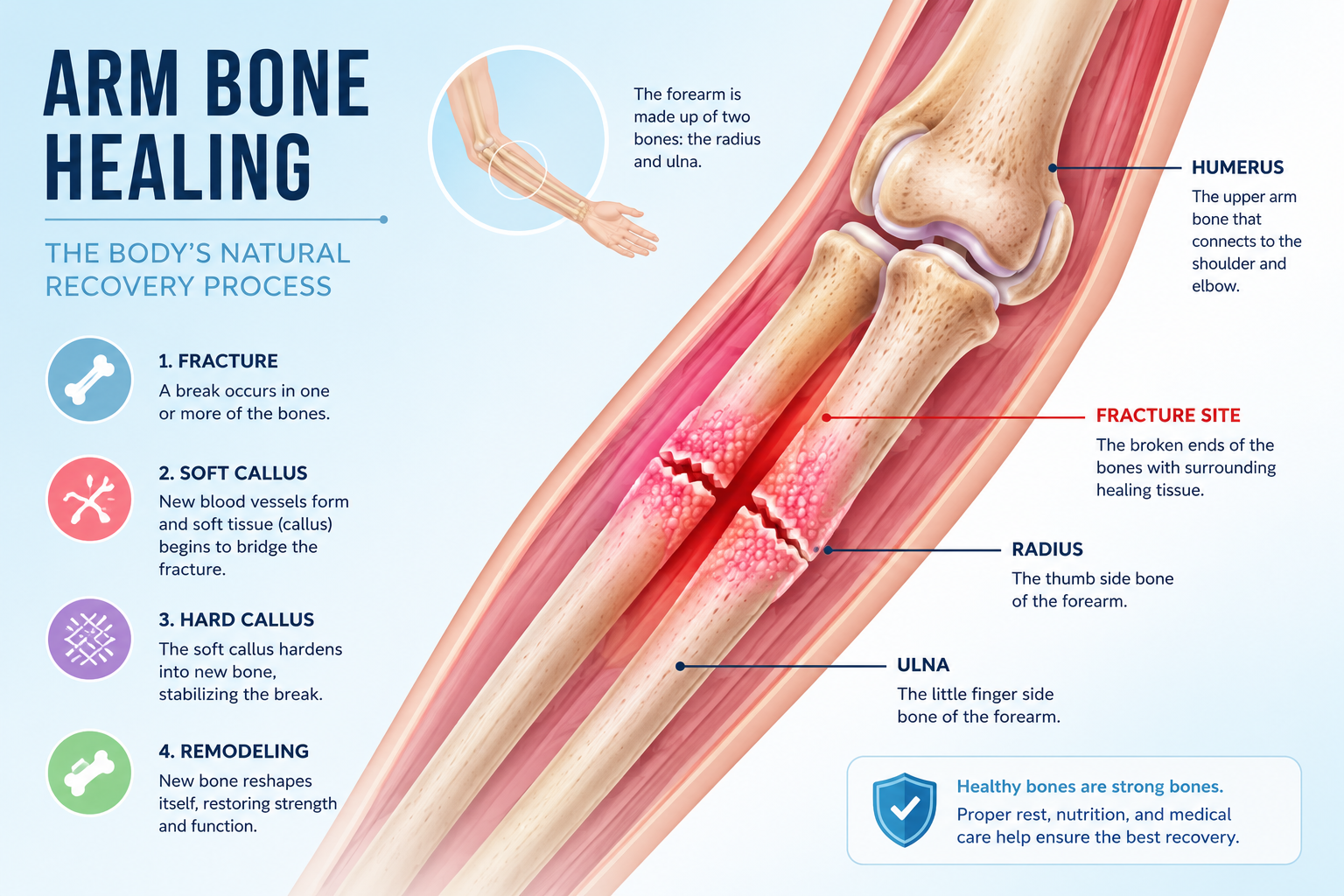
An Arm Brace for Fracture Recovery serves as a bridge between the rigid immobilization of a cast and the complete freedom of an unprotected limb. However, timing and proper selection are crucial, using the wrong brace at the wrong stage can actually hinder healing or cause additional injury.
Key Takeaways
• Medical approval is essential before using any arm brace during fracture recovery
• Different recovery stages require different levels of support and brace types
• Proper fit and positioning are critical to avoid circulation problems or skin irritation
• Braces complement, never replace prescribed medical treatments like casts or surgery
• Gradual progression from rigid support to flexible bracing helps restore function safely
Understanding Arm Fractures and Their Impact
An arm fracture occurs when one or more bones in the arm break due to trauma, overuse, or underlying bone weakness. The arm contains three main bones: the humerus (upper arm), radius, and ulna (forearm bones). Each type of fracture presents unique challenges during recovery.
Common Types of Arm Fractures
Forearm fractures are among the most frequent, often resulting from falls where people instinctively extend their arms. These breaks can involve one or both forearm bones and may require surgical intervention if the bones are displaced.
Elbow fractures typically affect the joint where the humerus meets the radius and ulna. These injuries are particularly concerning because they can impact long-term mobility if not properly managed.
Wrist-related fractures, while technically involving the hand’s connection to the forearm, often extend into the lower radius bone and require careful monitoring during healing.
Recognizing Fracture Symptoms
Typical symptoms include immediate pain, swelling, visible deformity, inability to move the arm normally, and sometimes numbness or tingling. Severe pain that worsens or loss of circulation requires immediate medical attention.
Modern diagnosis relies on X-rays, CT scans, or MRI imaging to determine the exact location, severity, and treatment approach. Treatment may involve casting, splinting, or surgical repair with plates, screws, or rods.
|

|

|
|
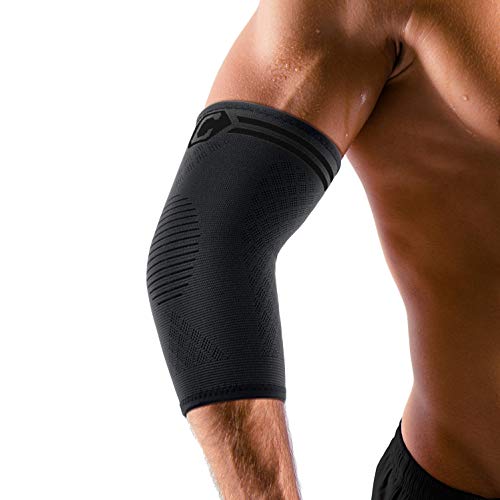
Description: TARGETED PAIN RELIEF & BOOSTED RECOVERY - Engineered with graduated compression, our elbow sleeves apply targeted support to key joint areas to help relieve discomfort associated with tennis elbow, tendonitis, and arthritis. |
Description: GOOD PERFORMANCE - The elbow brace applies even pressure to the elbow joint and elbow muscles, which can relieve tennis elbow, tendonitis, joint inflammation, golfer's elbow and other elbow pains, etc. |
Description: Our elbow brace is great for treating tendonitis, arthritis, sprained bones, strained ligaments, cubital Tunnel,ulnar nerve. Provides optimal support and compression to the elbow joint, reducing pain and preventing further injury during activities |
|
Our Rating:
4.8
|
Our Rating:
4.5
|
Our Rating:
4.4
|
|
$9.99
|
$9.99
|
$7.97
|
TARGETED PAIN RELIEF & BOOSTED RECOVERY - Engineered with graduated compression, our elbow sleeves apply targeted support to key joint areas to help relieve discomfort associated with tennis elbow, tendonitis, and arthritis.
GOOD PERFORMANCE - The elbow brace applies even pressure to the elbow joint and elbow muscles, which can relieve tennis elbow, tendonitis, joint inflammation, golfer's elbow and other elbow pains, etc.
Our elbow brace is great for treating tendonitis, arthritis, sprained bones, strained ligaments, cubital Tunnel,ulnar nerve. Provides optimal support and compression to the elbow joint, reducing pain and preventing further injury during activities
Stages of Fracture Recovery: When Bracing Becomes Relevant
Understanding recovery phases helps determine when an Arm Brace for Fracture Recovery might be appropriate. Each stage has specific goals and requirements.
Initial Treatment Phase (Weeks 1-6)
During this critical period, the fracture site requires complete immobilization through casting, splinting, or surgical fixation. Arm braces are not appropriate during this phase, as they cannot provide the rigid support necessary for proper bone healing.
Early Healing Phase (Weeks 6-12)
As bone callus formation begins, healthcare providers may transition patients from rigid casts to removable splints or, in some cases, supportive braces. This phase focuses on protecting the healing bone while allowing gentle movement as directed by medical professionals.
Rehabilitation Phase (Weeks 12+)
This is where an Arm Brace for Fracture Recovery becomes most valuable. As patients begin physical therapy and gradually return to activities, a properly selected brace can provide confidence and protection without completely restricting movement.
Strength Recovery Phase (Months 3-6)
During final recovery stages, lighter braces may help patients feel secure while rebuilding strength and coordination. The goal shifts from protection to functional support during daily activities.
Important: Never self-determine when to transition between recovery phases. Always follow your healthcare provider’s timeline and recommendations.
Can an Arm Brace Help During Fracture Recovery?
An Arm Brace for Fracture Recovery can provide significant benefits when used appropriately during the rehabilitation phase. However, understanding when and how to use these devices is crucial for safe recovery.
When Braces May Be Appropriate
Healthcare providers typically recommend arm braces during the transition from cast to normal activity. This usually occurs after initial bone healing is confirmed through X-rays, typically 6-12 weeks post-fracture depending on the injury’s severity and location.
Braces become particularly valuable when patients begin physical therapy exercises or start returning to work activities that involve arm movement. The psychological benefit of feeling supported often helps patients engage more confidently in their rehabilitation program.
Benefits During Rehabilitation
Protection during daily activities represents one of the primary advantages. Simple tasks like getting dressed, cooking, or light household work can feel overwhelming after weeks of immobilization. A supportive brace provides reassurance while allowing necessary movement.
Improved confidence during the recovery process cannot be understated. Many patients report feeling anxious about re-injuring their arm. A well-fitted brace can reduce this anxiety, encouraging more active participation in recovery activities.
Graduated support allows for progressive loading of the healing bone and surrounding tissues. As strength returns, patients can adjust brace tightness or transition to lighter support options.
Critical Limitations
Arm braces cannot replace prescribed medical treatments. They should never be used instead of casts, splints, or surgical interventions during the initial healing phase. Additionally, braces cannot prevent re-injury if patients return to high-risk activities too early.
Improper use can cause harm. Wearing a brace too tightly can restrict circulation, while insufficient support may provide false confidence leading to overexertion.
Similar to how knee braces require proper selection and fitting, arm braces must be carefully matched to the individual’s specific needs and recovery stage.
Types of Arm Braces Used During Recovery
Selecting the right Arm Brace for Fracture Recovery depends on your recovery stage, fracture location, and activity level. Each brace type offers different benefits and limitations.
Soft Compression Braces
These lightweight, sleeve-style braces provide gentle compression and warmth to the healing area. Made from breathable materials like neoprene or elastic fabric, they’re ideal for late-stage recovery when minimal support is needed.
Benefits include improved circulation, reduced swelling, and comfortable all-day wear. They’re particularly useful for patients returning to desk work or light activities.
Limitations: Soft braces offer minimal structural support and aren’t appropriate for protecting against significant impacts or heavy lifting.
Wraparound Support Braces
Featuring adjustable velcro straps, these braces allow customizable compression and support levels. They’re easier to put on than pull-over styles, making them ideal for patients with limited mobility in their recovering arm.
The adjustability makes them particularly valuable during the transition phase when swelling may fluctuate and support needs change as healing progresses.
Hinged or Stabilizing Braces
These more substantial braces include rigid elements like metal or plastic stays that limit specific movements while allowing others. They’re typically used when healthcare providers want to prevent certain motions that could stress the healing fracture site.
Common applications include elbow fractures where flexion and extension need controlled limitation, or forearm fractures requiring rotational movement restriction.
Functional Support Braces
Designed for active individuals returning to work or sports, these braces balance protection with mobility. They often feature moisture-wicking materials and low-profile designs that fit under clothing.
These braces are appropriate only after medical clearance and typically during the final stages of recovery when patients are rebuilding strength and coordination.
Just as different knee injuries require specific brace types, arm fractures benefit from carefully matched support options based on the injury’s nature and healing progress.
What to Look for in an Arm Brace for Fracture Recovery
Selecting an effective Arm Brace for Fracture Recovery requires attention to several critical factors that impact both safety and comfort during the healing process.
Proper Support Level
The brace should provide appropriate support for your recovery stage. Early rehabilitation may require firmer support with some movement restriction, while later stages benefit from lighter, more flexible options that encourage natural movement patterns.
Avoid over-supporting the arm once healing progresses, as this can lead to muscle weakness and joint stiffness. Conversely, insufficient support during early stages may risk re-injury.
Comfort for Extended Wear
Since recovery braces are often worn for several hours daily, comfort becomes crucial. Look for padded contact points, smooth seams, and materials that won’t irritate skin during extended use.
Breathable fabrics help prevent moisture buildup and skin problems, especially important for patients who may have sensitive skin following cast removal.
Adjustability Features
Multiple adjustment points allow fine-tuning of support and compression as healing progresses and swelling changes. Quality braces feature durable velcro or strap systems that maintain their holding power over time.
Easy adjustment also enables patients to modify support levels throughout the day based on activity demands and comfort needs.
Size and Fit Considerations
Proper sizing prevents circulation problems and ensures effective support. Measure your arm according to manufacturer guidelines, typically including circumference measurements at multiple points along the arm.
When in doubt, consult healthcare providers or medical supply professionals who can assist with proper fitting and selection.
Material Quality and Durability
Recovery periods can last several months, making durability essential. High-quality materials resist wear, maintain their shape, and continue providing consistent support throughout the recovery process.
Easy cleaning capability is also important, as braces worn regularly need frequent washing to maintain hygiene.
Similar to choosing the right knee brace size, proper arm brace selection requires careful attention to measurements and individual needs.
How to Choose the Right Arm Brace
Making the right choice for an Arm Brace for Fracture Recovery involves several key considerations that ensure both safety and effectiveness during your healing journey.
Follow Healthcare Provider Recommendations
Never select a brace without medical guidance. Your healthcare provider understands your specific fracture pattern, healing progress, and individual risk factors. They can recommend appropriate brace types and specify when to begin using supportive devices.
Some fractures require specific movement restrictions that only certain brace designs can provide. Self-selection risks choosing inappropriate support that could interfere with healing or cause additional injury.
Match the Brace to Recovery Stage
Early rehabilitation typically requires more substantial support with controlled movement allowance. As healing progresses, lighter braces that encourage natural movement become more appropriate.
Consider your timeline: If you’re 8 weeks post-fracture and cleared for gentle movement, a moderate support brace may be ideal. At 16 weeks with good healing, a lighter compression-style brace might suffice.
Assess Your Activity Needs
Desk workers may benefit from comfortable, low-profile braces that provide reassurance without interfering with keyboard use or paperwork. Physical laborers returning to work might need more substantial protection against impacts and overexertion.
Consider your daily routine: Do you need something easily removable for therapy exercises? Will you be wearing it under clothing? These factors influence the best brace style for your situation.
Ensure Proper Sizing and Fit
Accurate measurements are crucial. Most braces require circumference measurements at specific points along the arm. Take measurements when swelling is at its typical daily level, usually mid-morning.
Try before committing when possible. Many medical supply stores allow fitting consultations, and some offer return policies if the brace doesn’t work as expected.
Budget and Insurance Considerations
Check insurance coverage before purchasing. Many insurance plans cover medically necessary braces when prescribed by healthcare providers. Obtain proper documentation to ensure reimbursement eligibility.
Quality braces represent an investment in recovery, but the most expensive option isn’t always the best choice for your specific needs.
Understanding how to properly wear supportive devices applies to arm braces as well, emphasizing the importance of correct application and positioning.
|
|
|
|
|
Description: TARGETED PAIN RELIEF & BOOSTED RECOVERY - Engineered with graduated compression, our elbow sleeves apply targeted support to key joint areas to help relieve discomfort associated with tennis elbow, tendonitis, and arthritis. |
Description: GOOD PERFORMANCE - The elbow brace applies even pressure to the elbow joint and elbow muscles, which can relieve tennis elbow, tendonitis, joint inflammation, golfer's elbow and other elbow pains, etc. |
Description: Our elbow brace is great for treating tendonitis, arthritis, sprained bones, strained ligaments, cubital Tunnel,ulnar nerve. Provides optimal support and compression to the elbow joint, reducing pain and preventing further injury during activities |
|
Our Rating:
4.8
|
Our Rating:
4.5
|
Our Rating:
4.4
|
|
$9.99
|
$9.99
|
$7.97
|
TARGETED PAIN RELIEF & BOOSTED RECOVERY - Engineered with graduated compression, our elbow sleeves apply targeted support to key joint areas to help relieve discomfort associated with tennis elbow, tendonitis, and arthritis.
GOOD PERFORMANCE - The elbow brace applies even pressure to the elbow joint and elbow muscles, which can relieve tennis elbow, tendonitis, joint inflammation, golfer's elbow and other elbow pains, etc.
Our elbow brace is great for treating tendonitis, arthritis, sprained bones, strained ligaments, cubital Tunnel,ulnar nerve. Provides optimal support and compression to the elbow joint, reducing pain and preventing further injury during activities
How to Wear an Arm Brace Safely
Proper application and wear of an Arm Brace for Fracture Recovery is essential for both safety and effectiveness. Incorrect use can cause circulation problems, skin irritation, or inadequate support.
Proper Positioning Techniques
Start with clean, dry skin to prevent irritation and ensure the brace adheres properly. If your healthcare provider recommends wearing the brace over clothing, choose thin, smooth fabrics that won’t bunch or create pressure points.
Position the brace according to manufacturer instructions, ensuring any rigid elements align with your arm’s natural anatomy. Hinged braces must have their pivot points aligned with your elbow joint for proper function.
Check alignment regularly, especially during the first few days of use. Muscle memory and habit formation help ensure consistent, correct application over time.
Achieving the Right Fit
The brace should feel snug but not tight. You should be able to slide one finger under the straps comfortably. Too loose provides insufficient support, while too tight can restrict circulation and cause numbness or tingling.
Monitor for pressure points during initial wear periods. Red marks that don’t fade within 15 minutes after removal indicate excessive pressure requiring adjustment.
Circulation Safety Checks
Perform regular circulation checks, especially during the first week of use. Check fingertip color, temperature, and sensation every few hours initially.
Warning signs include persistent numbness, tingling, color changes (blue or white fingertips), or increased swelling below the brace. Remove the brace immediately and contact your healthcare provider if these symptoms occur.
Skin Health Monitoring
Inspect skin daily for signs of irritation, pressure sores, or rashes. Pay particular attention to areas where straps or rigid elements contact skin.
Rotate wearing schedules if recommended by your healthcare provider. Some recovery protocols involve wearing braces only during activities or for specific time periods rather than continuously.
When to Remove the Brace
Follow prescribed wearing schedules carefully. Some patients need continuous support, while others should remove braces for exercises, sleep, or skin care.
Never exceed recommended wearing times without medical approval. Overuse can lead to muscle weakness or joint stiffness that impedes recovery.
Just as proper knee brace application requires attention to detail, arm braces demand careful attention to positioning and fit for optimal results.
Tips for a Successful Recovery
Maximizing the benefits of an Arm Brace for Fracture Recovery requires a comprehensive approach that extends beyond simply wearing the device. Success depends on following medical guidance while actively participating in your healing process.
Maintain All Medical Appointments
Regular follow-up visits allow healthcare providers to monitor healing progress and adjust treatment plans accordingly. X-rays can reveal how well bones are mending and whether it’s safe to progress to lighter support or increased activity.
Don’t skip appointments even if you feel good. Fracture healing occurs internally and may not reflect how you feel externally. Professional monitoring prevents complications and ensures optimal outcomes.
Complete Prescribed Physical Therapy
Physical therapy exercises are designed to restore strength, flexibility, and coordination safely. An Arm Brace for Fracture Recovery can provide confidence during these sessions, allowing you to participate more fully in rehabilitation activities.
Consistency matters more than intensity. Regular, gentle exercises as prescribed typically produce better outcomes than sporadic intense sessions.
Progress Activity Levels Gradually
Avoid the temptation to rush back to normal activities. Bone healing continues for months after fractures, and premature return to heavy lifting or high-impact activities can cause re-injury.
Listen to your body’s signals. Increased pain, swelling, or discomfort may indicate you’re progressing too quickly. Communicate these symptoms to your healthcare team promptly.
Support Healing Through Nutrition
Proper nutrition accelerates bone healing. Ensure adequate calcium, vitamin D, and protein intake. Avoid smoking and excessive alcohol, as both can significantly slow bone healing processes.
Stay hydrated and maintain a balanced diet rich in fruits, vegetables, and lean proteins to provide the building blocks your body needs for repair.
Manage Expectations Realistically
Full recovery takes time,typically 3-6 months for most arm fractures. Celebrate small improvements rather than focusing on limitations. Each week of proper healing brings you closer to full function.
Mental health matters during recovery. Consider counseling or support groups if you’re struggling with the emotional aspects of injury and recovery.
Understanding that proper support device use is part of a larger recovery strategy helps maintain perspective on the role of bracing in overall healing.
Common Mistakes to Avoid During Recovery
Even with the best intentions, patients often make errors that can slow healing or cause complications when using an Arm Brace for Fracture Recovery. Recognizing these pitfalls helps ensure safer, more effective recovery.
Using Braces Too Early
The most serious mistake involves using an arm brace before receiving medical clearance. During initial healing phases, fractures require rigid immobilization that only casts or splints can provide. Braces cannot substitute for this critical early protection.
Wait for professional approval before transitioning to any brace, regardless of how good you feel or how much you want to regain mobility.
Removing Support Prematurely
Feeling better doesn’t mean fully healed. Many patients discontinue brace use too early because pain decreases or movement improves. However, bone healing continues internally long after symptoms improve.
Follow prescribed timelines even when you feel ready to abandon the brace. Premature discontinuation can lead to re-injury or delayed healing.
Returning to Heavy Activities Too Quickly
Overconfidence can be dangerous. The security provided by an Arm Brace for Fracture Recovery sometimes leads patients to attempt activities beyond their current healing stage.
Heavy lifting, contact sports, or high-impact activities should be avoided until specifically cleared by healthcare providers. Braces provide support, not invincibility.
Ignoring Warning Signs
Pain, swelling, or decreased function after initial improvement may indicate problems requiring medical attention. Don’t assume these symptoms are normal parts of recovery.
Changes in sensation, circulation, or movement warrant immediate evaluation, especially if they occur suddenly or worsen over time.
Skipping Rehabilitation Exercises
Relying solely on brace support without participating in prescribed exercises can lead to permanent weakness and stiffness. Muscles and joints need progressive loading to regain full function.
Exercise compliance often determines long-term outcomes more than the specific brace used during recovery.
Improper Brace Maintenance
Dirty or worn-out braces can cause skin problems and lose their supportive properties. Clean braces regularly according to manufacturer instructions and replace them when they show significant wear.
Stretched-out straps or compressed padding compromise both comfort and effectiveness.
Learning from common mistakes in supportive device use helps avoid similar problems with arm braces during fracture recovery.
When to Contact Your Healthcare Provider
Recognizing when to seek medical attention during Arm Brace for Fracture Recovery can prevent serious complications and ensure optimal healing outcomes. Certain symptoms always warrant immediate professional evaluation.
Pain-Related Warning Signs
Increasing pain after initial improvement may indicate complications such as delayed healing, hardware problems (if surgery was performed), or re-injury. New, severe pain that differs from your typical recovery discomfort requires prompt evaluation.
Pain that worsens with prescribed activities or doesn’t respond to recommended pain management strategies should be reported to your healthcare team.
Swelling and Deformity Changes
New swelling or increased deformity can indicate problems with bone alignment or healing progress. These changes may be subtle but can significantly impact long-term outcomes if not addressed promptly.
Swelling that doesn’t respond to elevation, ice, or other recommended treatments may indicate circulation problems or other complications.
Neurological Symptoms
Numbness, tingling, or weakness that develops or worsens during recovery can indicate nerve problems requiring immediate attention. These symptoms may result from swelling, improper brace fit, or other complications.
Loss of sensation or movement that occurs suddenly represents a medical emergency requiring immediate evaluation.
Signs of Infection
If surgery was performed, fever, increased redness, warmth, or drainage from surgical sites indicates possible infection. Don’t wait to see if symptoms improve,infections can become serious quickly.
Unusual odors, increasing pain at surgical sites, or red streaking from incision areas require immediate medical attention.
Functional Decline
Loss of movement or strength after initial improvement may indicate complications requiring treatment plan modifications. Sudden inability to perform previously manageable activities should prompt medical consultation.
Persistent stiffness that doesn’t improve with prescribed exercises may require additional interventions or therapy modifications.
Brace-Related Problems
Persistent skin irritation, pressure sores, or circulation problems from brace use require professional evaluation and possible equipment modifications.
Brace failure or damage that compromises support should be addressed immediately, especially during critical healing phases.
Understanding when supportive devices may cause problems helps recognize similar issues with arm braces and when to seek help.
Frequently Asked Questions
When can I wear an arm brace after a fracture?
Timing depends entirely on your specific fracture and healing progress. Most healthcare providers consider braces only after initial bone healing is confirmed through X-rays, typically 6-12 weeks post-injury. Never self-determine this timeline,always wait for medical clearance before transitioning from casts or splints to braces.
Can an arm brace replace a cast?
Absolutely not. During initial healing phases, fractures require the rigid immobilization that only casts or splints can provide. Braces cannot substitute for this critical early protection. They become appropriate only during later rehabilitation phases when some controlled movement is beneficial.
How long should I wear a brace during recovery?
Duration varies significantly based on fracture type, healing progress, and individual factors. Some patients need braces for just a few weeks during rehabilitation, while others may benefit from support for several months. Follow your healthcare provider’s specific recommendations rather than general timelines.
Is it normal to feel stiffness after the cast comes off?
Yes, stiffness is completely normal after cast removal. Muscles weaken and joints stiffen during immobilization periods. An Arm Brace for Fracture Recovery can provide confidence while you gradually regain flexibility through prescribed exercises. Stiffness should gradually improve with proper rehabilitation.
Can I exercise while wearing an arm brace?
Exercise guidelines depend on your recovery stage and brace type. Many physical therapy exercises can be performed while wearing supportive braces, and the added confidence often improves participation. However, always follow specific instructions from your healthcare provider and physical therapist regarding exercise modifications.
Should I wear the brace while sleeping?
Sleep recommendations vary based on individual circumstances. Some patients benefit from nighttime support during early recovery phases, while others should remove braces to prevent circulation problems or allow skin to breathe. Follow your healthcare provider’s specific guidance for your situation.
What if my brace causes skin irritation?
Mild initial adjustment is normal, but persistent irritation requires attention. Check fit and positioning first,many problems result from improper application. If irritation continues despite correct use, consult your healthcare provider about alternative options or modifications.
When can I return to work or sports?
Return-to-activity timelines are highly individual and depend on your job requirements, sport demands, fracture type, and healing progress. An arm brace may help during transitions to normal activities, but timing decisions should always involve your healthcare team’s approval.
Similar to determining when knee braces are needed, arm brace decisions require professional medical evaluation of your specific circumstances.
Conclusion
An Arm Brace for Fracture Recovery can serve as a valuable tool during the rehabilitation phase of healing, providing both physical support and psychological confidence as patients transition back to normal activities. However, success depends entirely on using these devices appropriately under proper medical supervision.
The key to effective arm brace use lies in timing and selection. Braces become beneficial only after initial bone healing is confirmed and medical clearance is obtained, typically 6-12 weeks post-fracture. During this rehabilitation phase, the right brace can protect the healing limb while allowing the controlled movement necessary for regaining strength and function.
Proper selection matters significantly. From soft compression sleeves for late-stage recovery to hinged stabilizing braces for controlled movement, each type serves specific purposes during different healing phases. Working with healthcare providers ensures you choose appropriate support for your unique situation and recovery timeline.
Safety considerations cannot be overlooked. Proper fit, regular circulation checks, and adherence to prescribed wearing schedules prevent complications while maximizing benefits. Remember that braces complement, never replace, prescribed medical treatments and rehabilitation programs.
Most importantly, patience and compliance with medical guidance determine long-term outcomes more than any specific brace or device. Fracture healing is a gradual process that cannot be rushed, regardless of how supported or confident you feel.
Your next steps should include:
• Consulting with your healthcare provider about appropriate timing for brace use
• Getting properly fitted for any recommended supportive devices
• Maintaining all follow-up appointments and therapy sessions
• Following prescribed activity progressions carefully
• Monitoring for warning signs that require immediate medical attention
By combining proper medical care with appropriate supportive devices like an Arm Brace for Fracture Recovery, patients can optimize their healing outcomes while safely regaining the strength and function needed for full recovery.
SEO Meta Title: Arm Brace for Fracture Recovery: Safe Healing Support Guide