

Nearly 40% of all sports-related injuries involve muscle strains, with arm muscles being particularly vulnerable during weightlifting, tennis, and everyday activities like lifting heavy objects. When muscle fibers stretch beyond their capacity or tear, the resulting pain and weakness can sideline anyone from their normal routine. An arm brace for muscle strain offers targeted support that can significantly reduce discomfort while promoting proper healing.
Muscle strains in the arm range from minor overstretching to complete muscle tears, each requiring different levels of support and recovery time. Whether the injury stems from a sudden movement, repetitive motion, or overexertion, the right arm brace can provide compression, stability, and pain relief during the healing process.
This comprehensive guide explores how an arm brace for muscle strain works, the different types available, and proven strategies to accelerate recovery while preventing reinjury.
Key Takeaways
• Compression and support from arm braces help reduce swelling and provide stability to strained muscle fibers
• Different brace types serve specific needs, from lightweight compression sleeves for mild strains to immobilization braces for severe injuries
• Proper fit and gradual use are essential for maximizing benefits while avoiding dependency or circulation issues
• Combined approach works best – braces should supplement rest, ice therapy, and gradual strengthening exercises
• Medical evaluation is necessary for severe strains with significant weakness, bruising, or persistent symptoms
What Is an Arm Muscle Strain?
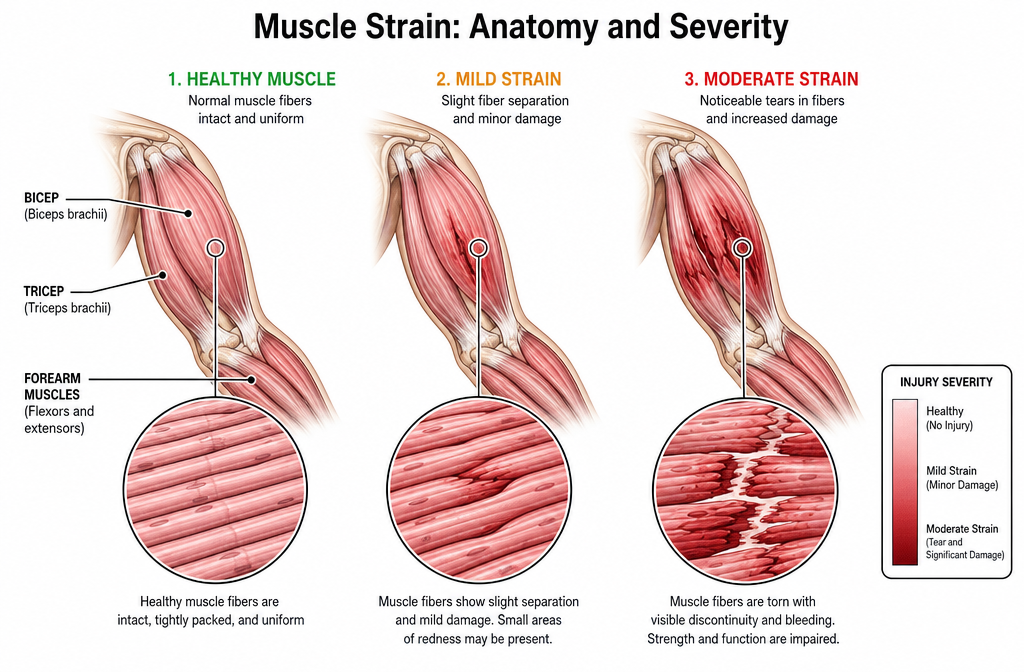
An arm muscle strain occurs when muscle fibers stretch beyond their normal capacity or tear due to excessive force or overuse. This injury affects the biceps, triceps, forearm muscles, or shoulder muscles that control arm movement and strength.
Medical professionals classify muscle strains into three grades:
Grade 1 (Mild Strain):
- Minor stretching of muscle fibers
- Slight tenderness and minimal swelling
- Full range of motion with mild discomfort
- Recovery typically takes 1-2 weeks
Grade 2 (Moderate Strain):
- Partial tearing of muscle fibers
- Noticeable pain and moderate swelling
- Some loss of strength and movement
- Recovery usually requires 3-6 weeks
Grade 3 (Severe Strain):
- Complete muscle tear or rupture
- Intense pain and significant swelling
- Substantial weakness and limited mobility
- Recovery may take 6-12 weeks or require surgery
Common symptoms include:
- Sharp or aching pain during movement
- Muscle tenderness and stiffness
- Visible swelling or bruising
- Weakness when lifting or gripping objects
- Muscle spasms or cramping
Proper support during recovery prevents further damage and helps maintain blood flow to promote healing. Without adequate support, even minor strains can worsen or develop into chronic issues.
Common Causes of Arm Muscle Strain
Understanding what triggers arm muscle strains helps prevent future injuries and guides treatment decisions. Most strains result from one of these common scenarios:
Heavy Lifting or Sudden Movements 🏋️♂️
- Lifting objects that exceed muscle capacity
- Quick, jerky motions without proper preparation
- Awkward lifting positions that stress muscles unevenly
- Moving heavy furniture or equipment
Sports and Exercise Activities
- Tennis, baseball, or golf swings with poor form
- Weightlifting without adequate warm-up
- Rock climbing or pull-up exercises
- Contact sports with sudden direction changes
Repetitive Motion and Overuse
- Extended computer use causing forearm strain
- Assembly line work or manual labor
- Painting, carpentry, or overhead activities
- Musicians practicing for extended periods
Poor Technique and Preparation
- Skipping warm-up exercises before activity
- Using incorrect form during exercise
- Progressing too quickly in training intensity
- Ignoring early warning signs of fatigue
Risk Factors That Increase Vulnerability:
- Previous arm injuries or muscle imbalances
- Age-related decrease in muscle flexibility
- Dehydration or electrolyte imbalances
- Muscle fatigue from overtraining
- Cold weather reducing muscle elasticity
Occupational factors also play a significant role. Mechanics, painters, and delivery drivers face higher risks due to repetitive arm movements and heavy lifting requirements.
Can an Arm Brace Help a Muscle Strain?
Yes, an arm brace for muscle strain can significantly aid recovery when used properly as part of a comprehensive treatment plan. Research shows that targeted compression and support help reduce pain and promote healing through several mechanisms.
How Arm Braces Support Healing:
Compression Benefits 💪
- Reduces swelling by improving lymphatic drainage
- Increases blood circulation to deliver nutrients
- Provides proprioceptive feedback for better movement awareness
- Minimizes muscle vibration during activity
Mechanical Support
- Limits excessive muscle stretching during movement
- Distributes force more evenly across muscle fibers
- Reduces stress on healing tissue
- Prevents compensatory movement patterns
Pain Relief Mechanisms
- Gate control theory – compression signals override pain signals
- Warmth retention improves comfort and flexibility
- Reduced muscle spasms through gentle pressure
- Psychological comfort from feeling supported
Clinical Evidence:
Studies demonstrate that compression garments can reduce muscle soreness by up to 25% and improve recovery time. The key lies in selecting the appropriate compression level and brace type for the specific strain severity.
When Braces Work Best:
- Grade 1-2 strains with intact muscle structure
- During return-to-activity phases
- For occupational protection during healing
- Combined with rest and proper rehabilitation
However, braces are not magic solutions. They work most effectively when combined with appropriate rest, ice therapy, gentle stretching, and gradual strengthening exercises.
Types of Arm Braces for Muscle Strain
Selecting the right arm brace for muscle strain depends on injury severity, activity level, and personal comfort preferences. Each type offers distinct advantages for different recovery phases.
Compression Sleeves
Best for: Mild strains, daily activities, and prevention
- Material: Elastic fabric blends with graduated compression
- Compression Level: 15-20 mmHg for optimal blood flow
- Benefits: Lightweight, breathable, allows full range of motion
- Ideal Users: Office workers, athletes during training, mild strain recovery
Compression sleeves provide consistent, gentle pressure that reduces swelling without restricting movement. They’re excellent for repetitive motion injuries and can be worn throughout the day.
Wraparound Arm Braces
Best for: Moderate strains requiring adjustable support
- Features: Velcro straps for customizable compression
- Adjustability: Multiple tension zones for targeted support
- Benefits: Easy application, accommodates swelling changes
- Ideal Users: Those needing variable support throughout recovery
These braces allow users to modify compression levels as healing progresses, making them versatile for different recovery stages.
Flexible Support Braces
Best for: Active individuals returning to sports or work
- Design: Semi-rigid materials with flexible joints
- Support Level: Moderate restriction with controlled movement
- Benefits: Protects against reinjury while maintaining function
- Ideal Users: Athletes, manual laborers, active recovery phase
Immobilization Braces
Best for: Severe strains requiring movement restriction
- Construction: Rigid materials with minimal flexibility
- Purpose: Complete rest for severely damaged tissue
- Duration: Typically used for 1-3 weeks initially
- Medical Supervision: Often prescribed by healthcare providers
For those dealing with chronic arm pain, a combination approach using different brace types during various recovery phases often yields the best results.
What to Look for in the Best Arm Brace for Muscle Strain
Choosing an effective arm brace for muscle strain requires evaluating several key features that directly impact comfort, effectiveness, and long-term satisfaction.
Essential Features Checklist ✅
Material Quality
- Breathable fabrics like moisture-wicking neoprene or mesh panels
- Hypoallergenic materials to prevent skin irritation
- Durable construction that maintains compression over time
- Easy-care fabrics that resist odors and wash well
Fit and Sizing
- Accurate measurements of arm circumference at multiple points
- Size charts specific to the manufacturer’s design
- Adjustable elements to accommodate minor size variations
- Comfortable edges that don’t dig into skin or create pressure points
Support Characteristics
- Appropriate compression level matching strain severity
- Targeted support zones focusing on the injured area
- Movement allowance suitable for daily activities
- Stability features that prevent the brace from sliding
Practical Considerations
- Easy application for independent use
- Low profile design that fits under clothing
- Lightweight construction for extended wear comfort
- Value for money balancing quality with affordability
Red Flags to Avoid ⚠️
- Braces causing numbness or tingling
- Poor quality materials that deteriorate quickly
- One-size-fits-all designs lacking proper sizing
- Excessive bulk that interferes with daily activities
- Inadequate compression that provides no support
For specific occupations requiring extended wear, consider specialized options like arm braces designed for all-day comfort that address unique workplace demands.
How to Choose the Right Arm Brace
Selecting the optimal arm brace for muscle strain requires matching the brace characteristics to your specific injury, lifestyle, and recovery goals.
Step-by-Step Selection Process
1. Assess Your Strain Severity
- Mild discomfort: Compression sleeve or light support brace
- Moderate pain with weakness: Wraparound or flexible support brace
- Severe pain with significant limitation: Immobilization or medical-grade brace
- Chronic issues: Specialized chronic pain relief braces
2. Consider Your Activity Level
- Sedentary work: Lightweight compression for home office use
- Physical job: Durable, slip-resistant designs
- Sports participation: Flexible braces allowing controlled movement
- Mixed activities: Adjustable braces for varying support needs
3. Evaluate Specific Conditions
- Tennis elbow: Targeted elbow support braces
- Golfer’s elbow: Specialized golfer’s elbow braces
- Carpal tunnel symptoms: Wrist and forearm combination braces
- Tendonitis: Anti-inflammatory compression designs
4. Factor in Lifestyle Needs
- Professional appearance: Low-profile designs for workplace use
- Sleep comfort: Specialized braces for nighttime wear
- Climate considerations: Breathable materials for hot environments
- Budget constraints: Balance features with cost-effectiveness
Sizing Guidelines
| Measurement Location | How to Measure | Size Implications |
|---|---|---|
| Upper Arm | Widest part of bicep | Primary sizing reference |
| Forearm | Widest part below elbow | Secondary fit consideration |
| Elbow | Around elbow joint | Critical for elbow-specific braces |
| Wrist | Just above wrist bone | Important for forearm braces |
Pro Tip: Measure arms in the evening when natural swelling is present to ensure comfortable fit throughout the day.
How to Wear an Arm Brace for Muscle Strain
Proper application and wear schedule maximize the benefits of your arm brace for muscle strain while avoiding potential complications from incorrect use.
Application Steps
1. Prepare the Area
- Clean and dry the arm thoroughly
- Check for cuts, rashes, or skin irritation
- Apply any prescribed topical medications first
- Ensure the brace is clean and in good condition
2. Position Correctly
- Center the brace over the injured muscle area
- Align support elements with the strain location
- Smooth out wrinkles that could create pressure points
- Check circulation by ensuring fingers remain pink and warm
3. Secure Properly
- Start with loose application and gradually tighten
- Achieve firm support without cutting off circulation
- Test range of motion to ensure appropriate restriction
- Verify comfort during basic arm movements
Wear Schedule Guidelines
Acute Phase (First 48-72 hours):
- Wear during all activities except bathing
- Remove for 15-20 minutes every 2-3 hours
- Sleep with brace if comfortable and recommended
- Monitor for increased swelling or numbness
Recovery Phase (Days 3-14):
- Wear during activities that stress the injured muscle
- Remove during rest periods to allow skin breathing
- Gradually reduce wear time as pain decreases
- Continue protection during exercise or work
Return-to-Activity Phase (Weeks 2-6):
- Use primarily during higher-risk activities
- Maintain support during sports or heavy lifting
- Wean off gradually as strength returns
- Keep available for flare-up protection
Warning Signs to Watch For ⚠️
- Numbness or tingling in fingers or hand
- Increased pain after brace application
- Skin discoloration indicating circulation problems
- Persistent marks or indentations after removal
- Worsening symptoms despite proper use
If any warning signs occur, remove the brace immediately and consult a healthcare provider if symptoms persist.
Additional Ways to Recover From a Muscle Strain
While an arm brace for muscle strain provides valuable support, complete recovery requires a multi-faceted approach addressing inflammation, mobility, and strength restoration.
R.I.C.E. Protocol Enhancement
Rest (Modified Activity)
- Avoid activities that caused the initial strain
- Continue gentle, pain-free movements to maintain circulation
- Use the brace to enable modified daily activities
- Balance rest with appropriate movement
Ice Therapy (Cryotherapy)
- Apply ice for 15-20 minutes every 2-3 hours initially
- Use barrier (thin towel) to prevent ice burn
- Continue for 48-72 hours or until swelling subsides
- Can be used over the brace for convenience
Compression (Enhanced by Bracing)
- Arm brace provides consistent, graduated compression
- Reduces swelling more effectively than elastic bandages
- Maintains therapeutic pressure during daily activities
- Adjustable options accommodate changing swelling levels
Elevation
- Raise arm above heart level when possible
- Use pillows for support during rest and sleep
- Combine with compression for maximum benefit
- Particularly important during initial 48 hours
Progressive Rehabilitation Phases
Phase 1: Pain and Inflammation Control (Days 1-5)
- Focus on reducing swelling and pain
- Gentle range of motion within pain limits
- Maintain brace support during all activities
- Anti-inflammatory medications if recommended
Phase 2: Mobility Restoration (Days 5-14)
- Gradually increase range of motion exercises
- Light stretching of surrounding muscles
- Continue brace use during activities
- Monitor for pain increases
Phase 3: Strength Building (Weeks 2-6)
- Begin resistance exercises with light weights
- Progress intensity based on pain response
- Use brace during exercise for protection
- Focus on proper form and technique
Phase 4: Return to Full Activity (Weeks 4-8)
- Sport-specific or job-specific movements
- Maintain brace use during high-risk activities
- Gradual return to pre-injury activity levels
- Emphasis on injury prevention strategies
Complementary Therapies
Heat Therapy (After Initial Inflammation)
- Apply heat before stretching or exercise
- Improves muscle flexibility and blood flow
- Use heating pads, warm baths, or heat wraps
- Never apply heat during acute inflammation phase
Massage Therapy
- Gentle massage around (not on) the injured area
- Improves circulation and reduces muscle tension
- Can be performed over compression sleeves
- Professional massage therapy may accelerate recovery
Nutrition for Healing
- Adequate protein for muscle repair (0.8-1.2g per kg body weight)
- Anti-inflammatory foods (berries, fatty fish, leafy greens)
- Proper hydration for tissue health
- Consider supplements like omega-3 fatty acids
Just as with knee injuries where proper bracing techniques support recovery, arm muscle strains benefit from comprehensive treatment approaches that address all aspects of healing.
|

|

|
|
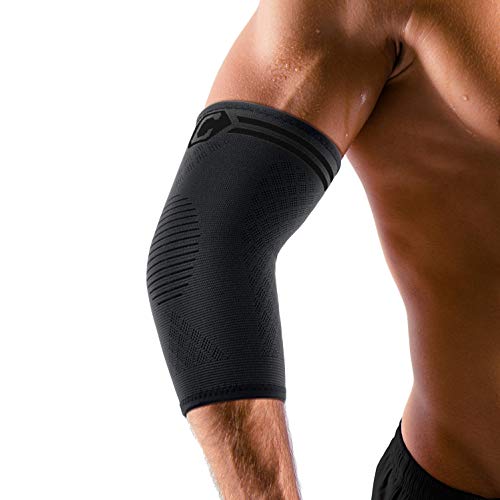
Description: TARGETED PAIN RELIEF & BOOSTED RECOVERY - Engineered with graduated compression, our elbow sleeves apply targeted support to key joint areas to help relieve discomfort associated with tennis elbow, tendonitis, and arthritis. |
Description: GOOD PERFORMANCE - The elbow brace applies even pressure to the elbow joint and elbow muscles, which can relieve tennis elbow, tendonitis, joint inflammation, golfer's elbow and other elbow pains, etc. |
Description: Our elbow brace is great for treating tendonitis, arthritis, sprained bones, strained ligaments, cubital Tunnel,ulnar nerve. Provides optimal support and compression to the elbow joint, reducing pain and preventing further injury during activities |
|
Our Rating:
4.8
|
Our Rating:
4.5
|
Our Rating:
4.4
|
|
$9.99
|
$9.99
|
$7.97
|
TARGETED PAIN RELIEF & BOOSTED RECOVERY - Engineered with graduated compression, our elbow sleeves apply targeted support to key joint areas to help relieve discomfort associated with tennis elbow, tendonitis, and arthritis.
GOOD PERFORMANCE - The elbow brace applies even pressure to the elbow joint and elbow muscles, which can relieve tennis elbow, tendonitis, joint inflammation, golfer's elbow and other elbow pains, etc.
Our elbow brace is great for treating tendonitis, arthritis, sprained bones, strained ligaments, cubital Tunnel,ulnar nerve. Provides optimal support and compression to the elbow joint, reducing pain and preventing further injury during activities
Common Mistakes to Avoid
Even with the best arm brace for muscle strain, certain mistakes can hinder recovery or lead to complications. Avoiding these pitfalls ensures optimal healing outcomes.
Application and Use Errors
Wearing the Brace Too Tightly 🚫
- Problem: Restricts blood flow and causes numbness
- Solution: Achieve firm support without cutting circulation
- Test: Should be able to slide one finger under the brace
- Monitor: Check finger color and sensation regularly
Ignoring Pain Signals
- Problem: Continuing activities that worsen the strain
- Solution: Use pain as a guide for activity modification
- Rule: If pain increases during activity, stop and rest
- Recovery: Allow symptoms to settle before resuming
Inconsistent Brace Use
- Problem: Sporadic wearing reduces effectiveness
- Solution: Follow a consistent wearing schedule
- Acute Phase: Wear during all activities as recommended
- Recovery Phase: Use during higher-risk activities
Recovery Timeline Mistakes
Returning to Activity Too Soon
- Grade 1 strains: Minimum 1-2 weeks before full activity
- Grade 2 strains: 3-6 weeks for complete healing
- Grade 3 strains: 6-12 weeks or longer with medical supervision
- Warning: Premature return often leads to reinjury
Skipping Rehabilitation Phases
- Mobility Phase: Essential for preventing stiffness
- Strength Phase: Necessary for preventing weakness
- Functional Phase: Critical for safe return to activities
- Maintenance: Ongoing exercises prevent recurrence
Equipment and Care Mistakes
Poor Brace Maintenance
- Wash regularly according to manufacturer instructions
- Replace when compression diminishes or material deteriorates
- Inspect for wear that could cause skin irritation
- Keep spare brace for continuous use during washing
Wrong Brace Selection
- Using knee brace principles for arm injuries (different anatomy)
- Choosing based on price alone rather than features
- Ignoring specific condition requirements
- One-size-fits-all mentality
Understanding these mistakes helps create a more effective recovery plan, similar to how proper knee brace selection requires avoiding common pitfalls.
When to Seek Medical Advice
While many muscle strains respond well to conservative treatment with an arm brace for muscle strain, certain symptoms require professional medical evaluation to prevent complications.
Immediate Medical Attention Required 🚨
Severe Symptoms:
- Complete inability to move the arm or lift objects
- Visible deformity or abnormal arm positioning
- Severe bruising covering large areas of the arm
- Numbness or tingling that doesn’t resolve with brace removal
- Signs of infection (fever, red streaking, warmth)
Circulation Concerns:
- Fingers turning blue or white
- Loss of pulse in the wrist
- Severe swelling that doesn’t respond to elevation
- Cold or numb fingers despite proper brace fit
Schedule Medical Consultation Within 24-48 Hours
Moderate Concerns:
- Grade 2-3 strain symptoms with significant weakness
- Pain that worsens despite proper treatment
- Limited range of motion that doesn’t improve after 48 hours
- Recurrent strains in the same location
- Work-related injuries requiring documentation
Diagnostic Needs:
- Uncertainty about injury severity
- Need for imaging (X-ray, MRI, ultrasound)
- Prescription for stronger pain medication
- Physical therapy referral requirements
- Workers’ compensation documentation
Follow-up Care Indicators
Schedule routine follow-up if:
- Symptoms persist beyond expected healing timeframes
- Gradual improvement plateaus or reverses
- Return-to-work or sport clearance needed
- Ongoing weakness affects daily activities
- Prevention strategies for recurrent injuries needed
Professional Treatment Options
Physical Therapy Benefits:
- Specialized exercise programs for muscle strain recovery
- Manual therapy techniques to improve mobility
- Ergonomic assessment for workplace modifications
- Advanced modalities (ultrasound, electrical stimulation)
Medical Interventions:
- Prescription anti-inflammatory medications
- Corticosteroid injections for severe inflammation
- Muscle relaxants for persistent spasms
- Referral to orthopedic specialists if needed
Healthcare providers can also recommend specific brace types and wearing schedules tailored to individual recovery needs, similar to how medical professionals guide knee brace selection for various conditions.
Frequently Asked Questions
Do arm braces help muscle strains heal faster?
Arm braces don’t directly accelerate tissue healing, but they create optimal conditions for recovery. The compression improves blood circulation, reduces swelling, and prevents further injury during daily activities. Studies show that proper support can reduce recovery time by 15-25% compared to rest alone. However, braces work best when combined with appropriate rest, ice therapy, and gradual rehabilitation exercises.
Can you wear an arm brace all day?
Most arm braces for muscle strain can be worn throughout the day during the acute recovery phase (first 1-2 weeks). However, it’s important to remove the brace for 15-20 minutes every 2-3 hours to check skin condition and circulation. During the later recovery phases, limit wear to activities that stress the healing muscle. Continuous wear beyond the acute phase may lead to muscle dependency or skin irritation.
What type of brace is best for muscle strain?
The best brace type depends on strain severity:
- Mild strains (Grade 1): Compression sleeves providing 15-20 mmHg pressure
- Moderate strains (Grade 2): Wraparound braces with adjustable compression
- Severe strains (Grade 3): Immobilization braces or medical-grade supports
- Chronic issues: Specialized braces for long-term pain management
Consider your activity level, occupation, and comfort preferences when making the final selection.
How long does an arm strain take to heal?
Healing timeframes vary by strain severity:
- Grade 1 (Mild): 1-2 weeks for full recovery
- Grade 2 (Moderate): 3-6 weeks with proper treatment
- Grade 3 (Severe): 6-12 weeks, possibly requiring surgery
Factors affecting healing include age, overall health, previous injuries, and adherence to treatment protocols. Using an appropriate arm brace consistently can help ensure healing occurs within expected timeframes.
Should I sleep with an arm brace on?
Sleeping with an arm brace is generally safe during the first week after injury if it provides comfort and pain relief. However, use a looser setting than daytime wear to prevent circulation issues. Some people benefit from specialized braces designed for nighttime use that provide support without excessive restriction. Remove the brace if you experience numbness, tingling, or increased pain during sleep.
Can I exercise with an arm brace for muscle strain?
Light exercise with an arm brace is often beneficial during recovery, but timing and intensity matter. During the first 48-72 hours, limit activity to gentle range-of-motion exercises. After initial inflammation subsides, gradually progress to resistance exercises while wearing the brace for protection. Always stop if pain increases and consult a healthcare provider before returning to sports or intense training.
Conclusion
An arm brace for muscle strain serves as a valuable tool in the recovery process, providing targeted compression, support, and protection during healing. The key to successful recovery lies in selecting the appropriate brace type for your specific strain severity, wearing it correctly according to recommended schedules, and combining its use with comprehensive treatment strategies.
Remember that muscle strain recovery is a gradual process that requires patience and consistency. Grade 1 strains typically heal within 1-2 weeks, while more severe injuries may require 6-12 weeks of careful management. The brace should support your return to normal activities, not replace proper rest and rehabilitation.
Take Action for Your Recovery:
- Assess your strain severity and choose an appropriate brace type
- Measure your arm properly to ensure optimal fit and effectiveness
- Follow a consistent wearing schedule during the acute and recovery phases
- Combine brace use with rest, ice therapy, and gradual strengthening exercises
- Monitor your progress and adjust treatment as healing advances
- Seek medical advice if symptoms worsen or don’t improve within expected timeframes
For those dealing with occupation-specific arm strain, consider exploring specialized solutions like braces designed for mechanics, hairstylists, or home office workers that address unique workplace demands.
With proper support and patience, most arm muscle strains heal completely, allowing you to return to your normal activities stronger and more resilient than before. The investment in a quality arm brace and comprehensive recovery approach pays dividends in faster healing, reduced pain, and prevention of future injuries.