

Gymnastics demands extraordinary flexibility, strength, and precision—but the sport’s high-impact landings and repetitive movements can wreak havoc on your knees. Whether you’re dealing with chronic knee pain from years of training or recovering from a recent injury, understanding proper knee support gymnastics techniques and equipment can be the difference between continuing your passion and being sidelined permanently.
Key Takeaways
• Proper knee support reduces injury risk by up to 60% in gymnasts through targeted bracing and strengthening exercises
• Specialized gymnastics knee braces provide stability without restricting the range of motion needed for complex skills
• Early intervention with appropriate knee support can prevent minor discomfort from developing into serious, career-ending injuries
• Combined approach of protective equipment, strengthening exercises, and proper technique offers the best long-term outcomes
• Professional guidance is essential for selecting the right knee support strategy based on your specific gymnastics discipline and injury history
Understanding Knee Injuries in Gymnastics 🏃♀️

Gymnastics places unique demands on the knee joint that differ significantly from other sports. The combination of explosive takeoffs, precise landings, and extreme range-of-motion requirements creates a perfect storm for knee injuries.
Common Gymnastics Knee Injuries
Patellar Tendinitis (Jumper’s Knee)
This overuse injury affects the tendon connecting your kneecap to your shinbone. Gymnasts frequently develop this condition due to repetitive jumping and landing motions required in floor exercise and vault.
Meniscus Tears
The C-shaped cartilage cushions in your knee can tear during twisting movements common in gymnastics. These injuries often occur during dismounts or when landing awkwardly from tumbling passes.
Ligament Strains
- ACL injuries: Often result from sudden direction changes or improper landing mechanics
- MCL strains: Typically occur from side-to-side movements or falls
- LCL damage: Less common but can happen during extreme lateral movements
Patellofemoral Pain Syndrome
This condition causes pain around the kneecap and is particularly common in female gymnasts due to anatomical factors and training intensity.
Risk Factors Specific to Gymnasts
Several factors increase injury risk for gymnasts:
- Training volume: Elite gymnasts often train 20+ hours per week
- Surface hardness: Repeated impact on firm surfaces increases stress
- Growth spurts: Young athletes face higher injury rates during rapid growth periods
- Previous injuries: Inadequately rehabilitated injuries increase re-injury risk
- Muscle imbalances: Overdeveloped quadriceps relative to hamstrings
Understanding these risks helps explain why targeted knee support for gymnasts becomes crucial for both injury prevention and performance optimization.
Types of Knee Support for Gymnastics
Selecting appropriate knee support gymnastics equipment requires understanding the different options available and their specific applications.
Compression Sleeves
Benefits:
- Provide gentle compression to reduce swelling
- Offer mild support without restricting movement
- Ideal for minor discomfort or prevention
Best For:
- Early-stage patellar tendinitis
- General knee discomfort
- Warm-up and cool-down periods
Patellar Straps
These specialized bands sit just below the kneecap and help redirect forces away from the patellar tendon.
Advantages:
- Minimal bulk and interference
- Specifically target jumper’s knee
- Allow full range of motion
Limitations:
- Only address patellar tendon issues
- Provide minimal overall knee stability
Hinged Knee Braces
For gymnasts with more serious injuries or instability issues, hinged knee braces offer superior protection.
Features:
- Metal or composite hinges provide lateral stability
- Adjustable range-of-motion controls
- Superior protection for ligament injuries
Considerations:
- May restrict some gymnastics movements
- Require proper fitting for effectiveness
- Best suited for rehabilitation phases
Custom vs. Off-the-Shelf Options
| Feature | Custom Braces | Off-the-Shelf |
|---|---|---|
| Fit | Perfect anatomical match | Good general fit |
| Cost | $500-$2000+ | $20-$300 |
| Availability | 2-6 weeks wait time | Immediate |
| Effectiveness | Optimal for severe injuries | Adequate for most needs |
Choosing the Right Knee Support Gymnastics Equipment
Selecting appropriate knee support requires careful consideration of multiple factors specific to gymnastics training and competition.
Assessment Factors
Injury Type and Severity
Different injuries require different support approaches. For example, ligament damage typically needs more substantial bracing than minor tendinitis.
Gymnastics Discipline
- Artistic gymnastics: Requires maximum flexibility for skills like splits and leaps
- Rhythmic gymnastics: Emphasizes extreme range of motion
- Acrobatic gymnastics: Focuses on strength and stability during partner work
Training vs. Competition Use
Training braces can be more supportive and bulky, while competition equipment must meet sport-specific regulations and aesthetic requirements.
Professional Evaluation
Before selecting knee support gymnastics equipment, consider consulting:
- Sports medicine physicians for injury diagnosis
- Physical therapists for movement analysis
- Athletic trainers for sport-specific recommendations
- Certified orthotists for custom brace fitting
Understanding what injuries require a knee brace helps determine whether professional evaluation is necessary.
Fit and Comfort Considerations
Proper fit is crucial for both effectiveness and comfort:
Sizing Guidelines:
- Measure thigh circumference 6 inches above kneecap
- Measure knee circumference at the center of the kneecap
- Measure calf circumference 6 inches below kneecap
Comfort Features:
- Moisture-wicking materials for extended wear
- Breathable fabrics to prevent overheating
- Seamless construction to avoid chafing
- Adjustable straps for customized compression
Learn more about proper knee brace fitting to ensure optimal results.
|
Very Popular Choice
|
|

|
|
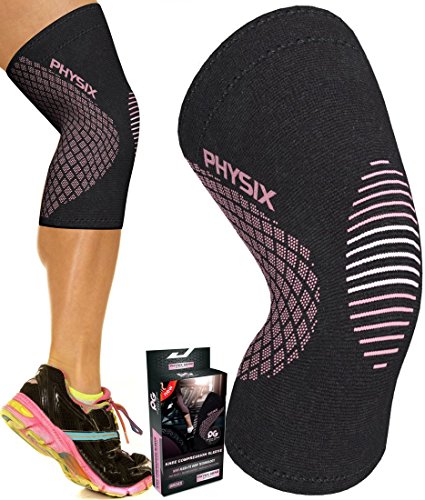
Description: Transform Your Workout Routine: this compression sleeve knee brace provides unmatched support for running, weightlifting, & daily activities. ideal for those who need compression knee sleeves brace. Empower Your Knees: our knee brace for swelling is crafted with high-quality materials to ensure long-lasting durability & comfort; excellent knee sleeves for compression that adapt to your movements, making it perfect for both men & women |
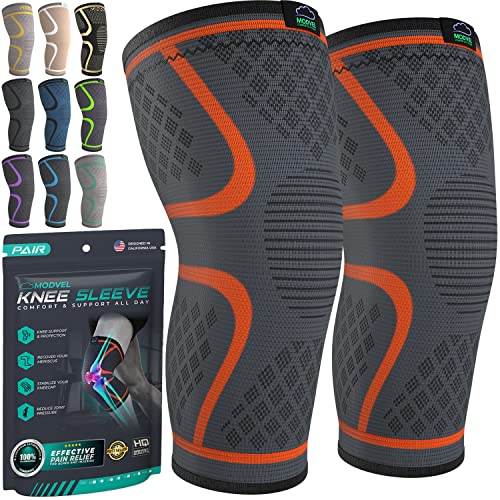
Description: No Pill & Injection Relief: Avert pain, inflammation, and sports injury with our knee braces for knee pain. It offers optimum support. Breathable & Moisture-Wicking: Designed for your active lifestyle, our knee braces for knee pain won't trap sweat! It will keep odors away and stay cool for all-day use |
Description: Knee Brace For Knee Pain Relief & Support: ComfiLife Knee Brace fits left or right knee and helps relieve pain from meniscus tears, sports injuries, tendonitis, arthritis, and more. For Working Out, Running, Weightlifting, and Sports: Whether you're running a half marathon, playing your favorite sport, or just getting through your day, our knee compression brace will help you keep your peak performance! |
|
Our Rating:
4.8
|
Our Rating:
4.4
|
Our Rating:
4.3
|
|
$14.17
|
$25.99
|
$15.95
|
Transform Your Workout Routine: this compression sleeve knee brace provides unmatched support for running, weightlifting, & daily activities. ideal for those who need compression knee sleeves brace.
Empower Your Knees: our knee brace for swelling is crafted with high-quality materials to ensure long-lasting durability & comfort; excellent knee sleeves for compression that adapt to your movements, making it perfect for both men & women
No Pill & Injection Relief: Avert pain, inflammation, and sports injury with our knee braces for knee pain. It offers optimum support.
Breathable & Moisture-Wicking: Designed for your active lifestyle, our knee braces for knee pain won't trap sweat! It will keep odors away and stay cool for all-day use
Knee Brace For Knee Pain Relief & Support: ComfiLife Knee Brace fits left or right knee and helps relieve pain from meniscus tears, sports injuries, tendonitis, arthritis, and more.
For Working Out, Running, Weightlifting, and Sports: Whether you're running a half marathon, playing your favorite sport, or just getting through your day, our knee compression brace will help you keep your peak performance!
Proper Usage and Application
Effective knee support gymnastics implementation goes beyond simply wearing a brace. Proper application, timing, and integration with training routines maximize benefits while minimizing potential drawbacks.
When to Wear Knee Support
During Training:
- High-impact skill practice (tumbling, vaulting)
- Return-to-sport progression
- Long training sessions (3+ hours)
- When experiencing minor discomfort
Competition Considerations:
- Check sport-specific regulations
- Practice with competition equipment beforehand
- Consider psychological confidence benefits
Rest and Recovery:
Some situations may benefit from extended wear, but understanding how many hours a day to wear a knee brace prevents overuse.
Application Techniques
Step-by-Step Process:
- Preparation: Clean and dry the knee area
- Positioning: Align brace components with anatomical landmarks
- Securing: Apply straps in proper sequence (typically bottom to top)
- Adjustment: Fine-tune compression and positioning
- Function check: Test range of motion and comfort
Common Mistakes:
- Over-tightening straps (can cut off circulation)
- Incorrect positioning relative to kneecap
- Wearing over loose clothing that bunches
- Ignoring manufacturer’s instructions
Integration with Training
Gradual Introduction:
- Start with short periods during low-intensity activities
- Gradually increase duration and intensity
- Monitor skin condition and comfort levels
- Adjust as needed based on response
Skill-Specific Considerations:
Different gymnastics skills may require modifications:
- Beam work: Ensure brace doesn’t interfere with balance
- Floor exercise: Check that tumbling passes feel natural
- Bars: Verify no interference with grip or release moves
- Vault: Confirm landing mechanics remain optimal
Strengthening Exercises for Knee Support
While external knee support gymnastics equipment provides immediate protection, developing internal support through targeted strengthening exercises offers long-term benefits and injury prevention.
Quadriceps Strengthening
Strong quadriceps muscles help stabilize the kneecap and support landing mechanics crucial in gymnastics.
Terminal Knee Extensions:
- Use resistance band around ankle
- Straighten knee completely against resistance
- Hold 3-5 seconds, repeat 15-20 times
- Focus on the last 30 degrees of extension
Wall Sits:
- Back against wall, slide down to 90-degree knee bend
- Hold position for 30-60 seconds
- Gradually increase duration
- Add single-leg variations for advanced training
Hamstring Development
Balanced hamstring strength prevents muscle imbalances that contribute to knee injuries.
Nordic Hamstring Curls:
- Kneel with partner holding ankles
- Lower body forward slowly using hamstrings
- Return to starting position
- Highly effective for injury prevention
Single-Leg Romanian Deadlifts:
- Stand on one leg, hinge at hip
- Lower opposite hand toward floor
- Return to standing
- Develops hamstring strength and balance
Hip Stabilization
Strong hip muscles provide proximal stability that reduces knee stress during gymnastics movements.
Clamshells:
- Lie on side with knees bent
- Keep feet together, lift top knee
- Focus on glute activation
- Perform 15-20 repetitions each side
Single-Leg Glute Bridges:
- Lie on back, one foot on ground
- Lift hips using glute muscles
- Hold 2-3 seconds at top
- Lower slowly and repeat
Plyometric Progression
Gymnasts need explosive power, but plyometric exercises must be progressed carefully to avoid overload.
Landing Mechanics Training:
- Drop landings: Focus on soft, controlled landings
- Jump-land sequences: Emphasize proper knee alignment
- Multi-directional hops: Prepare for sport-specific movements
- Depth jumps: Advanced training for experienced athletes
Recovery and Rehabilitation Strategies
Effective knee support gymnastics programs must address both acute injury management and long-term rehabilitation strategies.
Acute Injury Management
RICE Protocol (First 48-72 Hours):
- Rest: Avoid activities that worsen pain
- Ice: Apply 15-20 minutes every 2-3 hours
- Compression: Use elastic bandage or compression sleeve
- Elevation: Raise leg above heart level when possible
When to Seek Medical Attention:
- Severe pain or inability to bear weight
- Obvious deformity or instability
- Significant swelling that doesn’t improve
- Numbness or tingling sensations
Progressive Return to Activity
Phase 1: Pain and Swelling Control (Days 1-7)
- Focus on rest and protection
- Gentle range-of-motion exercises
- Basic strengthening as tolerated
Phase 2: Mobility and Strength (Weeks 1-4)
- Increase range-of-motion exercises
- Progressive strengthening program
- Introduction of weight-bearing activities
Phase 3: Sport-Specific Training (Weeks 4-8)
- Gymnastics-specific movements
- Plyometric progression
- Gradual return to full training
Phase 4: Return to Competition (Weeks 8+)
- Full training participation
- Competition preparation
- Ongoing injury prevention strategies
Long-Term Management
Monitoring and Assessment:
Regular evaluation helps prevent re-injury:
- Monthly strength testing
- Movement quality assessments
- Pain and function questionnaires
- Equipment inspection and replacement
Lifestyle Modifications:
- Adequate sleep for tissue recovery
- Proper nutrition for healing
- Stress management techniques
- Cross-training for overall fitness
Understanding whether knee braces really help in long-term management helps set realistic expectations for recovery outcomes.
Professional Guidance and When to Seek Help
While many knee support gymnastics strategies can be self-managed, certain situations require professional intervention to ensure optimal outcomes and prevent complications.
Red Flag Symptoms
Seek immediate medical attention for:
- Severe pain that doesn’t improve with rest
- Mechanical symptoms like locking or catching
- Significant instability or giving way episodes
- Persistent swelling lasting more than a week
- Numbness or tingling in the leg or foot
Healthcare Team Members
Sports Medicine Physician:
- Diagnoses injuries accurately
- Prescribes appropriate treatments
- Coordinates care with other providers
- Makes return-to-sport decisions
Physical Therapist:
- Develops rehabilitation programs
- Teaches proper exercise techniques
- Addresses movement dysfunctions
- Provides manual therapy treatments
Athletic Trainer:
- Manages day-to-day injury care
- Implements prevention programs
- Coordinates with coaches and parents
- Provides emergency care during training
Orthotist:
- Designs and fits custom braces
- Modifies existing equipment
- Ensures proper brace function
- Provides ongoing adjustments
Building Your Support Network
Effective knee support gymnastics programs benefit from coordinated care:
Communication Strategies:
- Share relevant information between providers
- Maintain detailed injury and treatment records
- Establish clear return-to-sport criteria
- Regular progress evaluations
Cost Considerations:
- Insurance coverage for treatments and equipment
- Budget planning for ongoing care needs
- Cost-benefit analysis of different treatment options
For guidance on selecting appropriate interventions, review information about the best devices for knee pain to make informed decisions about your care.
Conclusion
Effective knee support gymnastics strategies combine multiple approaches to address both immediate needs and long-term joint health. From selecting appropriate protective equipment to implementing comprehensive strengthening programs, gymnasts dealing with knee pain have numerous options for managing their condition while continuing to pursue their athletic goals.
The key to success lies in taking a proactive, comprehensive approach that addresses the unique demands of gymnastics training and competition. Whether you’re dealing with acute injury, chronic pain, or simply want to prevent future problems, the strategies outlined in this guide provide a roadmap for maintaining healthy, functional knees throughout your gymnastics career.
Take Action Today:
- Assess your current knee health and identify any concerning symptoms
- Consult with appropriate healthcare professionals for proper evaluation
- Implement a progressive strengthening program tailored to your needs
- Consider appropriate knee support equipment based on your specific situation
- Develop a long-term plan for injury prevention and joint health maintenance
Remember that every gymnast’s situation is unique, and what works for one athlete may not be appropriate for another. Work closely with qualified professionals to develop a personalized knee support gymnastics plan that allows you to train safely, compete confidently, and enjoy the sport you love for years to come.