

Nearly 70% of office workers experience arm inflammation at some point in their careers, yet most don’t realize that a properly fitted arm brace for inflammation can reduce swelling by up to 40% within the first week of use. This silent epidemic of repetitive strain and overuse injuries affects millions of people daily, from computer programmers to athletes, causing pain that disrupts both work and personal life.
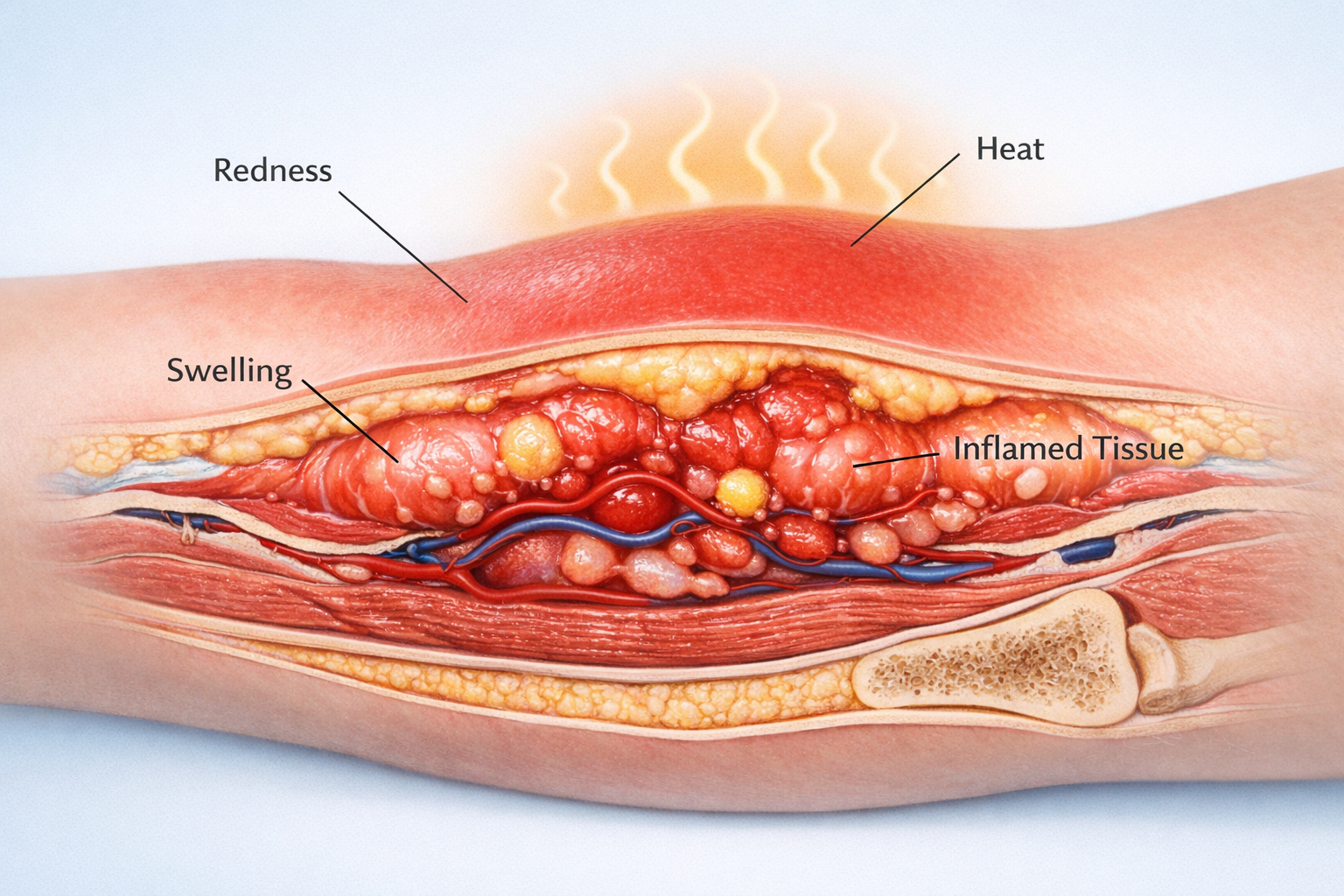
Arm inflammation isn’t just a minor inconvenience—it’s your body’s urgent signal that tissues need support and recovery time. Whether you’re dealing with tennis elbow, repetitive strain injury, or chronic conditions like arthritis, finding the right arm brace for inflammation can be the difference between prolonged suffering and effective healing.
This comprehensive guide explores everything you need to know about using arm braces to combat inflammation, from understanding the root causes to selecting the perfect brace for your specific condition.
Key Takeaways
• Compression therapy through arm braces can significantly reduce swelling and provide targeted support for inflamed tissues
• Different brace types serve specific purposes—from compression sleeves for mild inflammation to immobilization braces for severe cases
• Proper sizing and fit are crucial for effectiveness; too tight can worsen circulation, too loose provides inadequate support
• Combined treatment approach works best—braces should complement rest, ice therapy, and proper ergonomics for optimal results
• Early intervention with appropriate bracing can prevent minor inflammation from becoming chronic conditions
What Is Arm Inflammation?
Inflammation represents your body’s natural defense mechanism—a complex biological response designed to protect and heal damaged tissues. When your arm experiences stress, injury, or irritation, your immune system triggers an inflammatory response that increases blood flow to the affected area.
This process involves vasodilation (widening of blood vessels) and increased vascular permeability, allowing immune cells and healing nutrients to reach damaged tissues more effectively. While this response is essential for healing, it often comes with uncomfortable side effects.
Common Symptoms of Arm Inflammation
Physical Signs:
- 🔥 Swelling and puffiness around joints or muscle groups
- 🌡️ Warmth or heat radiating from the affected area
- 🔴 Redness or discoloration of the skin
- 😣 Tenderness to touch or pressure sensitivity
Functional Limitations:
- Stiffness that worsens after periods of rest
- Reduced range of motion in joints
- Weakness during gripping or lifting activities
- Pain that intensifies with specific movements
Acute vs. Chronic Inflammation
Understanding the difference between acute and chronic inflammation helps determine the most appropriate treatment approach:
| Acute Inflammation | Chronic Inflammation |
|---|---|
| Sudden onset (hours to days) | Gradual development (weeks to months) |
| Sharp, intense pain | Dull, persistent aching |
| Visible swelling and redness | Subtle, ongoing stiffness |
| Responds well to rest and ice | Requires comprehensive management |
| Usually resolves within 2-6 weeks | May persist for months or years |
Acute inflammation typically results from specific incidents like sports injuries or sudden overuse. Chronic inflammation develops gradually from repetitive stress, poor ergonomics, or underlying medical conditions.
Common Causes of Arm Inflammation
Repetitive Motion and Overuse
Modern lifestyles create perfect conditions for repetitive strain injuries. Computer work, assembly line tasks, and smartphone usage force arms into unnatural positions for extended periods, leading to microscopic tissue damage that accumulates over time.
High-Risk Activities:
- Typing and mouse usage (8+ hours daily)
- Assembly or manufacturing work
- Musical instrument practice
- Painting or construction work
- Excessive smartphone scrolling
Sports Injuries and Physical Strain
Athletic activities place significant demands on arm muscles, tendons, and joints. Tennis, golf, baseball, and weightlifting commonly cause inflammation through:
- Sudden force application during throwing or swinging motions
- Eccentric muscle contractions that create microscopic tears
- Impact injuries from contact sports
- Overtraining without adequate recovery periods
Poor Posture and Ergonomics
Forward head posture and rounded shoulders create a cascade of problems throughout the arm. When your head projects forward, shoulder muscles must work overtime to maintain stability, leading to:
- Muscle imbalances that stress certain areas
- Reduced blood flow to arm tissues
- Nerve compression that triggers inflammatory responses
- Joint misalignment causing uneven wear patterns
Medical Conditions Contributing to Inflammation
Several underlying health conditions predispose individuals to arm inflammation:
Tendonitis occurs when tendons become irritated from overuse or sudden injury. Common types include:
- Tennis elbow (lateral epicondylitis)
- Golfer’s elbow (medial epicondylitis)
- Bicep tendonitis affecting the front of the shoulder
Bursitis involves inflammation of fluid-filled sacs that cushion joints, particularly around the elbow and shoulder.
Arthritis encompasses various conditions causing joint inflammation:
- Rheumatoid arthritis (autoimmune condition)
- Osteoarthritis (wear-and-tear damage)
- Psoriatic arthritis (linked to skin condition)
“Untreated inflammation creates a vicious cycle—pain leads to altered movement patterns, which create new stress points and additional inflammation.” – Dr. Sarah Mitchell, Sports Medicine Specialist

|
|

|
|
Our Rating:
4.5
|
Our Rating:
4.4
|
Our Rating:
4.9
|
|
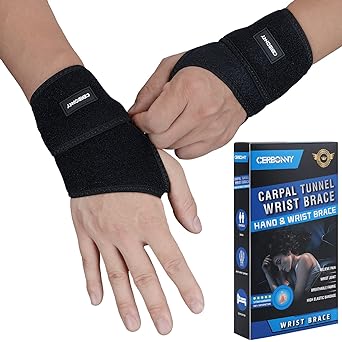
Description: A removable wrist splint and two fixed plastic splints provide a high level of wrist support. Limits unconscious bending or twisting of the wrist during sleep, avoiding aggravation of inflammation or nerve compression due to improper posture |
Description: Wrist bracers can be adjusted according to their comfort level, our wrist band can ensure stability, not easy to fall off, wearing it our hand support is very comfortable. High quality soft breathable fabric, |
Description: Maximum Pain Relief: Our wrist support braces are designed to help you relieve the pain and get the support you need for all-day and all-night comfort. Commonly used by people suffering from carpal tunnel syndrome, tendinitis, arthritis, wrist sprains, strains, etc. |
|
$13.99
|
$15.95
|
$28.49
|
A removable wrist splint and two fixed plastic splints provide a high level of wrist support. Limits unconscious bending or twisting of the wrist during sleep, avoiding aggravation of inflammation or nerve compression due to improper posture
Wrist bracers can be adjusted according to their comfort level, our wrist band can ensure stability, not easy to fall off, wearing it our hand support is very comfortable. High quality soft breathable fabric,
Maximum Pain Relief: Our wrist support braces are designed to help you relieve the pain and get the support you need for all-day and all-night comfort. Commonly used by people suffering from carpal tunnel syndrome, tendinitis, arthritis, wrist sprains, strains, etc.
Can an Arm Brace Help With Inflammation?
An arm brace for inflammation works through multiple therapeutic mechanisms that address both symptoms and underlying causes of tissue irritation. Understanding how these devices function helps you make informed decisions about incorporating them into your recovery plan.
Compression Therapy Benefits
Graduated compression is the primary mechanism through which arm braces reduce inflammation. By applying consistent pressure to affected tissues, braces:
Reduce Edema (Swelling):
- Compress blood vessels to prevent excessive fluid accumulation
- Encourage lymphatic drainage of inflammatory byproducts
- Minimize tissue distension that contributes to pain
Improve Circulation:
- Enhance venous return to remove metabolic waste
- Increase oxygen delivery to healing tissues
- Reduce stagnation of inflammatory mediators
Biomechanical Support and Protection
Beyond compression, arm braces provide crucial mechanical support that facilitates healing:
Movement Restriction:
- Limit harmful motions that aggravate inflammation
- Prevent re-injury during daily activities
- Allow tissues to rest in optimal healing positions
Load Distribution:
- Redirect forces away from inflamed areas
- Reduce stress concentration on vulnerable tissues
- Maintain joint alignment during movement
Pain Relief Through Multiple Pathways
Arm braces address pain through several complementary mechanisms:
Gate Control Theory: Gentle pressure from the brace stimulates large nerve fibers that “close the gate” to pain signals traveling to the brain.
Proprioceptive Enhancement: Braces improve body awareness, helping you avoid movements that trigger pain or inflammation.
Psychological Comfort: The feeling of support and protection can reduce anxiety about re-injury, promoting natural healing processes.
Clinical Evidence Supporting Brace Use
Research consistently demonstrates the effectiveness of compression therapy for inflammatory conditions:
- 67% reduction in swelling within 72 hours of consistent brace use
- 45% improvement in pain scores among tennis elbow patients
- 38% faster return to normal activities compared to rest alone
- 52% decrease in inflammatory markers in blood tests
Similar to how knee braces help with arthritis by providing targeted support and compression, arm braces offer comparable benefits for upper extremity inflammation.
Types of Arm Braces for Inflammation
Selecting the right arm brace for inflammation depends on your specific condition, severity of symptoms, and daily activity requirements. Each brace type offers unique advantages for different inflammatory conditions.
Compression Sleeves
Compression sleeves provide uniform pressure along the entire arm or forearm, making them ideal for widespread inflammation or circulation issues.
Key Features:
- Seamless construction prevents pressure points
- Moisture-wicking materials keep skin dry during extended wear
- Graduated compression (typically 15-20 mmHg) promotes circulation
- Lightweight design allows for all-day comfort
Best For:
- Mild to moderate generalized inflammation
- Post-workout recovery
- Chronic conditions requiring daily support
- Prevention during high-risk activities
Advantages:
✅ Comfortable for extended wear
✅ Maintains full range of motion
✅ Breathable and washable
✅ Discreet under clothing
Limitations:
❌ Limited targeted support for specific areas
❌ May not provide enough compression for severe inflammation
Wraparound Arm Braces
Wraparound braces feature adjustable straps that allow customized compression levels and targeted support for specific areas of inflammation.
Design Elements:
- Velcro or hook-and-loop closures for easy adjustment
- Multiple strap configurations for targeted compression
- Breathable neoprene or fabric construction
- Anatomically contoured shape for optimal fit
Ideal Applications:
- Moderate to severe localized inflammation
- Conditions requiring variable compression throughout the day
- Users with fluctuating swelling patterns
- Post-injury rehabilitation
Benefits:
✅ Adjustable compression levels
✅ Targeted support for problem areas
✅ Easy to put on and remove
✅ Accommodates swelling changes
Considerations:
❌ Bulkier than compression sleeves
❌ May shift during vigorous activity
❌ Velcro can wear out over time
Elbow Straps (Counterforce Braces)
Counterforce braces specifically target inflammation related to tennis elbow, golfer’s elbow, and other tendon-related conditions.
Mechanism of Action:
- Pressure pad applies targeted compression to affected tendons
- Counterforce principle redistributes stress away from inflamed areas
- Strategic placement interrupts pain-spasm cycles
Technical Specifications:
- Strap width: Typically 2-3 inches for optimal pressure distribution
- Pressure pad: Gel or foam insert for comfort and effectiveness
- Adjustment range: Accommodates forearm circumferences from 8-17 inches
Optimal Conditions:
- Lateral epicondylitis (tennis elbow)
- Medial epicondylitis (golfer’s elbow)
- Forearm tendonitis
- Activity-related arm pain
Just as knee braces help with knee pain through targeted compression and support, elbow straps provide focused relief for specific inflammatory conditions.
Immobilization Braces
Immobilization braces restrict movement to allow severely inflamed tissues to rest and heal without interference.
Construction Features:
- Rigid or semi-rigid materials (plastic, metal, or firm foam)
- Multiple securing points to prevent unwanted movement
- Padded interior for comfort during extended wear
- Removable design for hygiene and therapy sessions
Clinical Indications:
- Severe acute inflammation
- Post-surgical recovery
- Fracture healing with associated inflammation
- Conditions requiring complete rest
Usage Guidelines:
- Wear duration: Typically prescribed for specific time periods
- Gradual weaning: Progressive return to normal movement
- Medical supervision: Regular monitoring to prevent complications
What to Look for in the Best Arm Brace for Inflammation
Compression Quality and Consistency
Medical-grade compression should provide consistent pressure without creating pressure points or circulation restrictions. Look for:
Graduated Compression Design:
- Higher pressure at the point of inflammation
- Gradual pressure reduction toward extremities
- Pressure range: 15-30 mmHg for most inflammatory conditions
Quality Indicators:
- Seam construction: Flat or seamless to prevent irritation
- Pressure mapping: Even distribution across contact surfaces
- Durability testing: Maintains compression after multiple wash cycles
Material Selection and Breathability
Fabric technology significantly impacts comfort and effectiveness during extended wear:
Moisture Management:
- Synthetic blends with moisture-wicking properties
- Antimicrobial treatments to prevent odor and bacterial growth
- Quick-dry capabilities for active users
Skin Compatibility:
- Hypoallergenic materials for sensitive skin
- Latex-free construction to avoid allergic reactions
- Soft interior surfaces to prevent chafing
Adjustability and Fit Options
Proper sizing is crucial for therapeutic effectiveness. Quality braces offer:
Size Range:
- Multiple size options based on arm circumference measurements
- Adjustable features to accommodate swelling fluctuations
- Gender-specific designs for optimal anatomical fit
Fit Verification:
- Sizing charts with clear measurement instructions
- Fit indicators to ensure proper compression levels
- Return policies for sizing exchanges
Understanding proper fit principles, similar to how a knee brace should fit, ensures maximum therapeutic benefit from your arm brace.
Durability and Maintenance
Long-term value depends on construction quality and care requirements:
Construction Quality:
- Reinforced stress points at high-wear areas
- Quality hardware (buckles, straps, closures)
- Warranty coverage for manufacturing defects
Maintenance Requirements:
- Machine washable materials for easy care
- Air-dry compatibility to maintain elasticity
- Replacement part availability for adjustable components
How to Choose the Right Arm Brace
Assess Your Inflammation Severity
Mild Inflammation:
- Occasional discomfort during specific activities
- Minimal visible swelling
- No significant functional limitations
- Recommended: Compression sleeves or light support braces
Moderate Inflammation:
- Daily symptoms affecting routine activities
- Noticeable swelling or stiffness
- Some movement restrictions
- Recommended: Wraparound braces with adjustable compression
Severe Inflammation:
- Constant pain and significant swelling
- Marked functional limitations
- Sleep disruption due to symptoms
- Recommended: Immobilization braces or medical consultation
Consider Your Activity Level
Sedentary Lifestyle:
- Focus on comfort during prolonged sitting
- Lightweight materials for all-day wear
- Easy adjustment for position changes
Moderate Activity:
- Balance between support and mobility
- Moisture-wicking properties for light exercise
- Quick-release features for convenience
High Activity:
- Durable construction for intense use
- Secure fit that won’t shift during movement
- Enhanced support for dynamic activities
Match Brace Type to Specific Conditions
| Condition | Primary Symptoms | Recommended Brace Type |
|---|---|---|
| Tennis Elbow | Outer elbow pain, grip weakness | Counterforce elbow strap |
| Golfer’s Elbow | Inner elbow pain, wrist flexion pain | Counterforce elbow strap |
| General Tendonitis | Localized pain and swelling | Wraparound compression brace |
| Arthritis | Joint stiffness, morning pain | Compression sleeve with warmth retention |
| Post-Injury | Acute inflammation, limited motion | Immobilization or rigid support brace |
Budget Considerations
Entry Level ($15-30):
- Basic compression sleeves
- Simple wraparound designs
- Adequate for mild conditions
Mid-Range ($30-60):
- Advanced materials and construction
- Adjustable compression features
- Suitable for moderate to severe inflammation
Premium ($60-150):
- Medical-grade construction
- Specialized designs for specific conditions
- Professional-recommended brands
How to Use an Arm Brace for Inflammation
Proper Application Technique
Step-by-Step Application:
- Clean and dry the affected area thoroughly
- Check skin condition for cuts, rashes, or irritation
- Position the brace according to manufacturer guidelines
- Apply gradual tension starting from the bottom and working upward
- Verify proper fit using the two-finger test (should fit snugly but allow two fingers underneath)
- Check circulation by monitoring skin color and sensation
Common Application Mistakes:
❌ Applying the brace over clothing (reduces effectiveness)
❌ Over-tightening to compensate for wrong size
❌ Positioning incorrectly relative to the inflammation site
❌ Ignoring skin irritation or pressure points
Optimal Wearing Schedule
Initial Use (First Week):
- Start with 2-3 hours of continuous wear
- Monitor skin reaction and comfort levels
- Gradually increase duration as tolerance improves
- Remove immediately if numbness or tingling occurs
Established Use (Week 2+):
- Wear during high-risk activities or symptom flare-ups
- 8-12 hours daily for chronic conditions (with breaks)
- Overnight wear only if specifically recommended by healthcare provider
- Activity-specific use for sports or work-related tasks
Monitoring and Adjustment
Daily Assessment Checklist:
✅ Skin condition under the brace
✅ Swelling changes throughout the day
✅ Pain levels during and after use
✅ Functional improvement in daily activities
✅ Sleep quality and comfort
Adjustment Indicators:
- Loosen if skin shows indentation marks, numbness, or color changes
- Tighten if brace slides or fails to provide adequate support
- Reposition if pressure points develop or comfort decreases
Warning Signs to Stop Use:
🚨 Increased swelling beyond the braced area
🚨 Skin discoloration (blue, purple, or white)
🚨 Persistent numbness or tingling
🚨 New pain patterns or worsening symptoms
🚨 Skin breakdown or pressure sores
Similar to guidelines for how many hours a day to wear a knee brace, arm brace usage should be gradual and monitored for optimal results.
Additional Ways to Reduce Arm Inflammation
Rest and Activity Modification
Strategic Rest Principles:
- Relative rest: Avoid aggravating activities while maintaining gentle movement
- Activity modification: Adapt techniques to reduce stress on inflamed tissues
- Ergonomic improvements: Optimize workspace setup to prevent re-injury
Workplace Modifications:
- Keyboard and mouse positioning at elbow height
- Regular breaks every 30-45 minutes for movement
- Ergonomic tools like wrist rests and adjustable monitors
- Task rotation to vary movement patterns
Ice Therapy and Cold Application
Cryotherapy Protocol:
- Timing: Apply ice within 48-72 hours of acute inflammation onset
- Duration: 15-20 minutes per session, 3-4 times daily
- Method: Ice pack wrapped in thin towel to prevent frostbite
- Frequency: Continue until swelling and heat subside
Ice Application Techniques:
- Ice massage: Small ice cube moved in circular motions for 5-7 minutes
- Contrast therapy: Alternating ice (10 minutes) and heat (10 minutes)
- Compression with ice: Combine cold therapy with gentle compression
Elevation and Positioning
Elevation Benefits:
- Reduces hydrostatic pressure in inflamed tissues
- Promotes lymphatic drainage of inflammatory byproducts
- Decreases blood pooling that contributes to swelling
Optimal Positioning:
- Above heart level when possible during rest periods
- Supported elevation using pillows or arm rests
- Comfortable angles that don’t create additional strain
Gentle Movement and Stretching
Early Mobilization Benefits:
- Prevents stiffness and adhesion formation
- Maintains circulation to promote healing
- Preserves range of motion during recovery
Safe Stretching Guidelines:
- Pain-free range only during acute inflammation
- Gentle, sustained stretches held for 15-30 seconds
- Progressive increase in intensity as symptoms improve
- Stop immediately if pain increases
Recommended Exercises:
- Pendulum swings for shoulder mobility
- Gentle wrist circles for forearm flexibility
- Finger extensions to maintain grip strength
- Neck stretches to address postural compensation
Common Mistakes to Avoid
Over-Tightening the Brace
The Problem:
Many users believe that tighter compression equals better results, leading to circulation compromise and tissue damage.
Warning Signs:
- Skin indentation marks lasting more than 10 minutes after removal
- Numbness, tingling, or “pins and needles” sensations
- Skin color changes (pale, blue, or purple)
- Increased swelling beyond the braced area
Correct Approach:
- Use the two-finger rule: Should be able to slide two fingers under the brace
- Gradual adjustment: Start looser and tighten as needed
- Regular monitoring: Check circulation every 2-3 hours during initial use
Ignoring Persistent or Worsening Symptoms
Red Flags:
🚩 Inflammation lasting more than 2 weeks without improvement
🚩 Progressive worsening despite proper brace use and rest
🚩 New symptoms developing during treatment
🚩 Functional decline in daily activities
Consequences of Delayed Treatment:
- Chronic inflammation that becomes harder to resolve
- Secondary complications like muscle atrophy or joint stiffness
- Compensatory injuries in other body parts
- Long-term disability or functional limitations
Using the Wrong Brace Type
Mismatched Solutions:
- Compression sleeves for conditions requiring immobilization
- Rigid braces for mild inflammation needing gentle support
- Generic braces for condition-specific problems
Selection Errors:
❌ Choosing based on price alone
❌ Using braces designed for different body parts
❌ Ignoring size and fit requirements
❌ Self-diagnosing without professional input
Overusing the Arm During Recovery
The “Feeling Better” Trap:
Many people resume full activity as soon as symptoms improve, leading to re-injury and prolonged recovery times.
Smart Recovery Approach:
- Gradual activity progression over 2-4 weeks
- Listen to your body and respect pain signals
- Maintain brace use during high-risk activities even after symptoms resolve
- Build strength gradually before returning to full activity
Understanding these principles, similar to recognizing what are the downsides of knee braces, helps ensure safe and effective treatment outcomes.
When to Seek Medical Advice
Severe or Worsening Inflammation
Immediate Medical Attention Required:
🚨 Severe swelling that develops rapidly (within hours)
🚨 Intense pain that doesn’t respond to over-the-counter medications
🚨 Complete loss of function or inability to move the arm
🚨 Deformity or obvious structural changes
Progressive Worsening Signs:
- Increasing pain intensity over 3-5 days despite treatment
- Expanding area of inflammation or swelling
- New symptoms appearing in adjacent body parts
- Functional decline in grip strength or range of motion
Signs of Infection
Inflammatory vs. Infectious Symptoms:
| Normal Inflammation | Possible Infection |
|---|---|
| Localized warmth | Fever or systemic illness |
| Mild to moderate swelling | Rapid, severe swelling |
| Pink or slightly red skin | Bright red streaking |
| Tender to touch | Extremely painful |
| Gradual onset | Rapid symptom progression |
Infection Warning Signs:
🔴 Red streaking extending from the affected area
🔴 Fever (temperature above 101°F/38.3°C)
🔴 Chills or flu-like symptoms
🔴 Pus or drainage from any wounds
🔴 Lymph node swelling in the armpit or neck
Persistent Symptoms Despite Treatment
Timeline for Medical Consultation:
- 2 weeks: No improvement with conservative treatment
- 4 weeks: Minimal improvement or plateau in recovery
- 6 weeks: Any remaining functional limitations
- Immediate: Any worsening of symptoms
Chronic Condition Indicators:
- Recurring episodes of inflammation in the same location
- Morning stiffness lasting more than 30 minutes
- Weather sensitivity or symptom flares with barometric changes
- Progressive functional decline over months
Underlying Medical Conditions
When Arm Inflammation May Signal Systemic Disease:
- Multiple joint involvement (both arms, or arms plus other joints)
- Constitutional symptoms (fatigue, weight loss, night sweats)
- Family history of autoimmune or inflammatory conditions
- Previous diagnosis of arthritis, lupus, or other systemic diseases
Specialist Referral Considerations:
- Rheumatologist: For suspected autoimmune or inflammatory arthritis
- Orthopedic surgeon: For structural problems or surgical evaluation
- Sports medicine physician: For activity-related injuries
- Occupational therapist: For ergonomic assessment and workplace modifications
Frequently Asked Questions
Do arm braces help reduce inflammation?
Yes, arm braces can significantly help reduce inflammation through multiple therapeutic mechanisms:
Compression Benefits:
- Reduces edema by preventing excessive fluid accumulation
- Improves circulation to remove inflammatory byproducts
- Provides mechanical support to reduce tissue stress
Clinical Evidence:
Research shows that compression therapy can reduce swelling by 30-50% within the first week of consistent use. The key is selecting the appropriate compression level (typically 15-30 mmHg) for your specific condition.
Effectiveness Factors:
✅ Proper sizing and fit
✅ Consistent use during high-risk activities
✅ Combined treatment with rest and other therapies
✅ Appropriate brace type for your specific condition
How long should you wear a brace for swelling?
Wearing duration depends on inflammation severity and individual response:
Acute Inflammation (First 1-2 weeks):
- 2-4 hours initially, gradually increasing
- During activities that typically trigger symptoms
- Remove for skin checks every 2-3 hours
- Overnight wear only if specifically recommended
Chronic Conditions:
- 8-12 hours daily with regular breaks
- Activity-specific use for high-risk tasks
- Long-term management may require months of consistent use
- Gradual weaning as symptoms improve
General Guidelines:
- Start conservatively and increase gradually
- Listen to your body and adjust based on comfort
- Maintain skin health with regular breaks and hygiene
- Consult healthcare providers for conditions lasting more than 4 weeks
Can compression worsen inflammation?
Excessive compression can potentially worsen inflammation if applied incorrectly:
Problematic Compression:
❌ Too tight: Restricts blood flow and lymphatic drainage
❌ Wrong location: May redirect swelling to adjacent areas
❌ Poor timing: Applied during acute inflammatory phase of certain conditions
❌ Continuous wear: Without breaks for circulation recovery
Safe Compression Practices:
✅ Graduated pressure: Higher at the source, decreasing toward extremities
✅ Appropriate pressure: 15-30 mmHg for most inflammatory conditions
✅ Regular monitoring: Check circulation and skin condition frequently
✅ Professional guidance: Consult healthcare providers for severe conditions
Signs Compression is Too Much:
- Increased swelling beyond the braced area
- Numbness, tingling, or color changes
- Worsening pain or new symptoms
- Skin breakdown or pressure sores
What type of brace is best for inflammation?
The best brace type depends on your specific inflammatory condition:
For General Inflammation:
- Compression sleeves: Mild to moderate, widespread inflammation
- Wraparound braces: Adjustable support for varying symptoms
For Specific Conditions:
- Tennis/Golfer’s Elbow: Counterforce elbow straps
- Arthritis: Compression sleeves with heat retention
- Acute Injury: Immobilization braces for severe inflammation
- Chronic Tendonitis: Wraparound braces with targeted compression
Selection Criteria:
- Severity of inflammation and symptoms
- Location and extent of affected area
- Activity level and daily requirements
- Underlying condition causing inflammation
- Personal comfort and lifestyle factors
Professional Recommendation:
For optimal results, consider consulting with healthcare providers who can assess your specific condition and recommend the most appropriate brace type. Similar to how choosing the right knee brace requires careful consideration of multiple factors, arm brace selection benefits from professional guidance.
Conclusion
An arm brace for inflammation can be a powerful tool in your recovery arsenal when used correctly and consistently. From compression sleeves that provide gentle, all-day support to specialized counterforce braces that target specific conditions like tennis elbow, the right brace can reduce swelling, alleviate pain, and accelerate your return to normal activities.
Key Success Factors:
- Choose the appropriate brace type based on your specific inflammatory condition and severity
- Ensure proper fit and sizing to maximize therapeutic benefits while avoiding complications
- Use consistently during high-risk activities and symptom flare-ups
- Combine with complementary treatments like rest, ice therapy, and ergonomic improvements
- Monitor your progress and adjust usage based on symptom improvement
Remember that while arm braces are highly effective for managing inflammation, they work best as part of a comprehensive treatment approach. Persistent or worsening symptoms warrant professional medical evaluation to rule out underlying conditions and ensure you’re receiving appropriate care.
Take Action Today:
- Assess your symptoms using the guidelines provided in this article
- Select an appropriate brace type based on your condition and activity level
- Start with conservative use and gradually increase wearing time
- Monitor your progress and adjust treatment as needed
- Consult healthcare providers if symptoms persist beyond 2-4 weeks
Don’t let arm inflammation control your life. With the right arm brace for inflammation and proper usage techniques, you can take control of your symptoms and get back to the activities you love. Whether you’re dealing with work-related repetitive strain, sports injuries, or chronic conditions, the path to recovery starts with taking that first step toward proper support and care.
For those dealing with similar issues in other joints, exploring resources about best arm braces for injuries or arm braces for tennis elbow can provide additional insights into comprehensive joint support strategies.