

Nearly 73% of weightlifters experience arm pain or elbow discomfort at some point in their training journey, yet most continue lifting without proper support until a minor ache becomes a serious injury. The search for the best arm brace for lifting has become increasingly important as more athletes recognize that prevention beats rehabilitation every time.
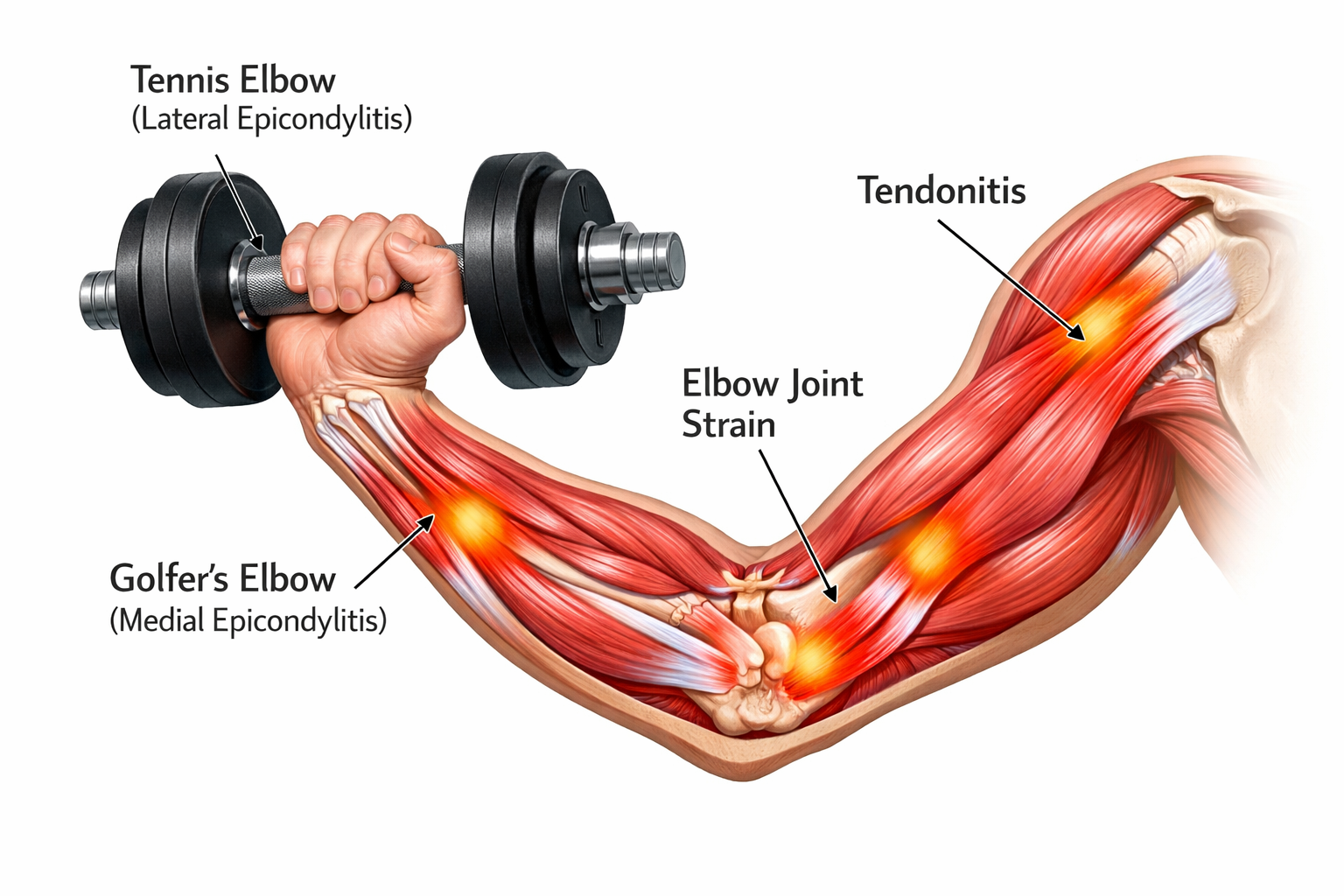
Whether you’re dealing with tennis elbow, tendonitis, or simply want to prevent future injuries, the right arm brace can be a game-changer for your lifting performance. This comprehensive guide explores everything you need to know about selecting and using arm braces effectively during your workouts.
Key Takeaways
• Arm braces provide crucial support during heavy lifting by stabilizing joints and reducing strain on tendons
• Different brace types serve different purposes – from light compression sleeves to heavy-duty support braces
• Proper fit and timing are essential for maximizing benefits while avoiding dependency
• Combining brace use with proper technique and recovery habits delivers the best long-term results
• Persistent pain requires medical evaluation – braces are supportive tools, not cure-alls
Why Lifters Experience Arm Pain
Weightlifting places tremendous stress on the arms, elbows, and surrounding tendons. Every rep creates microscopic tears in muscle fibers, and while this process builds strength over time, it also increases injury risk when recovery is inadequate.
Heavy loads and repetitive movements are the primary culprits behind lifting-related arm pain. When you perform exercises like bicep curls, tricep extensions, or overhead presses repeatedly, the same muscle groups and tendons bear the brunt of the stress session after session.
Overtraining and insufficient recovery compound these issues. Many lifters push through fatigue, believing that more volume always equals better results. However, tendons and ligaments recover more slowly than muscles, creating an imbalance that often leads to overuse injuries.
Poor lifting form or technique accelerates the problem. When your form breaks down under heavy loads, compensatory movements place abnormal stress on joints and soft tissues that weren’t designed to handle those forces.
Common Arm Issues in Lifters
Tendonitis affects the tendons connecting muscles to bones, causing inflammation and pain that worsens with continued activity. The repetitive nature of weightlifting makes this condition particularly common among dedicated lifters.
Tennis elbow (lateral epicondylitis) occurs when the tendons on the outside of the elbow become inflamed. Despite its name, this condition frequently affects lifters who perform gripping exercises or overhead movements.
Muscle strain happens when muscle fibers stretch beyond their capacity or tear partially. This can occur during explosive movements or when lifting loads that exceed your current strength capacity.
The danger lies in how small issues can escalate into long-term injuries. What starts as minor discomfort after a workout can progress to chronic pain that sidelines you for months if left unaddressed.
Can an Arm Brace Help With Lifting?
The best arm brace for lifting serves multiple functions that directly benefit weightlifters. Understanding these mechanisms helps you make informed decisions about when and how to incorporate braces into your training routine.
Arm braces provide crucial support to muscles and tendons under load by distributing forces more evenly across the joint structures. This redistribution reduces peak stress on any single tissue, potentially preventing the microtrauma that leads to overuse injuries.
Joint stabilization is another key benefit. During heavy lifts, joints can shift slightly out of optimal alignment, placing abnormal stress on surrounding tissues. A well-fitted brace helps maintain proper joint positioning throughout the range of motion.
Strain reduction during heavy lifts occurs through compression and support. The external pressure from a brace can help muscles contract more efficiently while reducing the load on tendons during peak force production.
Many lifters report that braces improve confidence and control during workouts. This psychological benefit shouldn’t be underestimated – when you feel more secure and supported, you’re likely to maintain better form and push through challenging sets more effectively.
However, it’s important to understand that arm braces work best as part of a comprehensive approach that includes proper technique, adequate recovery, and progressive overload principles. They’re tools to enhance your training, not replacements for smart programming and execution.
Types of Arm Braces for Lifting
Selecting the best arm brace for lifting requires understanding the different types available and their specific applications. Each design serves particular needs and injury types.
Compression Sleeves
Compression sleeves provide light support through graduated pressure that improves blood circulation and proprioception. These lightweight options slip over the arm like a second skin, offering minimal restriction while enhancing awareness of joint position.
Ideal for endurance and lighter workouts, compression sleeves work well for high-repetition training or when you’re dealing with minor stiffness rather than acute pain. They’re particularly effective for maintaining warmth in the muscles and joints during longer training sessions.
The gentle compression can help reduce swelling and promote faster recovery between sets, making them popular among lifters who train frequently or perform high-volume workouts.
Elbow Straps (Counterforce Braces)
Elbow straps target tendon pressure during lifts by applying focused compression just below the elbow joint. This design redirects forces away from inflamed or irritated tendons, providing relief without significantly restricting movement.
Particularly useful for managing elbow pain, these braces excel at addressing tennis elbow and golfer’s elbow symptoms. The targeted pressure helps reduce strain on the affected tendons while allowing full range of motion for most exercises.
Many lifters find elbow straps effective for exercises that aggravate their symptoms, such as curls, extensions, or pressing movements. The focused support allows them to continue training while managing discomfort.
Wraparound Arm Braces
Adjustable support levels make wraparound braces versatile options for various training needs. These braces typically feature velcro straps or similar closure systems that allow you to customize compression and support based on your current requirements.
Suitable for moderate strain or discomfort, wraparound designs work well when you need more support than a sleeve provides but don’t require the restriction of a heavy-duty brace. They’re excellent for managing fluctuating symptoms or transitioning back to full training after an injury.
The adjustability means you can modify support throughout your workout – tighter during heavy sets, looser during warm-up or accessory work.
Heavy-Duty Support Braces
Designed for higher loads and stability, heavy-duty braces provide maximum support through rigid or semi-rigid construction. These braces often incorporate hinges, stays, or other structural elements that significantly limit unwanted movement while maintaining functional range of motion.
Best for experienced lifters or injury recovery, these braces suit situations where joint stability is paramount. They’re particularly valuable during the return-to-training phase after significant injuries or when managing chronic conditions that require ongoing support.
While more restrictive than other options, heavy-duty braces can enable continued training when it might otherwise be impossible due to pain or instability.
Benefits of Using an Arm Brace While Lifting
Understanding the specific advantages of using the best arm brace for lifting helps justify their inclusion in your training arsenal. These benefits extend beyond simple pain relief to encompass performance and longevity improvements.
Reducing strain on tendons and joints represents the primary benefit most lifters seek. By providing external support and compression, braces help distribute forces more evenly, reducing peak stress on vulnerable tissues during heavy lifts.
Injury prevention through overuse management is particularly valuable for dedicated lifters who train frequently. Braces can help you maintain training consistency by managing the cumulative stress that builds up over weeks and months of regular lifting.
Improved stability during exercises enhances both safety and performance. When joints feel more secure and supported, you can focus on proper movement patterns and muscle activation rather than worrying about pain or instability.
Supporting longer and more consistent training sessions becomes possible when discomfort is managed effectively. Many lifters find they can maintain intensity and volume longer when wearing appropriate support, leading to better long-term progress.
The confidence boost that comes from feeling supported shouldn’t be overlooked. When you trust your equipment and feel secure in your movements, you’re more likely to push your limits safely and effectively.
Similar to how athletes in other sports benefit from supportive gear, weightlifters can leverage arm braces to enhance their training experience while protecting their long-term joint health.
What to Look for in the Best Arm Brace for Lifting
Selecting the best arm brace for lifting requires careful consideration of several key factors that directly impact both effectiveness and comfort during training.
Level of support should match your specific needs and current condition. Light support works well for prevention and minor discomfort, while stronger support becomes necessary for managing existing injuries or during particularly demanding training phases.
Flexibility to allow full range of motion is crucial for maintaining proper lifting mechanics. A brace that restricts your natural movement patterns can actually increase injury risk by forcing compensatory movements or reducing exercise effectiveness.
Breathable materials for workouts become essential during intense training sessions. Look for moisture-wicking fabrics and ventilation features that prevent excessive heat buildup and skin irritation during extended wear.
Secure fit that won’t slip during movement ensures consistent support throughout your workout. Braces that migrate or shift position lose effectiveness and can become distracting or even dangerous during heavy lifts.
Durability for repeated use matters when you’re investing in training equipment. Quality construction and materials ensure your brace maintains its supportive properties through countless workouts and wash cycles.
Consider how the brace interfaces with your other training gear. It should work well under or over your typical workout clothing without creating bulk or interference with your lifting technique.

|
|

|
|
Our Rating:
4.5
|
Our Rating:
4.4
|
Our Rating:
4.9
|
|
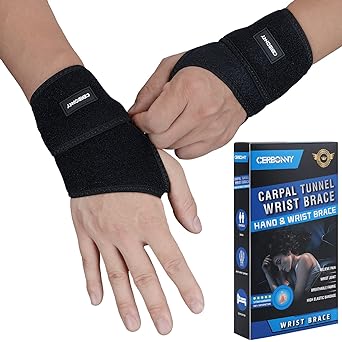
Description: A removable wrist splint and two fixed plastic splints provide a high level of wrist support. Limits unconscious bending or twisting of the wrist during sleep, avoiding aggravation of inflammation or nerve compression due to improper posture |
Description: Wrist bracers can be adjusted according to their comfort level, our wrist band can ensure stability, not easy to fall off, wearing it our hand support is very comfortable. High quality soft breathable fabric, |
Description: Maximum Pain Relief: Our wrist support braces are designed to help you relieve the pain and get the support you need for all-day and all-night comfort. Commonly used by people suffering from carpal tunnel syndrome, tendinitis, arthritis, wrist sprains, strains, etc. |
|
$13.99
|
$15.95
|
$28.49
|
A removable wrist splint and two fixed plastic splints provide a high level of wrist support. Limits unconscious bending or twisting of the wrist during sleep, avoiding aggravation of inflammation or nerve compression due to improper posture
Wrist bracers can be adjusted according to their comfort level, our wrist band can ensure stability, not easy to fall off, wearing it our hand support is very comfortable. High quality soft breathable fabric,
Maximum Pain Relief: Our wrist support braces are designed to help you relieve the pain and get the support you need for all-day and all-night comfort. Commonly used by people suffering from carpal tunnel syndrome, tendinitis, arthritis, wrist sprains, strains, etc.
How to Choose the Right Arm Brace for Your Training
Matching the best arm brace for lifting to your specific training style and needs requires honest assessment of your current situation and goals.
Match brace type to your lifting style by considering the demands of your typical workouts. Heavy powerlifting sessions may require more substantial support than bodybuilding-style training with moderate weights and higher repetitions.
Consider current pain or injury level when making your selection. Active injuries typically need more support than preventive applications, and the specific location and nature of your discomfort should guide your choice.
Choose based on comfort and fit because even the most technically advanced brace won’t help if you can’t wear it comfortably through entire workouts. Try different styles and sizes when possible to find your optimal match.
Test mobility before training with any new brace to ensure it doesn’t interfere with your lifting technique. Perform your typical warm-up routine and some light exercises to identify any movement restrictions or comfort issues.
Consider starting with less restrictive options and progressing to more supportive braces only if needed. This approach helps prevent over-reliance while ensuring you get appropriate support for your situation.
For those dealing with repetitive motion issues, exploring specialized support options for repetitive strain can provide additional insights into managing training-related discomfort.
How to Wear an Arm Brace While Lifting
Proper application of the best arm brace for lifting is essential for maximizing benefits while avoiding potential complications.
Position correctly on the forearm or elbow according to the manufacturer’s instructions and your specific needs. Most elbow braces should sit just below the joint, while forearm braces typically position higher up the arm.
Ensure snug but not restrictive fit by adjusting straps or compression gradually. The brace should feel secure and supportive without cutting off circulation or causing numbness. You should be able to slide one finger under the brace comfortably.
Wear during high-strain exercises rather than throughout your entire workout if possible. This targeted approach provides support when you need it most while allowing your joints to function normally during less demanding activities.
Remove after workouts if not needed for daily activities. Extended wear isn’t necessary unless specifically recommended by a healthcare provider, and giving your skin a break helps prevent irritation.
Monitor your skin condition regularly, especially during the first few weeks of use. Any signs of excessive redness, irritation, or circulation issues should prompt immediate removal and reassessment of fit or brace selection.
Pay attention to how the brace affects your lifting form. If you notice changes in your movement patterns or compensatory behaviors, reassess whether the brace is appropriate for your current needs.
Best Times to Use an Arm Brace
Strategic timing of best arm brace for lifting usage maximizes benefits while preventing over-dependence on external support.
During heavy lifts or intense sessions represents the most common and appropriate application. When you’re pushing near your maximum capacity, the additional support can help maintain proper joint alignment and reduce injury risk.
When recovering from minor injuries allows continued training while managing symptoms. This approach helps maintain fitness and strength while giving damaged tissues time to heal properly.
During high-volume training periods such as competition preparation or intensive training blocks, braces can help manage the cumulative stress that builds up over time. This application is particularly valuable for lifters who train frequently.
As a preventive measure for recurring pain helps break the cycle of injury and recovery that plagues many dedicated lifters. If you know certain exercises or training phases typically cause problems, proactive brace use can help prevent issues before they start.
Consider your training periodization when planning brace usage. Peak intensity phases may warrant more frequent use, while deload weeks might allow you to train without support.
Environmental factors like cold gyms or early morning workouts may also influence when braces are most beneficial, as joints and muscles need more support when they’re not fully warmed up.
Additional Tips to Prevent Arm Injuries
While the best arm brace for lifting provides valuable support, comprehensive injury prevention requires attention to multiple factors that affect your training safety and effectiveness.
Warm up properly before lifting by gradually increasing tissue temperature and joint mobility. A thorough warm-up prepares your muscles, tendons, and joints for the demands of heavy training while reducing injury risk significantly.
Use correct form and technique throughout all exercises, especially when fatigue begins to set in. Poor movement patterns under load create abnormal stress distributions that can overwhelm even well-supported joints.
Avoid overtraining and allow adequate recovery time between sessions targeting the same muscle groups. Tendons and ligaments recover more slowly than muscles, so they need extra consideration in your programming.
Stretch and strengthen supporting muscles to create balanced strength around your joints. Weak or tight muscles can alter movement patterns and increase stress on other structures, including those you’re trying to protect with bracing.
Progressive overload should be truly progressive – sudden jumps in weight, volume, or intensity dramatically increase injury risk regardless of how well-supported your joints are.
Consider incorporating mobility work and soft tissue maintenance into your routine. Regular massage, foam rolling, or other recovery modalities can help identify and address issues before they become problematic.
Those dealing with specific conditions like tendonitis may benefit from exploring targeted support solutions designed for their particular needs.
Common Mistakes to Avoid
Even with the best arm brace for lifting, certain errors can undermine effectiveness or create new problems.
Relying too heavily on a brace can lead to weakening of the natural support structures around your joints. Braces should supplement, not replace, your body’s own stability systems.
Wearing a brace too tightly in an attempt to maximize support often backfires by restricting circulation or creating pressure points. Proper fit provides support without compromising function.
Ignoring pain signals while wearing a brace can lead to more serious injuries. Braces help manage symptoms, but they don’t eliminate the underlying issues causing your discomfort.
Using improper lifting technique because you feel “protected” by your brace defeats the purpose of wearing support in the first place. Good form remains essential regardless of what equipment you’re wearing.
Continuing to train through significant pain despite wearing a brace often indicates that more comprehensive intervention is needed. Don’t let a brace become an excuse to avoid addressing underlying problems.
Failing to maintain your brace properly can reduce its effectiveness over time. Regular cleaning and inspection ensure continued performance and hygiene.
When to Seek Medical Advice
While the best arm brace for lifting can manage many training-related issues, certain symptoms require professional evaluation and treatment.
Persistent or worsening pain despite rest and appropriate support suggests underlying problems that need medical attention. Don’t let minor issues become major injuries through neglect.
Sharp pain during lifting differs from normal training discomfort and often indicates acute injury that requires immediate assessment. Continuing to train through sharp pain can cause significant damage.
Weakness or reduced performance that doesn’t improve with rest and support may signal nerve involvement or more serious structural problems requiring professional diagnosis.
Difficulty performing basic movements outside of the gym indicates that your condition has progressed beyond what self-treatment can address effectively.
Numbness, tingling, or other neurological symptoms should never be ignored, as they can indicate nerve compression or damage that requires prompt medical intervention.
If you find yourself unable to train without a brace or if your symptoms are affecting daily activities, it’s time to consult with a healthcare provider who understands sports injuries.
Frequently Asked Questions
Do arm braces help with lifting performance?
Arm braces can enhance performance indirectly by providing stability, reducing pain, and increasing confidence during lifts. However, they don’t directly increase strength or power output. The performance benefits come from being able to train more consistently and with better form when properly supported.
Should you wear an arm brace every workout?
Most lifters don’t need to wear arm braces for every workout. Use them strategically during heavy sessions, when experiencing discomfort, or during high-volume training periods. Constant use can lead to dependency and may weaken your natural support systems.
Are elbow braces safe for heavy lifting?
Quality elbow braces are generally safe for heavy lifting when properly fitted and used appropriately. However, they should complement, not replace, proper warm-up, technique, and progressive overload principles. Always ensure your brace allows full range of motion for your chosen exercises.
Can an arm brace prevent injuries?
Arm braces can help prevent certain types of overuse injuries by reducing stress on tendons and providing joint stability. However, they’re not foolproof protection against acute injuries caused by accidents, poor form, or excessive loads. Think of them as one tool in a comprehensive injury prevention strategy.
For those dealing with elbow-specific issues, exploring specialized elbow pain solutions can provide additional targeted support options.
Conclusion
Finding the best arm brace for lifting depends on your individual training style, current condition, and specific support needs. Whether you’re dealing with existing pain or working to prevent future injuries, the right brace can be a valuable addition to your training toolkit.
Remember that arm braces work best as part of a comprehensive approach that includes proper technique, adequate recovery, and progressive training methods. They’re tools to enhance your lifting experience, not replacements for smart programming and execution.
Take action today by honestly assessing your current training situation and any arm discomfort you’re experiencing. If you’re dealing with pain or want to prevent future issues, consider trying an appropriate arm brace for your next heavy training session.
Start with less restrictive options like compression sleeves or elbow straps, and progress to more supportive designs only if needed. Pay attention to how the brace affects your form and comfort, and don’t hesitate to seek professional advice if your symptoms persist or worsen.
Your long-term lifting success depends on staying healthy and consistent. The right arm support can help you achieve both goals while continuing to pursue your strength and physique objectives safely and effectively.