

Over 54% of office workers experience arm and wrist discomfort from repetitive daily activities, yet most continue working without proper support until pain becomes unbearable. The best arm brace for support can transform how people manage daily tasks, providing the stability and comfort needed to stay productive while protecting against further strain.
Whether dealing with typing fatigue, lifting requirements, or recovery from minor injuries, arm braces offer a practical solution for everyday support needs. Modern designs prioritize comfort and functionality, making them suitable for extended wear during work, exercise, and daily activities.
This comprehensive guide explores everything needed to find the right arm support solution, from understanding different brace types to selecting features that match specific lifestyle demands.
Key Takeaways
• Compression sleeves provide gentle, all-day support ideal for mild discomfort and prevention
• Elbow straps offer targeted relief for tendon-related pain during specific activities
• Proper fit is crucial – braces should feel snug but never restrict circulation or movement
• Material quality affects comfort during extended wear, with breathable fabrics being essential
• Combining brace use with ergonomic improvements and regular breaks maximizes effectiveness
Why You Might Need an Arm Brace for Support
Daily activities place significant stress on arm muscles, tendons, and joints. Repetitive strain from work tasks like typing, mouse use, or manual labor creates micro-injuries that accumulate over time. Many people don’t realize how much their arms work until discomfort begins affecting productivity and quality of life.
Common scenarios requiring arm support include:
• Office work – Extended computer use strains forearms and elbows
• Manual labor – Lifting, carrying, and tool use stress arm structures
• Sports activities – Tennis, golf, and weightlifting create specific strain patterns
• Recovery periods – Supporting healing after minor injuries or overuse
Muscle fatigue and overuse often develop gradually. Early signs include stiffness after activity, mild aching during tasks, or decreased grip strength. Addressing these symptoms early with appropriate support prevents progression to more serious conditions.
Specific conditions benefiting from arm braces:
- Tendonitis – Inflammation of tendons from repetitive motion
- Tennis elbow – Pain on the outer elbow from overuse
- Golfer’s elbow – Inner elbow pain from repetitive gripping
- General weakness – Age-related or recovery-related muscle support needs
For those dealing with similar issues in other joints, understanding proper brace selection principles can provide valuable insights into finding the right support solution.
How an Arm Brace Provides Support
Arm braces work through multiple mechanisms to reduce strain and improve function. Stabilization is the primary benefit, helping muscles and tendons maintain proper alignment during movement. This reduces the workload on already stressed tissues.
Compression therapy improves blood circulation, which enhances nutrient delivery to tissues and helps remove metabolic waste products. Better circulation supports faster recovery and reduces inflammation that contributes to discomfort.
Key support mechanisms include:
✅ Muscle stabilization – Reduces excessive movement that causes strain
✅ Pressure distribution – Spreads forces across larger areas
✅ Proprioceptive feedback – Improves body awareness and movement patterns
✅ Warmth retention – Maintains optimal tissue temperature for function
✅ Confidence building – Psychological support encourages normal activity
The biomechanical benefits extend beyond immediate comfort. Proper support helps maintain healthy movement patterns, preventing compensation behaviors that could create problems in other areas. This is particularly important for people whose work or hobbies require repetitive arm motions.
Long-term joint health benefits from consistent, appropriate support during high-stress activities. By reducing daily wear and tear, quality arm braces can help preserve function and comfort for years to come.
Types of Arm Braces for Everyday Support
Understanding different brace categories helps match the right type to specific needs and preferences. Each design offers unique advantages for different situations and comfort requirements.
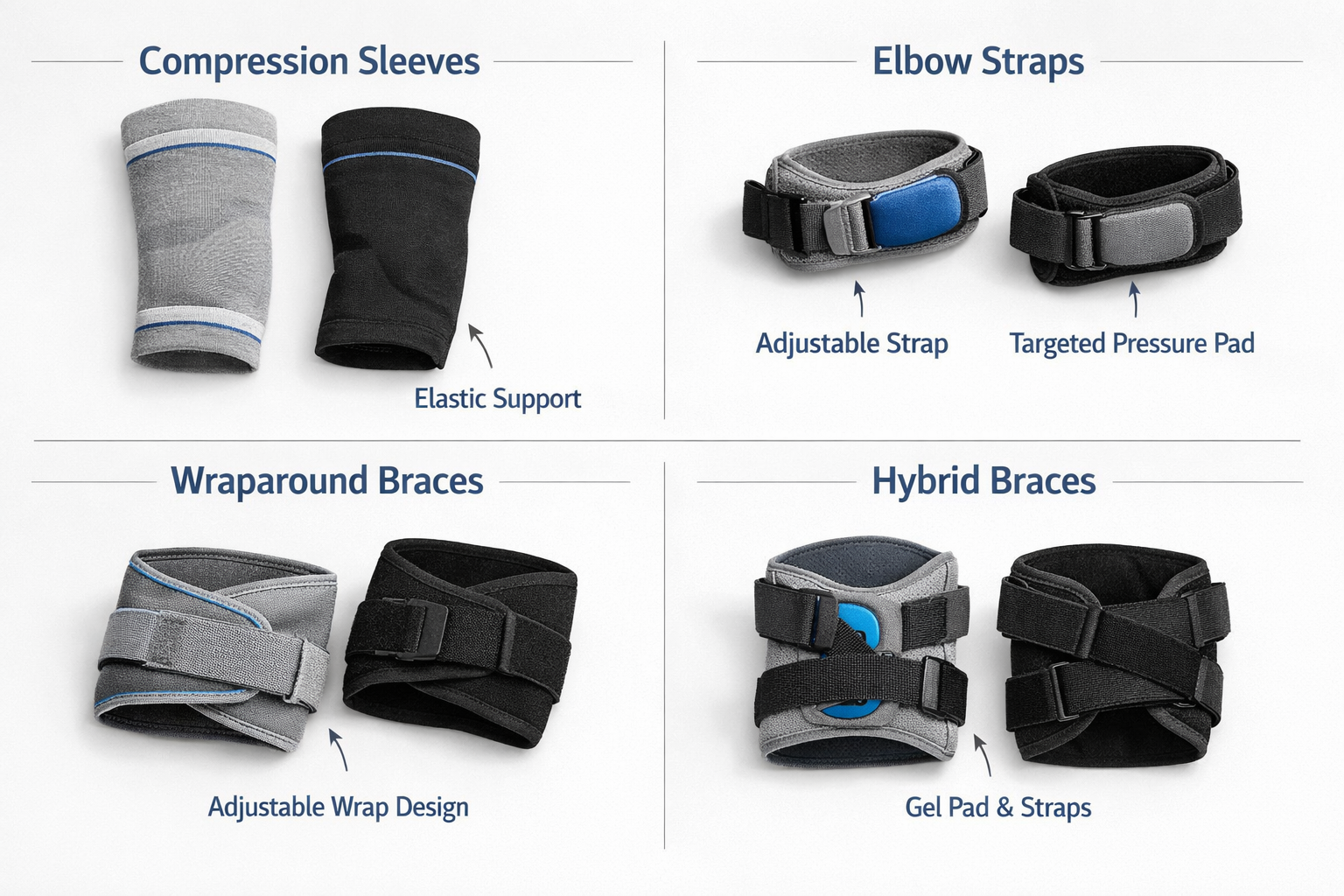
Compression Sleeves
Compression sleeves provide gentle, uniform pressure along the entire forearm or upper arm. Made from elastic materials like neoprene or compression fabric, they’re designed for all-day comfort and discrete wear under clothing.
Benefits of compression sleeves:
- Lightweight and barely noticeable during wear
- Provide consistent, mild support
- Improve circulation throughout the arm
- Easy to put on and remove
- Machine washable for easy maintenance
Best for: General arm fatigue, mild discomfort, prevention during long work days, and situations requiring discrete support.
Elbow Straps (Counterforce Braces)
Counterforce braces feature a strap that wraps around the forearm just below the elbow. This design targets specific tendons that cause tennis elbow or golfer’s elbow pain by redistributing forces away from the attachment point.
Key features:
- Focused pressure on specific muscle groups
- Adjustable tension for customized support
- Minimal bulk for easy clothing compatibility
- Quick application for activity-specific use
Ideal applications: Activity-related elbow pain, tendonitis symptoms, and situations where targeted relief is more important than general support.
Wraparound Arm Braces
Wraparound designs offer adjustable support levels through multiple straps or closures. These braces provide more substantial support than sleeves while maintaining flexibility for different activities and comfort preferences.
Advantages include:
- Customizable compression and support
- Secure fit that resists sliding
- Suitable for moderate to significant support needs
- Often include additional padding for comfort
Recommended for: Moderate arm weakness, recovery from minor injuries, and users who need variable support throughout the day.
Hybrid Braces
Hybrid models combine compression sleeves with targeted support elements like straps or padding. These designs aim to provide balanced support that addresses multiple needs simultaneously.
Combined benefits:
- General compression plus targeted relief
- Versatile for various activities
- Good compromise for uncertain needs
- Often include removable components for customization
Similar to how knee braces offer different support levels for various conditions, arm braces provide options ranging from mild compression to substantial stabilization.
What to Look for in the Best Arm Brace for Support
Selecting the right arm brace requires evaluating several key factors that affect both immediate comfort and long-term satisfaction. Quality materials and thoughtful design make the difference between a helpful support tool and an uncomfortable accessory.
Comfort Features for Extended Wear
Material selection significantly impacts daily comfort. Look for:
🏆 Breathable fabrics – Moisture-wicking materials prevent skin irritation
🏆 Soft edges – Prevent chafing and pressure points
🏆 Hypoallergenic materials – Reduce risk of skin reactions
🏆 Temperature regulation – Avoid excessive heat buildup
Adjustability and Fit
Proper sizing ensures effective support without restricting circulation. Quality braces offer:
- Multiple size options with clear measurement guidelines
- Adjustable straps for fine-tuning compression
- Secure closures that maintain position during activity
- Range of motion that doesn’t limit necessary movement
Durability Considerations
Long-term value depends on construction quality:
| Feature | Benefit | What to Look For |
|---|---|---|
| Reinforced seams | Prevents tearing | Double-stitched stress points |
| Quality closures | Maintains adjustability | Heavy-duty velcro or buckles |
| Wash resistance | Easy maintenance | Colorfast, shape-retaining materials |
| Wear resistance | Extended lifespan | Abrasion-resistant outer layers |
Support Effectiveness
The best arm brace for support balances stability with functionality:
- Appropriate support level for the intended use
- Targeted compression where needed most
- Movement accommodation for required activities
- Consistent performance throughout the day
For individuals dealing with specific conditions like tendonitis, specialized options such as arm braces designed for tendonitis may provide more targeted relief than general support models.
How to Choose the Right Arm Brace for Your Needs
Matching brace characteristics to personal requirements ensures optimal results and satisfaction. Individual factors like activity level, specific symptoms, and lifestyle preferences all influence the best choice.
Assess Your Activity Level
Work demands significantly impact brace requirements:
Office workers benefit from discrete, comfortable options that don’t interfere with typing or mouse use. Compression sleeves often work well for this population.
Manual laborers need more substantial support that can handle physical demands. Wraparound braces or hybrid models typically provide adequate stability for lifting and tool use.
Athletes require sport-specific considerations. Arm braces for lifting offer different features than those designed for racquet sports or throwing activities.
Match Support Level to Condition Severity
Mild discomfort – Compression sleeves provide gentle support for fatigue and minor aching
Moderate symptoms – Elbow straps or light wraparound braces offer targeted relief
Significant issues – Substantial braces with multiple support features may be necessary
Consider Comfort Priorities
All-day wear requires maximum comfort features like breathable materials and smooth edges. Activity-specific use allows for more substantial support that might be less comfortable for extended periods.
Discrete appearance matters for professional environments. Sleeve-style braces typically hide better under clothing than bulkier alternatives.
Ensure Proper Sizing
Accurate measurements are crucial for effectiveness:
- Measure forearm circumference at the widest point
- Check elbow circumference when slightly bent
- Consider arm length for full-coverage models
- Account for clothing if wearing over sleeves
Size charts vary between manufacturers, so always reference specific guidelines rather than assuming standard sizing.
People dealing with repetitive motion pain often benefit from trying different styles to find what works best for their specific movement patterns and comfort preferences.
How to Wear an Arm Brace for Everyday Use
Proper application and wearing technique maximize benefits while preventing potential issues. Correct positioning and appropriate timing ensure the brace provides intended support without causing new problems.
Positioning Guidelines
Compression sleeves should cover the affected area completely:
- Position the top edge 2-3 inches below the elbow
- Ensure even compression without bunching
- Check that seams don’t create pressure points
- Verify full range of motion remains available
Elbow straps require precise placement:
- Position 1-2 inches below the elbow joint
- Center over the muscle group causing discomfort
- Adjust tension to provide relief without numbness
- Ensure the strap doesn’t slide during movement
Fit Verification
Proper tightness feels snug but not restrictive:
✅ Circulation check – Fingers should remain normal color
✅ Movement test – All necessary motions should be possible
✅ Comfort assessment – No pinching or excessive pressure
✅ Stability evaluation – Brace stays in position during activity
Wearing Schedule
Gradual introduction helps tissues adapt to support:
Week 1: Wear for 2-3 hours during problematic activities
Week 2: Extend to half-day wear if comfortable
Week 3+: Full-day wear as needed, with regular breaks
Activity-specific timing maximizes benefits:
- Put on before starting repetitive tasks
- Wear during exercise or physical activities
- Remove during rest periods to allow circulation
- Clean regularly to maintain hygiene
Break Intervals
Regular removal prevents dependency and maintains natural strength:
- Remove for 15-20 minutes every few hours
- Take off completely during meals and breaks
- Allow skin to breathe and check for irritation
- Perform gentle stretches during break periods
Benefits of Using an Arm Brace Daily
Consistent, appropriate brace use provides multiple advantages that extend beyond immediate pain relief. Preventive benefits and performance improvements make quality arm support a valuable investment for many people.
Immediate Comfort Improvements
Pain reduction often occurs within hours of proper brace application. Users typically report:
- Decreased aching during repetitive tasks
- Improved grip strength and endurance
- Reduced fatigue at the end of work days
- Better sleep quality due to less nighttime discomfort
Performance Enhancement
Functional improvements help maintain productivity:
📈 Increased work capacity – Ability to perform tasks longer without discomfort
📈 Better precision – Reduced tremor and improved control
📈 Enhanced confidence – Willingness to engage in necessary activities
📈 Consistent output – More stable performance throughout the day
Preventive Protection
Long-term benefits include reduced risk of condition progression:
- Prevention of minor issues becoming major problems
- Protection during high-risk activities
- Maintenance of healthy movement patterns
- Reduced need for more aggressive treatments
Psychological Benefits
Mental health improvements often accompany physical relief:
- Reduced anxiety about arm pain
- Improved mood from better function
- Increased willingness to participate in activities
- Better overall quality of life
For people whose work involves specific repetitive motions, specialized braces like those designed for gamers or painters can provide targeted benefits for their particular movement patterns and risk factors.
Additional Ways to Support Arm Health
While the best arm brace for support provides valuable assistance, combining brace use with other healthy practices creates the most comprehensive approach to arm health and comfort.
Ergonomic Improvements
Workplace modifications reduce daily stress on arm structures:
🔧 Keyboard positioning – Keep wrists neutral during typing
🔧 Mouse placement – Position at elbow height to minimize reaching
🔧 Monitor height – Reduce neck strain that affects arm position
🔧 Chair adjustment – Support proper posture and arm positioning
Exercise and Stretching
Regular movement maintains flexibility and strength:
Stretching routine (perform 2-3 times daily):
- Wrist flexor stretches – 30 seconds each direction
- Forearm rotations – 10 repetitions clockwise and counterclockwise
- Shoulder rolls – 10 repetitions to reduce tension
- Neck stretches – Address connected muscle groups
Strengthening exercises build resilience:
- Grip strengthening with stress balls or therapy putty
- Resistance band exercises for forearm muscles
- Light weight training for overall arm strength
- Progressive loading to build endurance
Lifestyle Modifications
Daily habits that support arm health:
- Regular breaks – 5-10 minutes every hour during repetitive work
- Activity variation – Alternate between different types of tasks
- Proper hydration – Maintains tissue health and flexibility
- Adequate sleep – Allows tissue repair and recovery
Professional Support
Healthcare integration ensures comprehensive care:
- Physical therapy for specific exercise programs
- Occupational therapy for workplace modifications
- Regular check-ups to monitor condition progression
- Professional fitting for optimal brace selection
Understanding when professional intervention is necessary helps people make informed decisions about their care approach, whether for arm, knee, or other joint issues.

|
|

|
|
Our Rating:
4.5
|
Our Rating:
4.4
|
Our Rating:
4.9
|
|
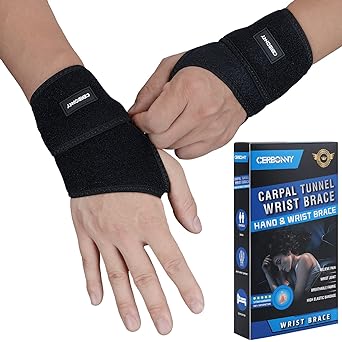
Description: A removable wrist splint and two fixed plastic splints provide a high level of wrist support. Limits unconscious bending or twisting of the wrist during sleep, avoiding aggravation of inflammation or nerve compression due to improper posture |
Description: Wrist bracers can be adjusted according to their comfort level, our wrist band can ensure stability, not easy to fall off, wearing it our hand support is very comfortable. High quality soft breathable fabric, |
Description: Maximum Pain Relief: Our wrist support braces are designed to help you relieve the pain and get the support you need for all-day and all-night comfort. Commonly used by people suffering from carpal tunnel syndrome, tendinitis, arthritis, wrist sprains, strains, etc. |
|
$13.99
|
$15.95
|
$28.49
|
A removable wrist splint and two fixed plastic splints provide a high level of wrist support. Limits unconscious bending or twisting of the wrist during sleep, avoiding aggravation of inflammation or nerve compression due to improper posture
Wrist bracers can be adjusted according to their comfort level, our wrist band can ensure stability, not easy to fall off, wearing it our hand support is very comfortable. High quality soft breathable fabric,
Maximum Pain Relief: Our wrist support braces are designed to help you relieve the pain and get the support you need for all-day and all-night comfort. Commonly used by people suffering from carpal tunnel syndrome, tendinitis, arthritis, wrist sprains, strains, etc.
Common Mistakes to Avoid
Avoiding typical errors ensures maximum benefit from arm brace use while preventing potential complications. Proper education about common pitfalls helps users achieve better outcomes.
Sizing and Fit Errors
Too tight application creates new problems:
- Restricts circulation leading to numbness or tingling
- Causes pressure sores or skin irritation
- May worsen swelling in some conditions
- Creates dependency on excessive compression
Too loose fitting reduces effectiveness:
- Provides inadequate support for the intended purpose
- Slides out of position during activity
- May bunch up and create pressure points
- Fails to deliver therapeutic benefits
Usage Pattern Mistakes
Overreliance on brace support:
- Wearing continuously without breaks weakens natural muscle strength
- Prevents tissues from adapting and healing naturally
- May lead to dependency for normal activities
- Can mask underlying issues that need professional attention
Inconsistent use limits benefits:
- Sporadic wearing doesn’t allow tissues to adapt
- Fails to provide consistent support during high-risk activities
- May lead to frustration with perceived lack of effectiveness
Selection Errors
Wrong brace type for the specific condition:
- Using compression when targeted support is needed
- Choosing activity-specific braces for general daily wear
- Selecting based on price alone rather than appropriate features
- Ignoring material allergies or sensitivities
Maintenance Neglect
Poor hygiene practices create health risks:
- Infrequent washing leads to bacterial growth
- Ignoring manufacturer care instructions damages materials
- Continuing to use worn-out braces reduces effectiveness
- Sharing braces between individuals spreads germs
When to Seek Medical Advice
While arm braces provide excellent support for many situations, certain symptoms require professional medical evaluation. Recognizing warning signs helps prevent minor issues from becoming serious problems.
Persistent Symptoms
Ongoing pain despite proper brace use and activity modification:
- Discomfort that worsens over time rather than improving
- Pain that interferes with sleep or daily activities
- Symptoms that don’t respond to rest and support
- Aching that spreads to other areas of the arm or neck
Neurological Concerns
Nerve-related symptoms require immediate attention:
⚠️ Numbness or tingling in fingers or hand
⚠️ Weakness that affects grip strength or fine motor control
⚠️ Burning sensations along the arm or into the hand
⚠️ Loss of coordination or frequent dropping of objects
Functional Limitations
Significant impact on daily activities:
- Inability to perform work tasks effectively
- Difficulty with basic self-care activities
- Reduced range of motion that doesn’t improve with time
- Strength loss that progresses despite support and rest
Signs of Serious Injury
Acute symptoms that develop suddenly:
- Severe pain following a specific incident
- Visible swelling or deformity
- Complete inability to move the arm normally
- Signs of infection like redness, warmth, or fever
Professional evaluation can determine whether additional treatments like physical therapy, medication, or other interventions might be beneficial alongside brace support.
For individuals dealing with multiple joint issues, understanding the broader context of joint support principles can help in discussions with healthcare providers about comprehensive management approaches.
Frequently Asked Questions
Do arm braces actually provide support?
Yes, quality arm braces provide measurable support through compression, stabilization, and improved proprioception. Research shows that appropriate braces can reduce muscle fatigue, improve endurance, and decrease pain during activities. The key is selecting the right type and ensuring proper fit for individual needs.
Can you wear an arm brace all day?
Most compression sleeves and lightweight braces are designed for all-day wear, but it’s important to take regular breaks. Remove the brace for 15-20 minutes every few hours to allow circulation and prevent skin irritation. Gradually increase wearing time to allow tissues to adapt.
What type of arm brace is best for everyday use?
Compression sleeves are typically best for everyday use because they’re comfortable, discrete, and provide gentle support throughout the day. They work well under clothing and don’t interfere with most daily activities. For specific conditions like tennis elbow, targeted elbow straps may be more effective.
How tight should an arm brace be?
An arm brace should feel snug but not restrictive. You should be able to slide one finger under the brace comfortably. Check that your fingers maintain normal color and temperature, and ensure you can perform all necessary movements. If you experience numbness, tingling, or increased pain, the brace is too tight.
How long does it take to see results from an arm brace?
Many people notice immediate comfort improvements when wearing a properly fitted brace. Significant symptom reduction typically occurs within 1-2 weeks of consistent use. However, addressing underlying issues may take several weeks to months, depending on the condition severity and adherence to comprehensive treatment approaches.
Can arm braces prevent injuries?
Quality arm braces can help prevent overuse injuries by providing support during high-risk activities and improving movement awareness. They’re particularly effective for people who perform repetitive motions or have a history of arm problems. However, they work best when combined with proper ergonomics and regular breaks.
Conclusion
The best arm brace for support combines appropriate design features with proper fit and consistent use to provide meaningful relief and protection. Whether dealing with work-related strain, recovery needs, or preventive support during activities, quality arm braces offer a practical solution for maintaining comfort and function.
Key success factors include selecting the right brace type for specific needs, ensuring proper fit and application, and combining brace use with healthy lifestyle practices. Compression sleeves work well for general daily support, while targeted designs like elbow straps provide focused relief for specific conditions.
Taking action starts with honestly assessing current symptoms and activity demands. Consider trying a basic compression sleeve for mild discomfort or consulting healthcare providers for persistent issues. Remember that the most expensive brace isn’t necessarily the best – focus on features that match individual needs and preferences.
Long-term success comes from viewing arm braces as part of a comprehensive approach that includes ergonomic improvements, regular exercise, and appropriate rest. With proper selection and use, quality arm support can help maintain productive, comfortable daily activities for years to come.
For those ready to explore options, start with reputable manufacturers that offer clear sizing guidelines and return policies. Consider beginning with a basic model to determine preferences before investing in specialized features, and don’t hesitate to seek professional guidance for persistent or concerning symptoms.