

Nearly 40% of adults experience arm or shoulder pain that disrupts their sleep, transforming what should be restorative rest into hours of tossing and turning. The best arm brace for sleeping offers a simple yet effective solution for those struggling with nighttime arm discomfort, providing the support needed to wake up refreshed rather than stiff and sore.
Whether dealing with tennis elbow, tendonitis, or general arm fatigue, nighttime arm pain can significantly impact sleep quality and daily functioning. This comprehensive guide explores how the right sleeping arm brace can transform restless nights into comfortable, pain-free sleep.
Key Takeaways
• Nighttime arm pain often worsens due to lack of movement and poor sleeping positions that strain joints and compress nerves
• Sleeping arm braces provide stable support that reduces strain on tendons and joints while preventing awkward positioning during sleep
• Comfort features like breathable materials, adjustable straps, and padding are essential for all-night wear
• Proper sizing and fit ensure the brace provides support without restricting circulation or causing additional discomfort
• Combining brace use with good sleep habits and positioning creates the most effective approach to reducing nighttime arm pain
Why Arm Pain Gets Worse at Night
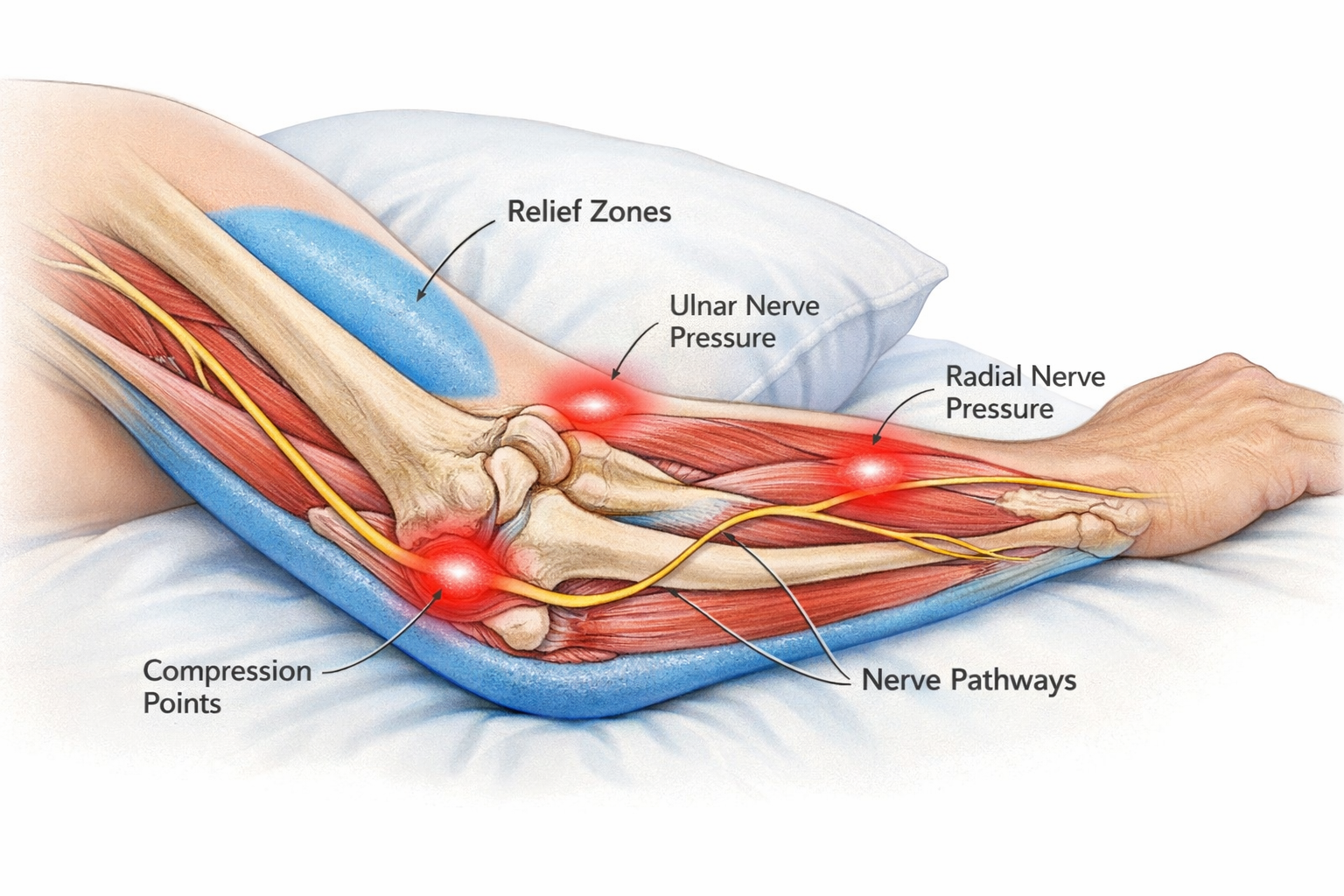
Many people notice their arm pain intensifies during nighttime hours, making it difficult to fall asleep or stay asleep comfortably. Several factors contribute to this nighttime increase in discomfort.
Lack of movement during sleep leads to stiffness in joints and muscles. Unlike daytime activities that keep the arm moving and blood flowing, sleeping positions often keep the arm in one position for hours. This prolonged immobility can cause muscles to tighten and joints to become stiff.
Poor sleeping positions frequently strain the arm, elbow, or shoulder. Side sleepers may put excessive pressure on their bottom arm, while those who sleep on their stomach might twist their arm into uncomfortable angles. Even back sleepers can experience problems if their arm falls into awkward positions during the night.
Nerve compression becomes more problematic during sleep when the body’s natural movement is restricted. Common conditions that worsen at night include:
- Tendonitis – Inflammation of tendons becomes more noticeable when the arm is still
- Tennis elbow – Pain from overused forearm muscles intensifies without movement
- Carpal tunnel syndrome – Nerve compression in the wrist can cause numbness and tingling
- Cubital tunnel syndrome – Elbow nerve compression that worsens with bent arm positions
The inflammatory response also plays a role in nighttime pain. Many inflammatory conditions naturally fluctuate throughout the day, with pain often peaking during rest periods when the body’s natural anti-inflammatory processes slow down.
Understanding why arm pain worsens at night helps explain why nighttime support becomes so important. A properly chosen sleeping arm brace addresses these underlying causes by maintaining proper positioning and reducing strain on affected areas.
Can an Arm Brace Help While Sleeping?
The simple answer is yes – the right arm brace can significantly improve nighttime comfort and sleep quality for many people experiencing arm pain. However, understanding how these devices work helps set realistic expectations for their benefits.
Stable positioning represents the primary benefit of wearing an arm brace during sleep. By keeping the arm, elbow, or wrist in a neutral, supported position, the brace prevents the awkward angles and excessive bending that often trigger pain during the night.
Reduced strain on tendons and joints occurs when a brace provides gentle support to affected areas. This support helps distribute pressure more evenly and prevents the concentrated stress that can worsen conditions like tennis elbow or tendonitis.
Prevention of unconscious movements that might aggravate existing injuries becomes particularly important during sleep. Many people unknowingly move into positions that stress their arms during the night, but a supportive brace can limit these harmful movements while still allowing comfortable sleep.
Improved sleep quality often results from reduced pain and better positioning. When the arm remains comfortable throughout the night, people experience fewer sleep disruptions and wake up feeling more rested.
The effectiveness of sleeping with an arm brace depends largely on choosing the right type and ensuring proper fit. Unlike daytime braces that might prioritize maximum support or immobilization, nighttime braces must balance support with comfort for extended wear.
For those wondering about sleeping with other types of support devices, our guide on whether you can sleep with a knee brace provides similar insights for lower body support during rest.

|
|

|
|
Our Rating:
4.5
|
Our Rating:
4.4
|
Our Rating:
4.9
|
|
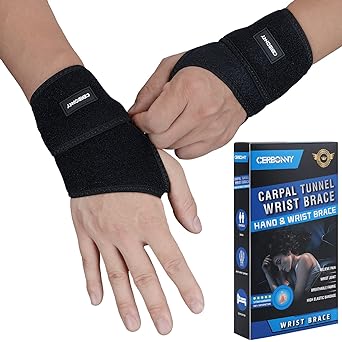
Description: A removable wrist splint and two fixed plastic splints provide a high level of wrist support. Limits unconscious bending or twisting of the wrist during sleep, avoiding aggravation of inflammation or nerve compression due to improper posture |
Description: Wrist bracers can be adjusted according to their comfort level, our wrist band can ensure stability, not easy to fall off, wearing it our hand support is very comfortable. High quality soft breathable fabric, |
Description: Maximum Pain Relief: Our wrist support braces are designed to help you relieve the pain and get the support you need for all-day and all-night comfort. Commonly used by people suffering from carpal tunnel syndrome, tendinitis, arthritis, wrist sprains, strains, etc. |
|
$13.99
|
$15.95
|
$28.49
|
A removable wrist splint and two fixed plastic splints provide a high level of wrist support. Limits unconscious bending or twisting of the wrist during sleep, avoiding aggravation of inflammation or nerve compression due to improper posture
Wrist bracers can be adjusted according to their comfort level, our wrist band can ensure stability, not easy to fall off, wearing it our hand support is very comfortable. High quality soft breathable fabric,
Maximum Pain Relief: Our wrist support braces are designed to help you relieve the pain and get the support you need for all-day and all-night comfort. Commonly used by people suffering from carpal tunnel syndrome, tendinitis, arthritis, wrist sprains, strains, etc.
Types of Arm Braces for Sleeping
Selecting the best arm brace for sleeping requires understanding the different types available and their specific benefits for nighttime use. Each type offers distinct advantages depending on the severity of pain and specific comfort needs.
Soft Compression Sleeves
Compression sleeves provide the gentlest form of support, making them ideal for mild arm discomfort or general fatigue. These lightweight, tube-like garments slip over the arm and provide consistent, gentle pressure.
Benefits include:
- Improved circulation during sleep
- Minimal bulk for comfortable side sleeping
- Breathable materials that prevent overheating
- Easy to put on and adjust
Best for: General arm fatigue, mild tendonitis, or circulation issues that worsen at night.
Wraparound Arm Braces
Adjustable wraparound braces offer more targeted support with customizable compression levels. These braces typically feature velcro straps that allow for precise fitting and pressure adjustment.
Key features:
- Adjustable compression for personalized comfort
- Targeted support for specific problem areas
- Moderate support without complete immobilization
- Can be loosened if swelling changes during the night
Best for: Tennis elbow, golfer’s elbow, or moderate tendonitis that requires more support than a simple sleeve.
Immobilization Braces
Rigid immobilization braces provide maximum support by keeping the arm or elbow in a fixed position. While these offer the most stability, they require careful consideration for nighttime use.
Characteristics:
- Prevents all movement of the affected joint
- Maximum protection for injured areas
- May require adjustment period for comfortable sleep
- Often prescribed for post-injury recovery
Best for: Serious injuries, post-surgical recovery, or severe pain that requires complete rest of the affected area.
Padded Night Braces
Specialized night braces are designed specifically for comfortable sleep wear. These combine moderate support with extra padding and soft materials optimized for extended wear.
Special features:
- Extra padding at pressure points
- Softer materials than daytime braces
- Designed to work with various sleeping positions
- Often include moisture-wicking properties
Best for: People who need consistent nightly support and prioritize comfort during extended wear.
For those dealing with arm pain from specific activities, exploring options like arm braces for support can provide additional insights into choosing the right type of brace for individual needs.
What to Look for in the Best Arm Brace for Sleeping
Choosing the best arm brace for sleeping requires focusing on features that prioritize comfort and long-term wearability over maximum support. Unlike daytime braces, nighttime versions must balance effectiveness with the ability to wear comfortably for 6-8 hours.
Material Considerations
Breathable fabrics top the list of essential features for any sleeping brace. Materials like moisture-wicking nylon, perforated neoprene, or bamboo fiber blends help prevent overheating and sweating during the night.
Soft textures against the skin become crucial during extended wear. Look for braces with smooth inner linings or padding that won’t cause irritation or pressure sores during long periods of contact.
Hypoallergenic materials matter for people with sensitive skin who may react to synthetic materials during prolonged contact. Natural fibers or specially treated synthetic materials can prevent skin reactions.
Fit and Adjustability
Proper sizing ensures the brace provides support without restricting circulation. A brace that’s too tight can cause numbness or tingling, while one that’s too loose won’t provide adequate support.
Adjustable straps allow for fine-tuning the fit and accommodating any swelling changes that might occur during the night. Multiple adjustment points provide better customization than single-strap designs.
Size range flexibility helps accommodate different arm sizes and allows for adjustment as swelling or muscle tension changes throughout recovery.
Comfort Features
Strategic padding at pressure points prevents the brace from creating new sources of discomfort during sleep. Look for extra cushioning where the brace contacts bony areas or where straps might dig in.
Smooth edges and seamless construction prevent irritation points that could disrupt sleep. Rough seams or hard edges become particularly problematic during extended wear.
Low profile design allows for comfortable sleeping in various positions without the brace creating bulk that interferes with natural sleep movements.
Support Level
Appropriate support intensity should match the severity of the condition without over-restricting movement. Nighttime braces generally provide moderate support rather than maximum immobilization.
Targeted compression zones focus support where it’s needed most while allowing flexibility in other areas for comfortable positioning.
Durability for Regular Use
Wash-friendly construction enables regular cleaning, which becomes important for devices worn nightly. Look for braces that maintain their shape and support properties after multiple wash cycles.
Quality fasteners ensure the brace stays properly positioned throughout the night without loosening or shifting during sleep movements.
For individuals whose arm pain stems from specific work activities, exploring specialized options like arm braces for tendonitis can provide additional guidance on features that address particular types of arm strain.
How to Choose the Right Arm Brace for Night Use
Selecting the best arm brace for sleeping involves matching the brace characteristics to individual needs, sleep habits, and pain patterns. This personalized approach ensures maximum benefit and comfort during nighttime wear.
Assess Your Pain Level and Type
Mild discomfort typically responds well to soft compression sleeves or lightweight wraparound braces. These provide gentle support without restricting natural sleep movements.
Moderate pain from conditions like tennis elbow or tendonitis may require adjustable braces with targeted compression zones. These offer more focused support while maintaining comfort for extended wear.
Severe pain or post-injury recovery might necessitate more substantial support, but even then, nighttime versions should prioritize comfort over maximum immobilization.
Consider Your Sleep Position
Side sleepers need braces that won’t create pressure points when the arm is compressed against the mattress. Look for low-profile designs with smooth surfaces and adequate padding.
Back sleepers can typically accommodate slightly bulkier braces since the arm rests more naturally. However, the brace should still allow for some natural movement during sleep.
Stomach sleepers face the biggest challenge since this position often requires arm positioning that can stress joints. A brace that maintains neutral positioning becomes particularly important for these sleepers.
Combination sleepers who change positions during the night need versatile braces that work well in multiple positions without creating discomfort when position changes occur.
Evaluate Your Specific Condition
Different conditions benefit from different types of support:
Tennis elbow typically responds well to forearm compression braces that reduce strain on the affected tendons.
Carpal tunnel symptoms may improve with wrist support braces that maintain neutral wrist positioning during sleep.
General arm fatigue often benefits from gentle compression sleeves that improve circulation without restricting movement.
Post-injury recovery might require more substantial support, but comfort remains crucial for healing sleep.
Factor in Personal Preferences
Temperature sensitivity should influence material choices. Hot sleepers need maximum breathability, while those who get cold might prefer slightly more substantial materials.
Skin sensitivity requires attention to materials and construction. People with sensitive skin should prioritize natural fibers or specially treated synthetic materials.
Activity level during sleep affects brace choice. Restless sleepers need more secure attachment systems, while still sleepers can use lighter, less restrictive options.
Budget Considerations
Entry-level options like basic compression sleeves provide good value for mild conditions and those trying arm braces for the first time.
Mid-range braces typically offer better materials, more adjustment options, and improved durability for regular nighttime use.
Premium options provide the best materials, construction, and comfort features but may not be necessary for everyone.
Trial and Adjustment Period
Gradual introduction helps the body adjust to wearing a brace during sleep. Start with shorter periods before committing to all-night wear.
Monitoring comfort during the first few nights helps identify any fit issues or adjustment needs before they become problematic.
Flexibility to change remains important since needs may evolve as conditions improve or sleep habits change.
For those dealing with arm pain from repetitive activities, exploring specialized solutions like arm braces for typing pain can provide insights into addressing specific causes of arm discomfort.
How to Wear an Arm Brace While Sleeping
Proper application and positioning of the best arm brace for sleeping significantly impacts both comfort and effectiveness. Following correct wearing techniques ensures maximum benefit while preventing potential problems during nighttime use.
Correct Positioning
Placement location depends on the specific condition being addressed. Elbow braces should center over the affected area, while forearm braces need proper positioning relative to the wrist and elbow joints.
Neutral joint positioning helps prevent strain during sleep. The brace should support the arm in a natural, relaxed position rather than forcing it into an awkward angle.
Alignment with natural anatomy ensures the brace works with the body’s structure rather than against it. Proper alignment reduces stress on joints and improves comfort during extended wear.
Achieving Proper Fit
Snug but not tight represents the ideal compression level for nighttime wear. The brace should provide support without restricting blood circulation or causing numbness.
Two-finger rule offers a practical guide for tightness. If you can slip two fingers under the brace comfortably, the fit is likely appropriate for sleep wear.
Even pressure distribution prevents hot spots or pressure points that could disrupt sleep. Adjust straps to ensure consistent contact without concentrated pressure areas.
Pre-Sleep Preparation
Test positioning while awake helps identify any comfort issues before attempting to sleep. Spend 15-20 minutes wearing the brace in your typical sleeping position to assess comfort.
Skin preparation includes ensuring the arm is clean and dry before applying the brace. This prevents irritation and helps maintain hygiene during extended wear.
Gradual adjustment allows the body to adapt to wearing the brace during sleep. Start with shorter periods and gradually increase to full-night wear.
Circulation Monitoring
Check for numbness or tingling that might indicate the brace is too tight or poorly positioned. These symptoms suggest the need for immediate adjustment.
Color changes in fingers or hands can signal circulation problems. The skin should maintain normal color and temperature while wearing the brace.
Regular assessment during the first few nights helps establish the proper fit and identify any adjustment needs.
Position Maintenance
Secure fastening ensures the brace stays in position throughout the night without becoming loose or shifting during sleep movements.
Pillow support can help maintain comfortable arm positioning, especially for side sleepers who need additional support for their top arm.
Natural movement allowance means the brace should accommodate normal sleep movements without causing discomfort or waking the sleeper.
Common Application Mistakes
Over-tightening represents the most frequent error, leading to circulation problems and increased discomfort rather than improved support.
Incorrect positioning can actually worsen symptoms if the brace pushes joints into stressful positions or creates pressure points.
Ignoring discomfort signals during initial wear can lead to skin irritation or other problems that make continued use difficult.
Adjustment Throughout the Night
Loosening if needed should be possible without fully removing the brace. Some swelling changes during sleep may require minor adjustments.
Position modifications might be necessary if the brace shifts during sleep movements. Having a plan for quick adjustments helps maintain sleep continuity.
Removal protocols should be established for situations where the brace becomes uncomfortable during the night, allowing for safe removal without fully waking.
Understanding proper wearing techniques for arm braces builds on general principles that apply to other joint supports, similar to guidance provided in our comprehensive knee brace wearing guide.
Additional Tips for Reducing Nighttime Arm Pain
While the best arm brace for sleeping provides valuable support, combining brace use with other pain management strategies creates the most effective approach to comfortable nighttime rest. These complementary techniques address multiple factors that contribute to nighttime arm discomfort.
Sleep Position Optimization
Back sleeping often provides the most neutral positioning for arms and reduces the risk of compression or awkward angles. Place pillows alongside the body to prevent rolling onto the affected arm.
Side sleeping modifications can help when back sleeping isn’t comfortable. Sleep on the unaffected side and use a pillow between the arms to prevent the top arm from falling across the body and creating strain.
Pillow placement strategies support proper arm positioning regardless of preferred sleep position. A small pillow under the affected arm can maintain elevation and reduce swelling.
Pre-Bedtime Preparation
Gentle stretching 30 minutes before bed helps reduce muscle tension and improves flexibility. Focus on gentle arm, wrist, and shoulder stretches that don’t aggravate existing pain.
Heat therapy applied for 15-20 minutes before sleep can help relax muscles and reduce stiffness. Use a heating pad or warm compress on the affected area.
Cold therapy may be more appropriate for acute injuries or inflammation. Apply ice for 10-15 minutes if swelling or acute pain is present.
Environmental Modifications
Room temperature control affects comfort during sleep, especially when wearing a brace. Cooler temperatures can help prevent overheating while wearing supportive devices.
Mattress and pillow quality impacts overall sleep positioning and comfort. A supportive mattress that maintains spinal alignment helps prevent compensatory arm positioning.
Bedtime routine consistency helps signal the body to prepare for rest, potentially reducing the time spent in uncomfortable positions while falling asleep.
Activity Management
Daytime activity modification can reduce the severity of nighttime pain. Avoid overusing the affected arm in the hours before bedtime.
Work station ergonomics during the day impacts nighttime comfort. Poor daytime positioning can contribute to increased evening and nighttime pain.
Regular movement breaks throughout the day help prevent stiffness that could worsen during sleep periods.
Pain Management Techniques
Relaxation exercises can help manage pain perception and improve sleep quality. Deep breathing or progressive muscle relaxation techniques may reduce overall discomfort.
Mindfulness practices help shift focus away from pain and toward relaxation, potentially improving both pain management and sleep quality.
Medication timing should be discussed with healthcare providers. Some pain medications may be more effective when timed appropriately relative to bedtime.
Lifestyle Factors
Hydration balance affects inflammation and circulation. Adequate hydration supports healing, but excessive fluids before bed can disrupt sleep.
Nutrition considerations include anti-inflammatory foods that may help reduce overall pain levels. Avoid large meals close to bedtime that could affect sleep quality.
Stress management impacts both pain perception and sleep quality. High stress levels can worsen pain and make restful sleep more difficult to achieve.
Monitoring and Adjustment
Pain tracking helps identify patterns and triggers that affect nighttime comfort. Keep a simple log of pain levels and sleep quality to identify effective strategies.
Progress evaluation allows for adjustments to the overall pain management approach. What works initially may need modification as conditions improve or change.
Professional guidance should be sought when self-management strategies aren’t providing adequate relief or when pain patterns change significantly.
For individuals whose arm pain stems from occupational activities, exploring specific solutions like arm braces for hairstylists can provide targeted strategies for addressing work-related arm strain that affects nighttime comfort.
Common Mistakes to Avoid
Even when using the best arm brace for sleeping, certain mistakes can reduce effectiveness or create new problems. Understanding these common pitfalls helps ensure optimal results from nighttime arm support.
Sizing and Fit Errors
Choosing the wrong size represents the most frequent mistake when selecting a sleeping arm brace. A brace that’s too small restricts circulation and causes discomfort, while one that’s too large provides inadequate support and may shift during sleep.
Over-tightening straps often occurs when people assume tighter means more effective. Excessive tightness can cause numbness, tingling, and circulation problems that worsen rather than improve nighttime comfort.
Ignoring swelling changes throughout the day can lead to fit problems. Arms may swell during the day and reduce in size overnight, requiring adjustment of brace tightness.
Material and Design Choices
Selecting overly rigid braces for sleep use prioritizes maximum support over comfort. While rigid braces have their place, they’re rarely appropriate for extended nighttime wear unless specifically prescribed for post-injury recovery.
Choosing non-breathable materials leads to overheating and sweating during sleep. This discomfort can disrupt sleep and may cause skin irritation with regular use.
Overlooking padding requirements at pressure points can create new sources of pain. Hard edges or insufficient cushioning become particularly problematic during extended wear periods.
Application and Positioning Mistakes
Incorrect brace placement can worsen symptoms rather than improve them. Elbow braces positioned too high or too low may not address the actual problem area effectively.
Forcing unnatural positioning with the brace fights against the body’s natural alignment. The brace should support natural positioning rather than force the arm into awkward angles.
Inadequate securing allows the brace to shift during sleep, reducing effectiveness and potentially creating pressure points in new locations.
Usage Pattern Errors
Expecting immediate results can lead to disappointment and premature discontinuation. Most people need several nights to adjust to wearing a brace during sleep and see meaningful improvement.
Inconsistent use reduces the cumulative benefits of nighttime support. Sporadic use prevents the body from adapting and may not provide sufficient support for healing.
Wearing inappropriate braces for specific conditions occurs when people choose based on price or availability rather than suitability for their specific type of arm pain.
Hygiene and Maintenance Oversights
Inadequate cleaning of braces used nightly can lead to odor, skin irritation, and bacterial growth. Regular washing maintains hygiene and extends brace life.
Ignoring wear indicators such as stretched straps, compressed padding, or deteriorating materials can reduce effectiveness and comfort over time.
Using damaged braces that no longer provide proper support or have rough edges can cause more harm than benefit.
Lifestyle Integration Failures
Not adjusting sleep environment to accommodate brace use can reduce comfort and effectiveness. Room temperature, pillow arrangement, and mattress support all impact success with nighttime bracing.
Continuing aggravating daytime activities without modification can overwhelm the benefits provided by nighttime support. Comprehensive pain management requires attention to both daytime and nighttime factors.
Failing to communicate with healthcare providers about brace use and effectiveness can result in missed opportunities for better treatment approaches or adjustments to the current strategy.
Expectation Management Issues
Viewing braces as complete solutions rather than part of a comprehensive approach can lead to disappointment. Most conditions benefit from combining brace use with other pain management strategies.
Ignoring underlying causes of arm pain while focusing only on symptom management may allow conditions to worsen over time.
Discontinuing other treatments when starting brace use can reduce overall effectiveness. Braces typically work best as part of a multi-faceted approach to pain management.
Safety Oversights
Sleeping with circulation-restricting braces can cause serious problems including nerve damage or blood flow restriction. Always prioritize circulation over maximum support during sleep.
Ignoring worsening symptoms while using a brace may indicate the need for different treatment approaches or professional evaluation.
Using braces to mask serious injuries rather than seeking appropriate medical care can delay proper treatment and potentially worsen conditions.
Understanding these common mistakes helps maximize the benefits of nighttime arm support while avoiding potential problems. For those dealing with specific types of arm pain, exploring targeted solutions like arm braces for lifting can provide additional insights into proper brace selection and use.
When to Seek Medical Advice
While the best arm brace for sleeping can provide significant relief for many types of arm pain, certain situations require professional medical evaluation and guidance. Recognizing when self-management approaches need professional support ensures appropriate care and prevents potential complications.
Persistent or Worsening Pain
Pain that continues despite consistent brace use for 2-3 weeks may indicate a more serious underlying condition that requires professional diagnosis and treatment. While some conditions take time to improve, complete lack of progress warrants medical evaluation.
Increasing pain intensity over time, especially pain that worsens even with proper nighttime support, suggests the need for comprehensive medical assessment. Progressive pain may indicate advancing injury or an underlying condition that requires specific treatment.
Pain that spreads from the original location to other areas of the arm, shoulder, or neck requires professional evaluation to determine the underlying cause and appropriate treatment approach.
Neurological Symptoms
Numbness or tingling that persists even when not wearing a brace, or that worsens with brace use, may indicate nerve compression or damage requiring medical attention. These symptoms should never be ignored, especially if they affect hand function.
Weakness in the arm or hand that develops or worsens over time can signal serious nerve or muscle problems that need professional diagnosis and treatment. Progressive weakness particularly requires prompt medical evaluation.
Loss of coordination or fine motor control in the fingers or hand suggests potential nerve involvement that requires professional assessment and management.
Sleep Quality Impact
Severe sleep disruption that continues despite using appropriate nighttime support may require comprehensive evaluation of both the underlying condition and sleep factors. Poor sleep can significantly impact healing and overall health.
Multiple nighttime awakenings due to arm pain, even with brace use, might indicate the need for different treatment approaches or stronger interventions that require professional guidance.
Daytime fatigue resulting from poor nighttime sleep due to arm pain can affect work performance, safety, and overall quality of life, warranting comprehensive evaluation and treatment.
Functional Limitations
Difficulty performing daily activities due to arm pain, even with nighttime support, suggests the need for comprehensive treatment that may include physical therapy, medication, or other interventions.
Work-related limitations that persist or worsen despite consistent nighttime support may require workplace modifications, different treatment approaches, or temporary activity restrictions that need professional guidance.
Reduced range of motion that doesn’t improve with time and appropriate support may indicate joint problems or scar tissue formation requiring professional treatment.
Signs of Serious Conditions
Swelling that doesn’t respond to elevation and rest, or that worsens over time, may indicate infection, blood clots, or other serious conditions requiring immediate medical attention.
Color changes in the arm or hand, including persistent redness, blueness, or unusual pallor, can signal circulation problems or other serious conditions needing prompt evaluation.
Fever accompanying arm pain may indicate infection or other systemic conditions that require immediate medical attention.
Medication Concerns
Increasing reliance on pain medications to manage nighttime discomfort suggests the need for professional evaluation of both the underlying condition and pain management strategies.
Side effects from over-the-counter medications used for arm pain management require professional guidance to find safer, more effective alternatives.
Interactions with other medications can occur when adding new pain management approaches, requiring professional oversight to ensure safety.
Special Circumstances
Post-injury pain that doesn’t improve appropriately over time may indicate complications or incomplete healing requiring professional assessment and modified treatment approaches.
Occupational arm pain that significantly impacts work performance or safety may require ergonomic assessment, workplace modifications, or specific treatment approaches that need professional coordination.
Age-related considerations for older adults or those with multiple health conditions may require professional guidance to ensure safe and effective pain management approaches.
Red Flag Symptoms
Sudden onset of severe pain requires immediate medical evaluation to rule out serious conditions like fractures, dislocations, or vascular problems.
Complete loss of function in the arm or hand represents a medical emergency requiring immediate professional attention.
Signs of infection including warmth, redness, swelling, and fever require prompt medical evaluation and treatment.
Understanding when professional help is needed ensures appropriate care while maximizing the benefits of self-management approaches like nighttime arm bracing. For those exploring comprehensive approaches to joint pain management, resources about knee brace benefits can provide insights into how supportive devices fit into overall pain management strategies.
Frequently Asked Questions
Can you wear an arm brace while sleeping?
Yes, you can safely wear an arm brace while sleeping, provided you choose the right type and ensure proper fit. The best arm brace for sleeping should prioritize comfort and breathability over maximum support. Look for soft, padded materials and adjustable straps that won’t restrict circulation during extended wear. Start with shorter periods to allow your body to adjust before committing to all-night use.
Is it safe to wear a brace all night?
Wearing a properly fitted arm brace all night is generally safe for most people. However, the brace should never be so tight that it restricts blood circulation or causes numbness and tingling. Choose braces specifically designed for extended wear, with breathable materials and adequate padding. If you experience any circulation problems, skin irritation, or increased pain, remove the brace and consult a healthcare provider.
What type of arm brace is best for sleeping?
The best type depends on your specific condition and comfort needs. Soft compression sleeves work well for mild discomfort and general support. Padded wraparound braces offer more targeted support while maintaining comfort for extended wear. Specialized night braces provide the optimal balance of support and comfort for sleep use. Avoid rigid immobilization braces unless specifically prescribed for post-injury recovery.
How tight should a brace be at night?
A nighttime arm brace should be snug but not tight. You should be able to slip two fingers under the brace comfortably. The brace should provide gentle support without restricting blood circulation or causing numbness. If you notice any tingling, color changes, or loss of sensation, the brace is too tight and needs immediate adjustment.
How long does it take to see results from using a sleeping arm brace?
Most people notice some improvement in morning stiffness and pain within 3-7 days of consistent use. However, significant improvement in underlying conditions may take 2-4 weeks of regular nighttime use combined with appropriate daytime care. Results vary depending on the specific condition, severity of symptoms, and individual healing factors.
Can sleeping arm braces help with tennis elbow?
Yes, sleeping arm braces can be very effective for tennis elbow by maintaining proper positioning and reducing strain on affected tendons during sleep. Look for braces that provide forearm compression and elbow support without restricting natural sleep movements. Consistent nighttime use often helps reduce morning pain and stiffness associated with tennis elbow.
Should I wear the brace on both arms?
Only wear braces on arms that are experiencing pain or discomfort. Wearing unnecessary braces can lead to muscle weakness and dependency. If both arms are affected, you may need bilateral support, but this should be done under professional guidance to ensure proper fit and avoid creating new problems.
What if the brace shifts during sleep?
Some movement during sleep is normal, but excessive shifting indicates improper fit or sizing. Ensure the brace has adequate securing mechanisms and is properly sized for your arm. Consider braces with multiple adjustment points or those specifically designed to stay in position during sleep movements.
Can I wash my sleeping arm brace?
Most sleeping arm braces are machine washable, but always check manufacturer instructions. Regular cleaning is important for hygiene, especially with nightly use. Use gentle detergent and air dry to maintain the brace’s shape and support properties. Having two braces allows for rotation while one is being cleaned.
When should I replace my sleeping arm brace?
Replace your brace when the support materials compress, straps lose elasticity, or the fabric shows significant wear. Most quality sleeping braces last 6-12 months with regular use. Signs it’s time to replace include: loose fit that can’t be adjusted, visible wear or damage, loss of support properties, or persistent odors despite regular cleaning.
Conclusion
Finding the best arm brace for sleeping can transform restless, pain-filled nights into comfortable, restorative sleep. The key lies in choosing a brace that balances adequate support with the comfort necessary for extended nighttime wear. Soft, breathable materials, proper sizing, and features designed specifically for sleep use make the difference between a helpful tool and an uncomfortable hindrance.
Success with nighttime arm bracing requires more than just selecting the right product. Proper application, gradual adjustment to wearing the brace during sleep, and combining brace use with other pain management strategies creates the most effective approach to reducing nighttime arm discomfort.
Take action today by assessing your specific needs, trying different brace types if necessary, and establishing a consistent nighttime routine that includes proper brace use. Remember that while arm braces can provide significant relief, persistent or worsening pain warrants professional medical evaluation to ensure you’re addressing the underlying cause of your discomfort.
Quality sleep is essential for healing, daily function, and overall well-being. Don’t let arm pain continue to disrupt your rest when effective solutions are available. Start with a properly chosen sleeping arm brace and wake up ready to face each day pain-free and refreshed.