

Sharp elbow pain strikes over 15 million Americans annually, often appearing without warning during routine activities like lifting groceries or typing at work. This sudden, stabbing discomfort can transform simple tasks into painful ordeals, leaving many searching for immediate relief solutions. An arm brace for sharp elbow pain has become one of the most sought-after interventions, offering targeted support when discomfort flares unexpectedly.
The modern workplace and active lifestyle demands place unprecedented stress on our elbow joints and surrounding muscles. Whether caused by repetitive motion, sudden strain, or underlying conditions like tennis elbow, sharp elbow pain requires prompt attention to prevent chronic issues. Understanding how arm braces work and when to use them can make the difference between quick recovery and prolonged discomfort.
This comprehensive guide explores the causes of sudden elbow pain, examines how arm braces provide relief, and offers practical advice for choosing and using the right support system for your specific needs.
Key Takeaways
• Immediate Support: An arm brace for sharp elbow pain provides instant compression and stability to reduce strain on affected tendons and muscles
• Multiple Options: Different brace types (counterforce straps, compression sleeves, wraparound braces) target specific pain patterns and severity levels
• Proper Usage: Correct positioning and fit are crucial – braces should be snug but not restrictive, worn during activities that trigger pain
• Complementary Treatment: Arm braces work best when combined with rest, proper ergonomics, and gradual activity modification
• Professional Guidance: Persistent or severe pain lasting more than a few days requires medical evaluation to rule out serious injury
What Causes Sharp Elbow Pain?
Sharp elbow pain rarely appears without cause. Understanding the underlying triggers helps determine whether an arm brace for sharp elbow pain will provide effective relief.
Sudden Strain and Overuse
The most common culprit behind sharp elbow pain is sudden strain from activities that exceed the joint’s normal capacity. This includes:
- Heavy lifting with poor technique
- Repetitive gripping motions during work or sports
- Sudden twisting movements while carrying objects
- Extended computer use without proper arm support
Work-Related Factors
Modern occupations create unique stress patterns on elbow joints. Mechanics, painters, and hairstylists frequently experience sharp elbow pain due to repetitive motions and sustained arm positions.
Common Medical Conditions
Several conditions commonly cause sharp elbow pain:
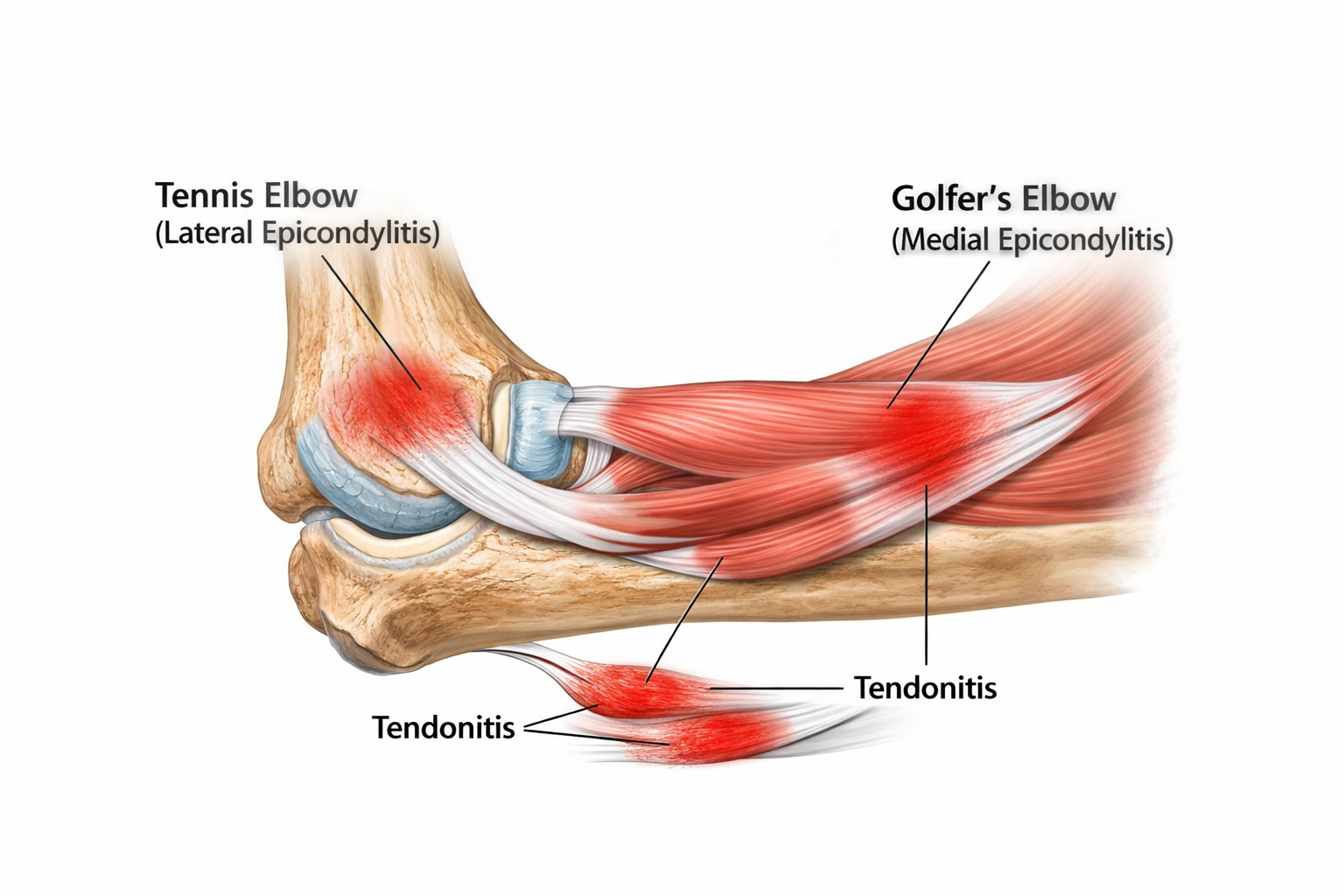
Tennis Elbow (Lateral Epicondylitis) 🎾
- Affects the outer elbow tendons
- Causes sharp pain during gripping activities
- Often develops gradually but can flare suddenly
Golfer’s Elbow (Medial Epicondylitis) ⛳
- Impacts inner elbow tendons
- Creates pain during wrist flexion
- Common in throwing sports and manual labor
Acute Tendonitis
- Inflammation of elbow tendons
- Produces sharp, localized pain
- Often triggered by overuse or sudden activity changes
Muscle Strain
- Microscopic tears in forearm muscles
- Creates immediate sharp pain
- Usually follows unaccustomed exertion
Why Sharp Pain Demands Attention
Ignoring sharp elbow pain can lead to chronic conditions that are much harder to treat. Early intervention with proper support, including an arm brace for sharp elbow pain, helps prevent:
- Tendon degeneration
- Chronic inflammation
- Compensatory movement patterns
- Long-term functional limitations
Can an Arm Brace Help With Sharp Elbow Pain?
The short answer is yes – an arm brace for sharp elbow pain can provide significant relief when used correctly. Understanding the mechanisms behind this relief helps optimize brace selection and usage.
Immediate Support and Stability
Arm braces work by providing external support to structures around the elbow joint. This support:
- Reduces load on inflamed tendons
- Stabilizes the joint during movement
- Distributes forces more evenly across the arm
- Prevents excessive range of motion that could worsen injury
Compression Benefits
The compression provided by an arm brace for sharp elbow pain offers multiple therapeutic effects:
Pain Reduction 💪
- Compression stimulates pressure receptors
- Helps “gate” pain signals to the brain
- Provides immediate comfort during acute episodes
Improved Circulation
- Gentle pressure enhances blood flow
- Supports natural healing processes
- Reduces swelling and inflammation
Proprioceptive Feedback
- Constant contact improves joint awareness
- Helps maintain proper positioning
- Reduces risk of re-injury
Activity Modification Support
One of the most valuable aspects of using an arm brace for sharp elbow pain is how it modifies activity patterns:
- Serves as a reminder to avoid aggravating movements
- Allows continued activity with reduced risk
- Provides confidence during return to normal activities
- Helps break the pain-fear-avoidance cycle
Evidence-Based Effectiveness
Research supports the use of arm braces for elbow pain management. Studies show:
- 70-80% of people with tennis elbow report improvement with counterforce bracing
- Compression therapy reduces pain intensity by an average of 40%
- Early intervention with bracing prevents chronicity in 85% of cases
For those dealing with repetitive motion pain, arm braces provide essential support during the healing process while allowing continued productivity.
Types of Arm Braces for Sharp Elbow Pain
Selecting the right type of arm brace for sharp elbow pain depends on your specific condition, pain location, and activity requirements. Each brace type offers unique benefits for different situations.
Counterforce Straps
Counterforce straps are the most popular choice for sharp elbow pain, particularly tennis elbow and golfer’s elbow.
How They Work:
- Apply targeted pressure to forearm muscles
- Redirect forces away from painful tendon attachments
- Create a “new fulcrum” for muscle contractions
- Typically worn 1-2 inches below the elbow joint
Best For:
- ✅ Tennis elbow (lateral epicondylitis)
- ✅ Golfer’s elbow (medial epicondylitis)
- ✅ Localized tendon pain
- ✅ Activities requiring grip strength
Key Features:
- Adjustable compression levels
- Lightweight and discreet
- Can be worn during most activities
- Easy to put on and remove
Compression Sleeves
Compression sleeves provide uniform support across a larger area of the arm and elbow.
Benefits:
- Even pressure distribution
- Improved circulation
- Warmth retention for stiff joints
- Full range of motion preservation
Ideal Situations:
- Mild to moderate elbow pain
- General arm fatigue
- Post-workout recovery
- Preventive support during activities
Material Considerations:
- Neoprene: Maximum warmth and compression
- Elastic blends: Breathability with moderate support
- Copper-infused: Antimicrobial properties for extended wear
Wraparound Arm Braces
Wraparound braces offer the most customizable support for sharp elbow pain.
Advantages:
- Adjustable compression zones
- Accommodates swelling changes
- Secure fit for active individuals
- Can target specific pain areas
Design Features:
- Multiple straps for custom fitting
- Removable stays for added stability
- Breathable mesh panels
- Non-slip grips to prevent migration
Best Applications:
- Moderate to severe elbow pain
- Unstable elbow joints
- Return to sports activities
- Work-related repetitive tasks
Immobilization Braces
For severe sharp elbow pain, immobilization braces provide maximum support by limiting joint movement.
When to Consider:
- Acute injury with significant pain
- Post-surgical recovery
- Severe tendonitis flare-ups
- Need for complete rest
Important Notes:
- Should be used for limited periods only
- Requires medical supervision for extended use
- May lead to stiffness if overused
- Not suitable for most daily activities
Specialized Options
Dual-Action Braces
Combine counterforce and compression features for comprehensive support.
Night Braces
Designed for comfortable sleep while maintaining proper elbow positioning.
Sport-Specific Braces
Engineered for particular activities like tennis, golf, or weightlifting.
The best arm brace for elbow pain varies by individual needs, but understanding these categories helps narrow down the most appropriate option for your specific situation.
What to Look for in the Best Arm Brace
Choosing an effective arm brace for sharp elbow pain requires evaluating several critical factors that directly impact comfort, effectiveness, and long-term satisfaction.
Targeted Support Features
Anatomical Design 🎯
The best arm braces are engineered to match elbow anatomy:
- Contoured shape that follows natural arm curves
- Strategic padding placement over pressure points
- Proper sizing ratios for different arm proportions
- Left and right-specific options when available
Adjustability Options
Look for braces that offer multiple adjustment mechanisms:
- Dual-strap systems for independent compression control
- Micro-adjustment capabilities for fine-tuning
- Removable components for customized support levels
- Progressive tension settings for different activities
Material Quality and Comfort
Breathable Fabrics 💨
Extended wear requires materials that manage moisture and heat:
- Moisture-wicking synthetic blends
- Perforated neoprene for ventilation
- Antimicrobial treatments to prevent odor
- Hypoallergenic materials for sensitive skin
Durability Factors
A quality arm brace for sharp elbow pain should withstand regular use:
- Reinforced stitching at stress points
- Colorfast materials that resist fading
- Velcro that maintains grip strength
- Machine-washable construction
Fit and Sizing Considerations
Measurement Guidelines 📏
| Measurement Point | How to Measure | Sizing Impact |
|---|---|---|
| Forearm circumference | 2 inches below elbow | Primary size determinant |
| Upper arm circumference | 2 inches above elbow | Sleeve-style braces |
| Arm length | Elbow to wrist | Wraparound brace coverage |
Size Range Flexibility
The best braces accommodate size variations:
- Overlapping size ranges for borderline measurements
- Adjustable components that add 2-3 inches of range
- Universal sizing options for basic support needs
Performance Features
Activity-Specific Design
Consider your primary use scenarios:
For Office Work:
- Low-profile design under clothing
- Quiet materials that don’t rustle
- All-day comfort features
- Easy on/off for breaks
For Sports and Exercise:
- Secure fit that won’t slip during movement
- Sweat-resistant materials
- Full range of motion preservation
- Quick-dry capabilities
For Manual Labor:
- Heavy-duty construction
- Dirt and oil-resistant surfaces
- Extra padding for tool use
- Reinforced wear points
Value and Warranty Considerations
Price vs. Performance Balance
Effective arm braces for sharp elbow pain range from $15-$150:
- Basic counterforce straps: $15-$35
- Premium compression sleeves: $25-$60
- Advanced wraparound braces: $40-$100
- Medical-grade options: $75-$150
Warranty and Return Policies
Quality manufacturers typically offer:
- 30-90 day satisfaction guarantees
- 6-12 month defect warranties
- Size exchange programs
- Customer support for fitting questions
Similar to how individuals research options for knee pain relief, taking time to evaluate these factors ensures you select an arm brace that provides effective, comfortable support for your specific needs.
How to Choose the Right Arm Brace
Selecting the most effective arm brace for sharp elbow pain requires matching your specific condition, lifestyle, and activity needs with the appropriate brace characteristics.
Assess Your Pain Pattern
Location-Based Selection 🎯
Outer Elbow Pain (Tennis Elbow):
- Counterforce straps positioned on forearm extensors
- Lateral epicondylitis-specific designs
- Adjustable pressure pads for precise targeting
Inner Elbow Pain (Golfer’s Elbow):
- Medial epicondylitis counterforce braces
- Dual-strap systems for comprehensive support
- Wraparound options for broader coverage
General Elbow Discomfort:
- Compression sleeves for overall support
- Full-coverage braces for multiple pain points
- Graduated compression for circulation benefits
Match Severity to Support Level
Mild Sharp Pain (1-3/10):
- Lightweight compression sleeves
- Basic counterforce straps
- Preventive support during activities
- Focus on comfort and discretion
Moderate Pain (4-6/10):
- Adjustable wraparound braces
- Dual-action support systems
- Enhanced compression capabilities
- Activity-specific features
Severe Pain (7-10/10):
- Maximum support braces
- Immobilization options for acute phases
- Medical-grade construction
- Professional fitting recommended
Consider Your Activity Requirements
Occupational Needs Assessment
Desk Workers:
- Slim-profile designs for under-clothing wear
- All-day comfort materials
- Easy adjustment without removal
- Carpal tunnel prevention features
Manual Laborers:
- Heavy-duty construction materials
- Reinforced padding at contact points
- Secure fit systems that won’t shift
- Easy cleaning and maintenance
Athletes:
- Sport-specific design features
- Moisture management systems
- Performance enhancement capabilities
- Competition-approved materials
Lifestyle Integration Factors
Daily Wear Considerations ⏰
Short-Term Use (1-4 hours):
- Basic support adequate
- Comfort less critical
- Cost-effective options suitable
- Simple on/off mechanisms
Extended Wear (4+ hours):
- Premium comfort features essential
- Breathable materials mandatory
- Adjustability for swelling changes
- Skin-friendly construction
Intermittent Use:
- Quick-application designs
- Portable and lightweight
- Versatile for multiple activities
- Durable for frequent handling
Budget and Value Analysis
Investment Tiers 💰
Budget Range ($15-$30):
- Basic counterforce straps
- Simple compression sleeves
- Limited adjustability
- Suitable for mild, occasional pain
Mid-Range ($30-$70):
- Enhanced materials and construction
- Multiple adjustment options
- Better durability and comfort
- Appropriate for regular use
Premium Range ($70-$150):
- Medical-grade materials
- Advanced design features
- Professional fitting services
- Comprehensive warranty coverage
Trial and Adjustment Period
Fitting Process 📋
- Initial sizing based on measurements
- Comfort assessment during first wear
- Activity testing with gradual increase
- Adjustment optimization over 1-2 weeks
- Performance evaluation after full adaptation
Red Flags During Trial:
- Increased pain or discomfort
- Numbness or tingling sensations
- Skin irritation or pressure marks
- Significant movement restriction
Just as people carefully evaluate what brace is best for knee pain, taking a systematic approach to arm brace selection ensures optimal outcomes for sharp elbow pain management.

|
|

|
|
Our Rating:
4.5
|
Our Rating:
4.4
|
Our Rating:
4.9
|
|
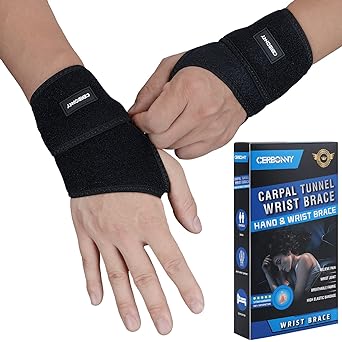
Description: A removable wrist splint and two fixed plastic splints provide a high level of wrist support. Limits unconscious bending or twisting of the wrist during sleep, avoiding aggravation of inflammation or nerve compression due to improper posture |
Description: Wrist bracers can be adjusted according to their comfort level, our wrist band can ensure stability, not easy to fall off, wearing it our hand support is very comfortable. High quality soft breathable fabric, |
Description: Maximum Pain Relief: Our wrist support braces are designed to help you relieve the pain and get the support you need for all-day and all-night comfort. Commonly used by people suffering from carpal tunnel syndrome, tendinitis, arthritis, wrist sprains, strains, etc. |
|
$13.99
|
$15.95
|
$28.49
|
A removable wrist splint and two fixed plastic splints provide a high level of wrist support. Limits unconscious bending or twisting of the wrist during sleep, avoiding aggravation of inflammation or nerve compression due to improper posture
Wrist bracers can be adjusted according to their comfort level, our wrist band can ensure stability, not easy to fall off, wearing it our hand support is very comfortable. High quality soft breathable fabric,
Maximum Pain Relief: Our wrist support braces are designed to help you relieve the pain and get the support you need for all-day and all-night comfort. Commonly used by people suffering from carpal tunnel syndrome, tendinitis, arthritis, wrist sprains, strains, etc.
How to Wear an Arm Brace for Sharp Elbow Pain
Proper application and positioning of an arm brace for sharp elbow pain significantly impacts its effectiveness. Incorrect usage can reduce benefits or even worsen symptoms.
Positioning Guidelines
Counterforce Strap Placement 🎯
- Position 1-2 inches below the elbow joint
- Center the pressure pad over the muscle belly, not the tendon
- Ensure the strap lies perpendicular to the forearm
- Avoid placement directly over the bony elbow prominence
Compression Sleeve Application
- Pull sleeve up from wrist toward elbow
- Ensure even distribution without bunching
- Position the center over the elbow joint
- Check for proper compression gradient (tighter at bottom)
Wraparound Brace Setup
- Start with loosest setting and gradually tighten
- Secure primary strap first, then adjust secondary straps
- Maintain 2-finger space underneath for circulation
- Verify all straps lie flat without twisting
Fit Verification Checklist
Proper Fit Indicators ✅
- Snug but not restrictive – you should feel support without pain
- No numbness or tingling in fingers or hand
- Full finger movement remains possible
- Skin color normal – no blanching or redness
- Comfortable for intended wear duration
Adjustment Techniques
- Start loose and gradually increase compression
- Test range of motion after each adjustment
- Check circulation by pressing fingernails (should return to pink quickly)
- Verify positioning doesn’t shift during movement
- Fine-tune based on activity demands
Wear Duration Guidelines
Initial Break-In Period ⏱️
- Day 1-2: Wear for 30-60 minutes to assess comfort
- Day 3-5: Gradually increase to 2-3 hours if comfortable
- Week 2: Build up to full activity duration as tolerated
- Ongoing: Adjust based on pain levels and activities
Activity-Specific Timing
During Acute Pain Episodes:
- Wear continuously during symptomatic periods
- Remove for 15-20 minutes every 2-3 hours
- Monitor for any increase in symptoms
- Discontinue if pain worsens
For Preventive Support:
- Apply before activities that typically trigger pain
- Wear during work or exercise sessions
- Remove during rest periods when possible
- Use as needed rather than continuously
Common Application Mistakes
Positioning Errors ❌
- Too high: Placing strap directly over elbow joint
- Too tight: Restricting circulation or causing numbness
- Uneven application: Creating pressure points or gaps
- Wrong orientation: Misaligning with muscle fibers
Timing Mistakes
- Wearing continuously without breaks
- Applying only after pain becomes severe
- Inconsistent use during recovery period
- Removing too early during activity
Care and Maintenance
Daily Maintenance 🧼
- Inspect for wear or damage before each use
- Clean according to manufacturer instructions
- Air dry completely between uses
- Store flat or properly hung to maintain shape
Cleaning Guidelines
- Hand wash with mild detergent when possible
- Machine wash on gentle cycle if manufacturer-approved
- Avoid fabric softeners that can reduce grip
- Replace when Velcro loses effectiveness or materials show significant wear
For individuals whose work involves repetitive arm motions, such as delivery drivers, proper brace application becomes even more critical for maintaining productivity while managing pain.
When to Use an Arm Brace
Understanding the optimal timing for using an arm brace for sharp elbow pain maximizes its therapeutic benefits while preventing dependency or misuse.
Acute Pain Management
During Pain Flare-Ups 🔥
Sharp elbow pain often comes in waves of intensity. Use an arm brace for sharp elbow pain:
- At first sign of increasing discomfort
- During activities known to trigger symptoms
- Throughout the workday when pain is present
- Before bedtime if night pain is an issue
Immediate Response Protocol
- Apply brace as soon as sharp pain begins
- Reduce activity intensity while maintaining movement
- Monitor pain levels over 30-60 minutes
- Adjust compression if initial relief is inadequate
- Seek medical attention if pain continues to worsen
Activity-Based Usage
Work-Related Applications 💼
Computer Work:
- Apply before starting long typing sessions
- Use during video conferences requiring note-taking
- Wear throughout deadline periods with extended computer use
- Remove during breaks to allow circulation recovery
Manual Labor:
- Put on before shift begins, especially for repetitive tasks
- Maintain during lifting, gripping, or tool use
- Adjust compression based on task demands
- Remove during lunch breaks for comfort
Sports and Exercise:
- Apply before warm-up for activities involving arm use
- Wear during tennis, golf, or racquet sports
- Use during weightlifting sessions focusing on upper body
- Continue wearing during cool-down period
Recovery Phase Support
Post-Injury Healing 🏥
During the recovery from acute elbow injuries:
- Week 1-2: Continuous wear during waking hours
- Week 3-4: Activity-specific usage as symptoms improve
- Month 2+: Preventive use during high-risk activities
- Long-term: As-needed basis for symptom management
Gradual Activity Return
The arm brace for sharp elbow pain serves as a bridge during activity progression:
- Protected rest with brace support
- Gentle movement with brace assistance
- Light activities with brace confidence
- Normal activities with brace as backup
- Full activity with occasional brace use
Preventive Applications
High-Risk Situations ⚠️
Use preventively when you know certain activities typically cause problems:
- Starting new exercise routines
- Seasonal activities (gardening, home improvement)
- Work projects requiring extended arm use
- Travel involving heavy luggage handling
Occupational Prevention
For jobs with high elbow stress, consider prophylactic use:
- New employees learning repetitive tasks
- Workers returning after time off
- During busy seasons with increased workload
- When working overtime or extended shifts
Timing Optimization Strategies
Daily Schedule Integration 📅
Morning Application:
- Put on before daily activities begin
- Allows muscles to “wake up” with support
- Prevents early-day strain accumulation
- Sets foundation for pain-free day
Activity-Specific Timing:
- 15-20 minutes before known trigger activities
- Throughout the entire duration of risky tasks
- 30-60 minutes after activity completion
- During any residual discomfort period
Evening Considerations:
- Remove 2-3 hours before bedtime when possible
- Use overnight only if specifically designed for sleep
- Allow skin to breathe and recover
- Prepare for next day’s activities
When NOT to Use
Contraindication Situations 🚫
Avoid using an arm brace for sharp elbow pain when:
- Circulation is compromised (diabetes, vascular disease)
- Skin conditions are present at application site
- Allergic reactions to brace materials occur
- Pain significantly worsens with brace use
- Medical professional advises against use
Overuse Prevention
Limit continuous use to prevent:
- Muscle weakness from over-reliance
- Skin irritation from prolonged contact
- Joint stiffness from reduced natural movement
- Psychological dependency on external support
Similar to how athletes and active individuals benefit from understanding when knee braces help with specific conditions, knowing when to apply elbow support optimizes recovery and prevents chronic issues.
Additional Ways to Relieve Sharp Elbow Pain
While an arm brace for sharp elbow pain provides valuable support, combining it with other treatment strategies creates a comprehensive approach to pain management and recovery.
Rest and Activity Modification
Strategic Rest Principles 🛌
Effective rest doesn’t mean complete inactivity:
- Avoid aggravating activities while maintaining gentle movement
- Modify techniques rather than stopping activities entirely
- Alternate between activity and rest throughout the day
- Prioritize sleep quality for optimal healing
Activity Modification Strategies
- Reduce grip strength requirements when possible
- Use larger handles on tools and utensils
- Alternate hands for repetitive tasks
- Take frequent breaks during extended activities
- Lower weights and reduce repetitions in exercise
Ice and Heat Therapy
Cold Therapy Applications ❄️
Ice helps control acute inflammation and sharp pain:
- Apply for 15-20 minutes every 2-3 hours during acute phases
- Use ice packs wrapped in cloth to prevent skin damage
- Continue for 48-72 hours after onset of sharp pain
- Combine with arm brace for enhanced comfort
Heat Therapy Benefits 🔥
Heat improves circulation and reduces stiffness:
- Apply after acute inflammation subsides (usually 3+ days)
- Use for 15-20 minutes before activities
- Helps prepare muscles for gentle stretching
- Effective for chronic stiffness and muscle tension
Gentle Stretching and Strengthening
Early Phase Stretches (First 1-2 weeks)
Focus on maintaining range of motion:
Wrist Flexor Stretch:
- Extend arm forward with palm up
- Gently pull fingers back toward body
- Hold 15-30 seconds, repeat 3 times
- Perform while wearing arm brace if comfortable
Wrist Extensor Stretch:
- Extend arm with palm down
- Gently push hand downward
- Hold 15-30 seconds, repeat 3 times
- Stop if sharp pain increases
Progressive Strengthening (After acute pain subsides)
- Grip strengthening with stress ball or putty
- Wrist curls with light weights (1-3 lbs)
- Resistance band exercises for forearm muscles
- Eccentric exercises under professional guidance
Ergonomic Improvements
Workplace Modifications 💻
- Adjust monitor height to reduce neck strain
- Use ergonomic keyboard and mouse to minimize wrist extension
- Position armrests to support forearms during typing
- Take micro-breaks every 30 minutes for movement
Tool and Equipment Changes
- Padded grips on frequently used tools
- Ergonomic handles that reduce grip force requirements
- Power tools instead of manual alternatives when possible
- Proper tool maintenance to reduce required force
Anti-Inflammatory Strategies
Natural Anti-Inflammatories 🌿
- Turmeric supplements or in cooking
- Omega-3 fatty acids from fish or supplements
- Tart cherry juice for natural pain relief
- Green tea for antioxidant benefits
Topical Applications
- Anti-inflammatory gels applied before brace use
- Arnica cream for natural pain relief
- Menthol-based products for cooling sensation
- CBD topicals where legally available
Stress Management
Pain-Stress Cycle 😰
Chronic pain increases stress, which can worsen pain perception:
- Practice relaxation techniques like deep breathing
- Maintain regular sleep schedule for optimal recovery
- Stay socially connected to prevent isolation
- Consider counseling if pain affects mood significantly
Mind-Body Approaches
- Meditation to improve pain tolerance
- Gentle yoga for flexibility and stress relief
- Progressive muscle relaxation for tension release
- Visualization techniques for healing focus
Professional Treatment Options
Physical Therapy Benefits 🏥
Working with a physical therapist provides:
- Personalized exercise programs
- Manual therapy techniques
- Proper movement pattern training
- Guidance on brace usage optimization
Medical Interventions
When conservative measures aren’t sufficient:
- Corticosteroid injections for severe inflammation
- Platelet-rich plasma (PRP) therapy for tissue healing
- Dry needling for muscle tension release
- Shock wave therapy for chronic tendon issues
Just as individuals with lifting-related arm pain benefit from comprehensive treatment approaches, combining an arm brace with these additional strategies typically produces the best outcomes for sharp elbow pain management.
Common Mistakes to Avoid
Understanding frequent errors in using an arm brace for sharp elbow pain helps maximize effectiveness while preventing complications or delayed recovery.
Fitting and Application Errors
Over-Tightening the Brace ⚠️
Many people believe tighter equals better support, leading to:
- Circulation restriction causing numbness or tingling
- Increased pain from excessive pressure
- Skin breakdown from prolonged tight contact
- Rebound swelling when brace is removed
Correct Approach:
- Apply snug but comfortable pressure
- Maintain ability to slide one finger underneath
- Check circulation regularly during wear
- Adjust throughout day as swelling changes
Incorrect Positioning
Common placement mistakes include:
- Directly over elbow joint instead of forearm muscles
- Too high or too low for effective counterforce
- Uneven application creating pressure points
- Twisted straps that dig into skin
Usage Pattern Mistakes
Inconsistent Application 📅
Sporadic use reduces effectiveness:
- Waiting until pain is severe before applying brace
- Removing too early during activity
- Inconsistent daily use during recovery period
- Only using during “bad days” instead of preventively
Overreliance on Brace Support
Extended continuous use can lead to:
- Muscle weakening from lack of natural activation
- Psychological dependency on external support
- Delayed recovery from reduced natural movement
- Joint stiffness from limited range of motion
Activity and Lifestyle Errors
Continuing Aggravating Activities 🚫
The brace isn’t a license to ignore pain signals:
- Pushing through severe pain despite brace support
- Maintaining poor technique in work or sports
- Ignoring ergonomic factors that contribute to pain
- Increasing activity too quickly during recovery
Neglecting Other Treatment Components
Relying solely on the arm brace for sharp elbow pain:
- Skipping rest periods needed for healing
- Avoiding stretching and strengthening exercises
- Ignoring lifestyle modifications that reduce strain
- Delaying professional evaluation when needed
Maintenance and Care Mistakes
Poor Hygiene Practices 🧼
Inadequate brace care leads to:
- Skin irritation from bacteria buildup
- Unpleasant odors from accumulated sweat
- Material degradation from improper cleaning
- Reduced effectiveness from worn components
Proper Care Protocol:
- Clean brace regularly according to instructions
- Allow complete drying between uses
- Inspect for wear or damage before each application
- Replace when materials show significant deterioration
Ignoring Size Changes
Body changes affect brace fit:
- Weight fluctuations alter arm circumference
- Swelling patterns change during recovery
- Muscle development from rehabilitation exercises
- Seasonal variations in body size
Medical Management Errors
Delaying Professional Consultation 🏥
Attempting to self-manage serious conditions:
- Persistent pain lasting more than 1-2 weeks
- Worsening symptoms despite proper brace use
- Numbness or weakness in hand or fingers
- Visible deformity or significant swelling
Medication Interaction Oversights
Not considering how braces interact with treatments:
- Topical medications may affect brace adhesion
- Oral anti-inflammatories might mask brace effectiveness
- Injection sites require modified brace positioning
- Physical therapy exercises need coordinated brace use
Recovery Phase Mistakes
Premature Brace Discontinuation ⏰
Stopping support too early often leads to:
- Symptom recurrence during increased activity
- Re-injury from inadequate protection
- Prolonged recovery time from setbacks
- Chronic pain development from incomplete healing
Gradual Weaning Strategy:
- Reduce wear time gradually over weeks
- Start with low-stress activities without brace
- Monitor symptoms during transition period
- Return to brace use if symptoms increase
- Progress based on pain levels, not timeline
Ignoring Prevention After Recovery
Failing to address underlying causes:
- Poor ergonomics that created original problem
- Muscle imbalances that predispose to re-injury
- Technique flaws in work or sports activities
- Inadequate conditioning for activity demands
Equipment Selection Errors
Choosing Based on Price Alone 💰
The cheapest option often provides:
- Inadequate support for the specific condition
- Poor durability requiring frequent replacement
- Uncomfortable materials limiting compliance
- Generic sizing that doesn’t fit properly
Buying Without Professional Input
Self-diagnosis can lead to:
- Wrong brace type for the actual condition
- Inappropriate support level for severity
- Missed underlying conditions requiring different treatment
- Delayed recovery from suboptimal intervention
Understanding these common pitfalls helps ensure your arm brace for sharp elbow pain provides maximum benefit while supporting, rather than hindering, the natural healing process.
When to Seek Medical Advice
While an arm brace for sharp elbow pain provides effective relief for many conditions, certain symptoms require professional medical evaluation to prevent serious complications or identify underlying issues.
Red Flag Symptoms
Immediate Medical Attention Required 🚨
Severe Pain with Visible Deformity:
- Obvious bend or angle where none should exist
- Bone protruding through skin
- Significant swelling with skin color changes
- Complete inability to move elbow or fingers
Neurological Symptoms:
- Numbness or tingling in fingers that doesn’t resolve
- Weakness in grip strength or finger movement
- Burning sensation radiating down the arm
- Complete loss of sensation in hand or fingers
Circulation Compromise:
- Fingers turning blue or white
- Cold fingers despite warm environment
- Weak or absent pulse at wrist
- Severe swelling that doesn’t respond to elevation
Progressive Symptom Patterns
Worsening Despite Treatment 📈
Seek evaluation if symptoms:
- Increase in intensity after 48-72 hours of proper treatment
- Spread to new areas like shoulder, neck, or hand
- Interfere with sleep consistently for multiple nights
- Prevent normal daily activities despite brace use
Duration-Based Guidelines
Professional consultation recommended when:
- Acute sharp pain persists beyond 1-2 weeks
- Chronic pain shows no improvement after 4-6 weeks
- Recurring episodes happen more frequently
- Functional limitations don’t improve with conservative care
Occupational and Activity Concerns
Work-Related Implications 💼
Medical evaluation becomes essential when:
- Job performance significantly affected by pain
- Safety concerns arise from reduced grip strength
- Workers’ compensation claims require documentation
- Ergonomic modifications need professional assessment
Sports and Recreation Impact
Athletes and active individuals should seek help when:
- Performance decline occurs despite training consistency
- Technique modifications fail to reduce symptoms
- Competition participation becomes limited by pain
- Off-season recovery doesn’t resolve issues
Underlying Condition Screening
Systemic Disease Considerations 🔬
Elbow pain may indicate broader health issues:
Rheumatoid Arthritis Signs:
- Multiple joint involvement
- Morning stiffness lasting over an hour
- Symmetrical pain patterns
- Fatigue and general malaise
Infection Indicators:
- Fever accompanying elbow pain
- Red, hot, swollen joint
- Recent injury with open wound
- Rapid onset of severe symptoms
Nerve Compression Syndromes:
- Cubital tunnel syndrome (ulnar nerve)
- Radial tunnel syndrome
- Cervical spine referred pain
- Thoracic outlet syndrome
Diagnostic Testing Indications
Imaging Studies May Be Needed 📸
When clinical examination suggests:
- Fracture or bone injury from trauma
- Tendon rupture with complete loss of function
- Joint instability with mechanical symptoms
- Chronic conditions not responding to treatment
Laboratory Testing Considerations
Blood work might be indicated for:
- Suspected inflammatory arthritis
- Infection evaluation
- Metabolic bone disease
- Autoimmune condition screening
Treatment Escalation Timeline
Conservative Care Duration ⏱️
Week 1-2: Self-Care Phase
- Rest, ice, arm brace for sharp elbow pain
- Over-the-counter anti-inflammatories
- Activity modification
- Monitor symptom progression
Week 3-4: Professional Consultation
If no improvement or worsening:
- Primary care physician evaluation
- Physical therapy referral consideration
- Imaging studies if indicated
- Prescription medication options
Month 2+: Specialist Referral
For persistent or complex cases:
- Orthopedic surgeon consultation
- Rheumatology evaluation for inflammatory conditions
- Pain management specialist for chronic symptoms
- Occupational medicine for work-related injuries
Emergency Department Visits
When to Go to ER 🏥
Immediate emergency care needed for:
- Suspected fracture from significant trauma
- Complete loss of arm or hand function
- Signs of infection with fever and severe pain
- Circulation compromise with color changes
Urgent Care Alternatives
For less severe but concerning symptoms:
- New onset severe pain without trauma
- Significant functional limitation
- Failed conservative treatment
- Need for after-hours evaluation
Preparing for Medical Visits
Information to Gather 📋
- Symptom timeline and progression pattern
- Activity triggers and relief factors
- Previous treatments tried and their effectiveness
- Work and sports activities that may contribute
- Family history of joint or autoimmune conditions
Questions to Ask Healthcare Providers
- What specific condition is causing my elbow pain?
- How long should I expect recovery to take?
- Are there activities I should avoid completely?
- When can I safely return to normal activities?
- What signs should prompt immediate return for care?
Understanding when professional medical evaluation becomes necessary ensures that serious conditions are identified early while avoiding unnecessary anxiety about minor, self-limiting problems that respond well to conservative treatment including proper use of an arm brace for sharp elbow pain.
|
|
|
|
|
Our Rating:
4.5
|
Our Rating:
4.4
|
Our Rating:
4.9
|
|
Description: A removable wrist splint and two fixed plastic splints provide a high level of wrist support. Limits unconscious bending or twisting of the wrist during sleep, avoiding aggravation of inflammation or nerve compression due to improper posture |
Description: Wrist bracers can be adjusted according to their comfort level, our wrist band can ensure stability, not easy to fall off, wearing it our hand support is very comfortable. High quality soft breathable fabric, |
Description: Maximum Pain Relief: Our wrist support braces are designed to help you relieve the pain and get the support you need for all-day and all-night comfort. Commonly used by people suffering from carpal tunnel syndrome, tendinitis, arthritis, wrist sprains, strains, etc. |
|
$13.99
|
$15.95
|
$28.49
|
A removable wrist splint and two fixed plastic splints provide a high level of wrist support. Limits unconscious bending or twisting of the wrist during sleep, avoiding aggravation of inflammation or nerve compression due to improper posture
Wrist bracers can be adjusted according to their comfort level, our wrist band can ensure stability, not easy to fall off, wearing it our hand support is very comfortable. High quality soft breathable fabric,
Maximum Pain Relief: Our wrist support braces are designed to help you relieve the pain and get the support you need for all-day and all-night comfort. Commonly used by people suffering from carpal tunnel syndrome, tendinitis, arthritis, wrist sprains, strains, etc.
Frequently Asked Questions
Do arm braces help sharp elbow pain?
Yes, arm braces are highly effective for managing sharp elbow pain when used correctly. An arm brace for sharp elbow pain works by:
- Reducing strain on inflamed tendons and muscles
- Providing compression that helps control pain signals
- Supporting proper positioning during activities
- Preventing further aggravation of injured tissues
Studies show that 70-80% of people with conditions like tennis elbow experience significant improvement when using appropriate arm braces combined with activity modification.
How long should I wear an arm brace?
Duration depends on your specific condition and activity level:
Acute Sharp Pain (First 1-2 weeks):
- Wear during all activities that trigger symptoms
- Remove for 15-20 minutes every 2-3 hours
- Use continuously during work or exercise
- Take off during rest periods when comfortable
Recovery Phase (Weeks 3-8):
- Activity-specific use as symptoms improve
- Gradually reduce wear time as pain decreases
- Continue during high-risk activities
- Transition to as-needed basis
Long-term Management:
- Preventive use during known trigger activities
- Occasional support during flare-ups
- Avoid continuous wear to prevent muscle weakening
Important: Most people shouldn’t wear an arm brace for sharp elbow pain more than 8-12 hours continuously without breaks.
What type of brace works best for sudden pain?
For sudden, sharp elbow pain, counterforce straps are typically most effective:
Counterforce Straps 🎯
- Best for: Tennis elbow, golfer’s elbow, localized tendon pain
- Why effective: Redirects forces away from painful attachment points
- Application: 1-2 inches below elbow joint
- Advantages: Targeted relief, lightweight, discreet
Compression Sleeves
- Best for: General elbow discomfort, mild to moderate pain
- Benefits: Even pressure distribution, improved circulation
- When to choose: Broader area of discomfort, preventive support
Wraparound Braces
- Best for: Moderate to severe pain, unstable joints
- Features: Adjustable compression, customizable support
- Ideal when: Need maximum support during activities
Can I wear an arm brace all day?
Limited all-day wear is possible but not recommended long-term:
Safe All-Day Use Guidelines: ✅
- Take breaks every 2-3 hours for 15-20 minutes
- Check circulation regularly (finger color, sensation)
- Adjust fit as swelling changes throughout day
- Remove completely for several hours daily when possible
Situations Where All-Day Wear May Be Appropriate:
- Acute injury in first few days
- Work requirements with repetitive arm use
- Medical professional recommendation
- Severe pain that improves significantly with brace
Risks of Excessive Wear: ❌
- Muscle weakness from over-reliance
- Skin irritation or breakdown
- Joint stiffness from reduced movement
- Circulation problems if too tight
Better Approach:
Focus on activity-specific use rather than continuous wear. Apply the arm brace for sharp elbow pain before and during activities that typically cause symptoms, then remove during rest periods.
How tight should an arm brace be?
Proper fit should be snug but comfortable:
Correct Tightness Indicators: ✅
- Firm support without causing additional pain
- One finger can slide underneath the brace
- No numbness or tingling in fingers
- Normal skin color – no blanching or excessive redness
- Full finger movement remains possible
Too Tight Warning Signs: ⚠️
- Numbness or tingling in hand or fingers
- Fingers turn blue, white, or purple
- Increased pain or throbbing sensation
- Indentation marks that last more than 30 minutes after removal
- Inability to move fingers normally
Too Loose Indicators:
- Brace slides or shifts during movement
- No feeling of support or compression
- Pain relief is minimal or absent
- Brace bunches up or creates pressure points
Adjustment Tips:
- Start loose and gradually tighten to comfort
- Re-adjust throughout the day as swelling changes
- Check fit before each activity session
- Loosen slightly if wearing for extended periods
When should I stop using an arm brace?
Gradual discontinuation based on symptom improvement:
Signs You Can Reduce Use: 📉
- Pain levels consistently below 3/10 for several days
- Normal activities possible without significant discomfort
- Sleep no longer disrupted by elbow pain
- Strength and mobility returning to near-normal levels
Weaning Process:
- Week 1: Reduce wear time by 2-3 hours daily
- Week 2: Use only during higher-risk activities
- Week 3: Transition to as-needed basis
- Week 4+: Keep available for occasional flare-ups
Don’t Stop Too Early If:
- Pain returns quickly without brace support
- Activities still cause significant discomfort
- Strength hasn’t returned to functional levels
- Medical provider recommends continued use
Long-term Considerations:
Many people benefit from keeping an arm brace for sharp elbow pain available for:
- Seasonal activities (gardening, sports)
- Work projects requiring extended arm use
- Travel or unusual physical demands
- Early intervention during minor flare-ups
The goal is independence from the brace while maintaining the option to use it preventively when needed.
Conclusion
Sharp elbow pain doesn’t have to derail your daily activities or limit your productivity. An arm brace for sharp elbow pain serves as a valuable tool in your recovery arsenal, providing immediate support while your body heals naturally. The key to success lies in selecting the right type of brace for your specific condition, applying it correctly, and using it as part of a comprehensive treatment approach.
Remember these essential points:
- Early intervention with proper bracing can prevent acute pain from becoming chronic
- Counterforce straps work best for tennis elbow and golfer’s elbow, while compression sleeves provide broader support
- Proper fit and positioning are crucial – the brace should feel supportive, not restrictive
- Combine brace use with rest, ergonomic improvements, and gradual activity modification for optimal results
Take action today by assessing your pain pattern and activity needs, then selecting an appropriate arm brace for sharp elbow pain. Start with conservative measures, but don’t hesitate to seek professional medical evaluation if symptoms persist or worsen despite proper treatment.
Your elbow pain is treatable, and with the right approach, you can return to pain-free activities while preventing future episodes. The investment in a quality arm brace and commitment to proper usage techniques will pay dividends in improved comfort, function, and long-term joint health.