

Over 65% of office workers experience arm discomfort from repetitive tasks, yet most reach for heavy-duty braces that restrict their natural movement. This approach often creates more problems than it solves, leaving people feeling constrained and uncomfortable throughout their workday.
The solution lies in finding the right balance between support and flexibility. An arm brace for light support daily use provides gentle assistance without limiting your range of motion, making it perfect for everyday activities. Whether you’re typing at a computer, lifting light objects, or performing routine tasks, the right light support brace can reduce strain while keeping you comfortable and mobile.
This comprehensive guide explores everything you need to know about choosing and using an arm brace for light support daily use. From understanding who benefits most from light support to selecting the perfect brace for your specific needs, you’ll discover how to maintain comfort and prevent minor issues from becoming major problems.
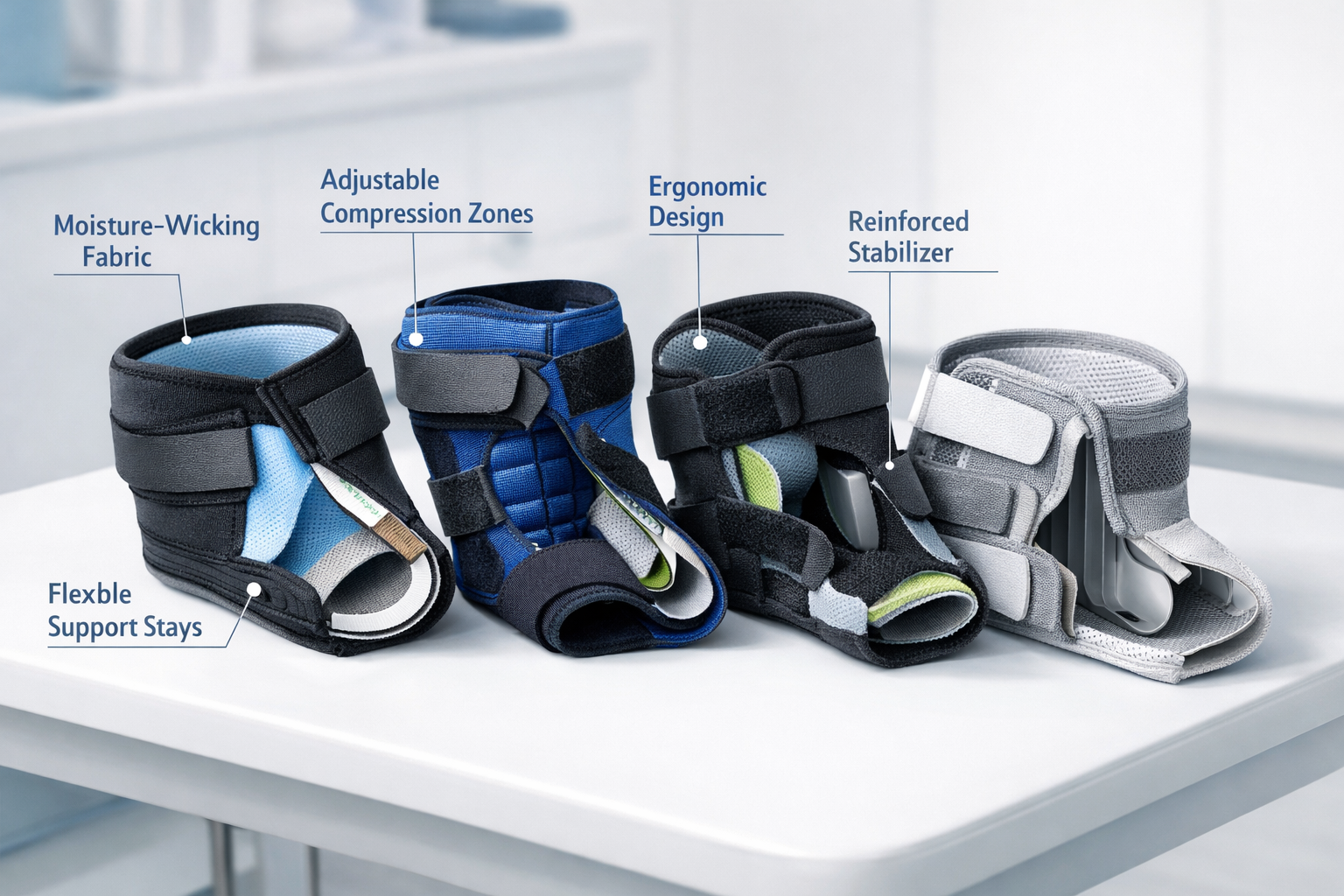
Key Takeaways
• Light support braces offer gentle compression and mild stabilization without restricting natural movement patterns
• Compression sleeves and soft wraparound designs work best for daily wear and repetitive motion activities
• Proper fit is crucial – the brace should feel snug but never tight, allowing full range of motion
• Preventive use during high-risk activities can help avoid minor strains from developing into serious injuries
• Combined approach works best when pairing light support with ergonomic improvements and regular breaks
Who Needs Light Support?
Light support arm braces serve a specific population dealing with mild discomfort rather than acute injuries. Understanding whether you fall into this category helps determine if an arm brace for light support daily use is the right choice for your situation.
People with mild discomfort or early-stage strain often benefit most from light support options. This includes individuals experiencing occasional soreness after long work sessions, minor stiffness in the morning, or fatigue during repetitive activities. The key indicator is that symptoms remain manageable and don’t significantly impact daily function.
Office workers and those with repetitive tasks represent the largest group needing light support. Computer users, cashiers, assembly line workers, and anyone performing repetitive motions for extended periods can develop cumulative strain. Light support helps reduce this accumulation without interfering with job performance.
Individuals recovering from minor overuse may transition to light support as they heal. After addressing acute symptoms with rest or more substantial support, a light brace can provide confidence and gentle protection during the return to normal activities. This bridges the gap between recovery and full independence.
Those looking for preventive support use light braces proactively. Athletes during light training, weekend warriors tackling home projects, or anyone anticipating increased arm use can benefit from preventive support. This approach helps avoid problems before they start.
The situations where flexibility is more important than rigidity define when light support excels. Activities requiring fine motor skills, full range of motion, or extended wear periods all favor lighter options. Heavy braces can create compensation patterns and discomfort that defeat their purpose.
For more specialized arm support needs, consider exploring options for repetitive motion pain relief or workplace-specific solutions.
Benefits of Light Support Arm Braces
Light support braces offer unique advantages that make them ideal for daily wear and mild discomfort management. Understanding these benefits helps you appreciate why an arm brace for light support daily use might be more effective than heavier alternatives for certain situations.
Reduces mild strain and fatigue represents the primary benefit of light support. These braces provide gentle compression that improves blood flow and reduces muscle oscillation during movement. This subtle support helps muscles work more efficiently, reducing the accumulation of fatigue throughout the day. Users often report feeling less tired and sore after extended periods of activity.
Improves comfort during daily activities by providing a sense of stability without restriction. The gentle pressure and warmth from light support can reduce minor aches and create a feeling of security during movement. This psychological benefit often proves as valuable as the physical support, giving users confidence to maintain their normal activity levels.
Maintains natural movement and flexibility sets light support apart from rigid braces. The design allows full range of motion while providing subtle guidance and support. This means you can type, write, lift, and perform other daily tasks without feeling constrained or awkward. The brace works with your natural movement patterns rather than against them.
Helps prevent minor issues from worsening through early intervention. Light support can interrupt the cycle of strain, compensation, and increased stress that often leads to more serious problems. By addressing mild discomfort early, users can avoid the progression to chronic pain or acute injury that might require more intensive treatment.
The cumulative effect of these benefits creates a positive cycle where reduced strain leads to better function, which in turn prevents further problems. This makes light support braces particularly valuable for long-term management of mild arm discomfort.
If you’re dealing with specific conditions like tennis elbow, you might benefit from exploring specialized tennis elbow support options alongside general light support solutions.
Types of Arm Braces for Light Daily Support
Understanding the different types of light support braces helps you choose the most appropriate option for your specific needs and lifestyle. Each type offers distinct advantages depending on your activities and comfort preferences.
Compression Sleeves
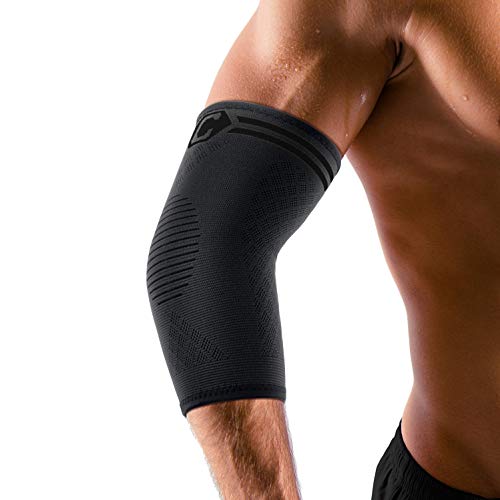
Compression sleeves provide the gentlest form of support through graduated pressure along the arm. These seamless, sock-like garments slip over the arm and deliver consistent compression without any rigid components or adjustable straps.
The even pressure distribution helps improve circulation and reduce swelling while providing subtle muscle support. This makes compression sleeves ideal for conditions involving mild inflammation or fatigue. The compression also helps reduce muscle vibration during movement, which can decrease soreness and improve endurance.
All-day wear comfort represents the biggest advantage of compression sleeves. The smooth, breathable materials feel comfortable against the skin for extended periods. Most users forget they’re wearing them, making these sleeves perfect for office work, light physical activity, or any situation requiring long-term wear.
The moisture-wicking properties of quality compression sleeves help maintain skin health during extended use. Look for sleeves made from synthetic blends or merino wool that pull sweat away from the skin while maintaining their compression properties.
Soft Support Braces
Soft support braces offer slightly more structure than compression sleeves while maintaining excellent comfort for daily wear. These braces typically feature padded panels, gentle stays, or targeted compression zones that provide support where needed most.
The minimal structure design focuses support on specific areas like the elbow or forearm without creating bulk or restriction. This targeted approach can be more effective than general compression for certain types of discomfort, particularly around joints or specific muscle groups.
Adjustability options in soft support braces allow fine-tuning of fit and compression levels. Velcro straps or elastic panels let users customize the support throughout the day as activities and comfort needs change. This flexibility makes soft braces versatile for varying daily demands.
Flexible Wraparound Braces
Flexible wraparound braces combine the benefits of compression with adjustable support through wraparound designs that conform to your arm’s shape. These braces typically feature elastic or neoprene materials with adjustable closures.
The customizable fit allows users to adjust compression and support levels based on activity and comfort needs. This makes wraparound braces excellent for people whose symptoms vary throughout the day or who need different support levels for different activities.
Easy application and removal makes these braces practical for intermittent use. Users can quickly put them on before activities that trigger discomfort and remove them when support isn’t needed. This convenience encourages consistent use when appropriate.
Hybrid Light-Support Braces
Hybrid designs combine elements from different brace types to create versatile solutions for varied daily needs. These might include compression sleeves with removable support panels or soft braces with targeted compression zones.
The balanced approach provides both general support and specific stabilization without becoming overly restrictive. This makes hybrid braces suitable for users who need more than basic compression but don’t want the bulk of traditional rigid braces.
Adaptability allows these braces to serve multiple functions throughout the day. Users might wear them as simple compression sleeves during office work and add support elements for more demanding activities.
For those needing support during sleep, consider exploring specialized sleeping support options that complement daily use braces.
|

|

|
|
Description: TARGETED PAIN RELIEF & BOOSTED RECOVERY - Engineered with graduated compression, our elbow sleeves apply targeted support to key joint areas to help relieve discomfort associated with tennis elbow, tendonitis, and arthritis. |
Description: GOOD PERFORMANCE - The elbow brace applies even pressure to the elbow joint and elbow muscles, which can relieve tennis elbow, tendonitis, joint inflammation, golfer's elbow and other elbow pains, etc. |
Description: Our elbow brace is great for treating tendonitis, arthritis, sprained bones, strained ligaments, cubital Tunnel,ulnar nerve. Provides optimal support and compression to the elbow joint, reducing pain and preventing further injury during activities |
|
Our Rating:
4.8
|
Our Rating:
4.5
|
Our Rating:
4.4
|
|
$8.49
|
$11.99
|
$7.97
|
TARGETED PAIN RELIEF & BOOSTED RECOVERY - Engineered with graduated compression, our elbow sleeves apply targeted support to key joint areas to help relieve discomfort associated with tennis elbow, tendonitis, and arthritis.
GOOD PERFORMANCE - The elbow brace applies even pressure to the elbow joint and elbow muscles, which can relieve tennis elbow, tendonitis, joint inflammation, golfer's elbow and other elbow pains, etc.
Our elbow brace is great for treating tendonitis, arthritis, sprained bones, strained ligaments, cubital Tunnel,ulnar nerve. Provides optimal support and compression to the elbow joint, reducing pain and preventing further injury during activities
What to Look for in the Best Light Support Arm Brace
Selecting the right arm brace for light support daily use requires careful consideration of several key factors that impact both effectiveness and comfort. These criteria help ensure you choose a brace that meets your specific needs and lifestyle demands.
Lightweight and breathable materials form the foundation of any good light support brace. Look for fabrics that combine synthetic fibers like polyester or nylon with spandex or elastane for stretch and recovery. These materials should feel soft against the skin while providing adequate support. Mesh panels or perforated sections enhance breathability, preventing moisture buildup during extended wear.
Moisture-wicking properties become crucial for all-day comfort. Quality materials should pull sweat away from the skin and allow it to evaporate quickly. This prevents skin irritation, odor, and the breakdown of elastic properties that can occur with prolonged moisture exposure. Many modern braces incorporate antimicrobial treatments to further enhance hygiene.
Comfortable fit for long wear requires attention to seam construction and edge finishing. Flat-seam construction prevents chafing, while soft, rolled edges avoid creating pressure points or cutting into the skin. The brace should feel like a natural extension of your arm rather than a foreign object.
Flexible design that allows full movement ensures the brace won’t interfere with daily activities. Test the brace through your full range of motion – bending, straightening, rotating, and flexing your arm and wrist. The material should stretch and recover without binding or creating uncomfortable pressure points during movement.
Adjustable but not overly restrictive features help customize fit and support levels. Simple adjustment mechanisms like velcro straps or elastic panels work better than complex systems for light support applications. The goal is fine-tuning rather than major structural changes.
Proper sizing options ensure optimal fit and function. Many manufacturers offer detailed sizing charts based on arm circumference measurements at specific points. Take accurate measurements and choose the size that provides snug but comfortable compression without cutting off circulation.
Durability considerations include reinforced stress points, quality elastic materials, and fade-resistant colors. A good light support brace should maintain its compression and support properties through regular washing and extended use.
Easy care instructions make daily use more practical. Look for braces that can be machine washed and air dried without losing their properties. Some materials require special care that may not be convenient for daily use items.
When selecting support for specific activities, you might also want to explore lifting-specific support options or general elbow pain solutions to complement your daily use brace.
How to Choose the Right Arm Brace
Selecting the most appropriate arm brace for light support daily use involves matching your specific needs with the right type and features. This systematic approach helps ensure you get maximum benefit from your investment.
Prioritize comfort over heavy support when dealing with mild symptoms. The temptation often exists to choose more support than necessary, thinking it will provide better results. However, excessive support can create dependency, restrict natural movement, and cause discomfort during extended wear. Light support that you’ll actually use consistently proves more beneficial than heavy support that sits unused.
Match brace type to your daily activities by considering when and how you’ll use the support. Office workers spending long hours at computers benefit from compression sleeves that provide consistent, gentle support without interfering with typing or mouse use. People with more varied activities might prefer adjustable wraparound designs that can be modified throughout the day.
Consider activity-specific needs such as fine motor control requirements, range of motion demands, and duration of use. Tasks requiring precise hand movements favor minimal, low-profile designs. Activities involving lifting or reaching benefit from slightly more structured support around the elbow area.
Evaluate your daily schedule to determine optimal wearing patterns. Some people need all-day support, while others benefit from targeted use during specific activities. This consideration affects material choices, adjustability needs, and overall design preferences.
Assess your comfort priorities including temperature sensitivity, skin sensitivity, and personal preferences for fit and feel. Some people prefer the security of wraparound designs, while others favor the simplicity of pull-on sleeves. Neither choice is inherently better – it depends on individual preferences and needs.
Consider seasonal factors that might affect material choices and breathability needs. Summer use requires maximum breathability and moisture management, while winter use might allow for slightly thicker materials that provide additional warmth.
Budget considerations should balance initial cost with durability and effectiveness. A slightly more expensive brace that lasts longer and provides better comfort often proves more economical than cheaper options requiring frequent replacement.
Trial periods and return policies offered by many manufacturers allow you to test the brace in real-world conditions. Take advantage of these opportunities to ensure the brace meets your expectations for comfort and effectiveness.
For specific guidance on choosing support for different conditions, explore resources on how to choose the best arm brace for comprehensive selection criteria.
How to Wear an Arm Brace for Daily Light Support
Proper application and wearing technique maximize the benefits of your arm brace for light support daily use while ensuring comfort throughout the day. Following these guidelines helps you get the most from your support while avoiding common problems.
Position correctly on the forearm or elbow based on your specific needs and the brace design. Most light support braces work best when centered over the area of discomfort or strain. For general forearm support, position the brace about 2-3 inches below the elbow. For elbow-specific issues, center the brace over the joint while ensuring it doesn’t restrict bending.
Ensure proper alignment by checking that the brace sits straight and doesn’t twist around your arm during movement. Twisted braces can create pressure points and reduce effectiveness. The seams and any structural elements should align with the natural contours of your arm.
Keep it snug but not tight to provide support without restricting circulation or movement. You should be able to slide one finger under the brace comfortably, but it shouldn’t feel loose or shift significantly during activity. The compression should feel supportive rather than restrictive.
Check circulation regularly especially during initial use or when adjusting fit. Signs of too-tight application include numbness, tingling, color changes in the skin, or increased swelling. If any of these occur, loosen or remove the brace immediately.
Wear during activities that cause mild discomfort rather than constantly throughout the day. This targeted approach provides support when needed while allowing your arm to function naturally during low-stress activities. Many people find wearing the brace during work hours and removing it during rest periods works well.
Monitor skin condition under the brace, especially during extended wear periods. Look for signs of irritation, redness, or moisture buildup. Clean, dry skin helps prevent problems and maintains comfort during long-term use.
Remove periodically to allow rest and skin recovery. Even the most comfortable brace benefits from periodic removal to allow air circulation and prevent skin issues. Use natural break times like lunch or bathroom visits to briefly remove and readjust the brace.
Adjust throughout the day as needed based on activity levels and comfort. Your arm may swell slightly during the day or your activities may change, requiring minor adjustments to maintain optimal support and comfort.
Maintain proper hygiene by washing the brace regularly according to manufacturer instructions. Clean braces last longer, smell better, and reduce the risk of skin irritation from bacteria or accumulated sweat.
When to Use Light Support Braces
Understanding the optimal timing and situations for wearing an arm brace for light support daily use helps maximize benefits while avoiding overuse. Strategic application ensures you get support when needed without creating dependency or interfering with natural healing.
During work or repetitive tasks represents the most common and beneficial use pattern. Put on your light support brace before starting activities that typically cause discomfort or fatigue. This proactive approach helps prevent strain accumulation rather than trying to address it after symptoms develop.
Computer work sessions benefit from consistent light support, especially during long periods of typing or mouse use. The gentle compression and support can reduce the micro-trauma that accumulates during repetitive motions, helping prevent the development of overuse injuries.
Manual labor activities even at light intensity can benefit from preventive support. Tasks like painting, cleaning, gardening, or light construction work involve repetitive motions that can strain the arm muscles and joints over time.
While doing light physical activity such as recreational sports, exercise, or hobby activities that involve arm use. Light support can provide confidence and reduce fatigue during activities like tennis, golf, swimming, or weightlifting without restricting performance.
When experiencing mild fatigue or soreness from previous activities. Light support can help reduce discomfort and prevent compensation patterns that might lead to problems in other areas. This is particularly useful the day after unaccustomed activity or exercise.
As a preventive measure before activities known to cause problems. If you know certain tasks or activities typically result in arm discomfort, wearing light support proactively can help prevent or reduce symptoms.
During flare-ups of chronic conditions like mild arthritis or tendinitis. Light support can provide comfort and gentle stabilization during periods when symptoms are more noticeable without the bulk and restriction of heavier braces.
Avoid continuous wear without breaks unless specifically recommended by a healthcare provider. Even light support can lead to dependency if used constantly without allowing the muscles to function independently.
Remove during rest periods when the arm isn’t being used actively. Sleep time, relaxation periods, and other low-activity times generally don’t require continued support and benefit from unrestricted circulation and movement.
For specific workplace applications, consider exploring support options for painters or other occupation-specific solutions that complement general daily use strategies.
Additional Tips for Daily Comfort
Maximizing the benefits of your arm brace for light support daily use involves more than just wearing the brace correctly. These additional strategies help create a comprehensive approach to arm health and comfort throughout your daily activities.
Take breaks during repetitive tasks to give your muscles and joints time to recover. The 20-20-20 rule works well: every 20 minutes, take a 20-second break and look at something 20 feet away. During these breaks, gently move your arms through their full range of motion to prevent stiffness and promote circulation.
Implement micro-breaks throughout your workday by varying your activities and hand positions. Simple changes like switching between mouse and keyboard use, alternating hands for certain tasks, or changing your grip position can reduce repetitive stress accumulation.
Stretch regularly with gentle exercises that maintain flexibility and reduce tension. Simple wrist circles, arm swings, and gentle stretching of the forearm muscles help counteract the effects of repetitive positioning. Perform these exercises both while wearing your brace and during break periods.
Improve posture and ergonomics in your work environment to reduce the strain that makes arm support necessary. Adjust your chair height, monitor position, and keyboard placement to promote neutral arm and wrist positions. Good ergonomics reduces the workload on your arms and makes light support more effective.
Monitor your workspace setup regularly and make adjustments as needed. What feels comfortable initially may need modification as you become more aware of your body positioning and comfort needs. Small changes in chair height, desk position, or equipment placement can significantly impact arm comfort.
Stay active without overuse by maintaining general fitness and arm strength through appropriate exercise. Strong, flexible muscles better handle daily stresses and recover more quickly from fatigue. However, avoid overdoing activities that aggravate your symptoms.
Manage stress levels since physical tension often accompanies mental stress and can increase muscle tightness and discomfort. Relaxation techniques, adequate sleep, and stress management strategies support overall physical comfort and healing.
Stay hydrated and maintain good nutrition to support tissue health and recovery. Proper hydration helps maintain joint lubrication and muscle function, while adequate nutrition provides the building blocks for tissue repair and maintenance.
Listen to your body and adjust your support use based on daily symptoms and activity demands. Some days may require more support, while others may need less. Flexibility in your approach allows you to respond appropriately to changing needs.
Keep a symptom diary to identify patterns in your discomfort and the effectiveness of different strategies. This information helps you optimize your use of light support and identify activities or conditions that worsen or improve your symptoms.
Common Mistakes to Avoid
Understanding and avoiding common mistakes helps ensure your arm brace for light support daily use provides maximum benefit while preventing potential problems. These mistakes often reduce effectiveness or create new issues that interfere with daily comfort.
Choosing too much support for mild discomfort represents one of the most frequent errors. The logic seems sound – more support should provide better results. However, excessive support can restrict natural movement, create dependency, and interfere with the normal healing process. Light symptoms typically respond better to gentle, consistent support rather than rigid immobilization.
Over-engineering the solution by selecting complex braces with multiple adjustment points, rigid stays, or heavy materials when simple compression would suffice. Complex braces often prove uncomfortable for daily wear and may discourage consistent use, which is crucial for managing mild, chronic symptoms.
Wearing the brace too tightly in an attempt to increase effectiveness. Tight braces can restrict circulation, cause numbness or tingling, and create pressure points that become painful during extended wear. Proper light support should feel secure but never restrictive or uncomfortable.
Ignoring circulation signs such as color changes, swelling, numbness, or tingling. These symptoms indicate the brace is too tight or positioned incorrectly. Continuing to wear an improperly fitted brace can cause more problems than it solves.
Ignoring early warning signs of pain or assuming that any discomfort is normal. While light support braces are designed for comfort, persistent pain, increasing symptoms, or new areas of discomfort may indicate the need for professional evaluation or different treatment approaches.
Dismissing worsening symptoms as normal progression when they may indicate the need for more comprehensive treatment. Light support works well for mild, stable symptoms but may be insufficient for progressive or worsening conditions.
Relying only on a brace without adjusting habits that contribute to the problem. A brace provides symptomatic relief but doesn’t address underlying causes like poor ergonomics, repetitive stress, or muscle imbalances. Comprehensive management requires addressing these root causes alongside supportive measures.
Neglecting ergonomic improvements in favor of simply wearing a brace. While support can help manage symptoms, improving workspace setup, taking regular breaks, and modifying activities often provide more significant long-term benefits.
Inconsistent use patterns that don’t match symptom patterns or activity demands. Some people wear braces randomly rather than strategically during high-risk activities or symptomatic periods. Consistent, appropriate use provides better results than sporadic application.
Poor hygiene practices that lead to skin irritation, odor, or premature breakdown of the brace materials. Regular cleaning, proper drying, and skin care help maintain both brace effectiveness and wearing comfort.
Expecting immediate dramatic results from light support measures. While many people notice some improvement quickly, the full benefits of light support often develop gradually over days or weeks of consistent use.
For those experiencing nerve-related discomfort, exploring specialized support for burning nerve pain might provide additional insights into comprehensive management approaches.
When to Consider More Support
Recognizing when your symptoms have progressed beyond what an arm brace for light support daily use can effectively manage helps ensure you get appropriate care before minor issues become major problems. These warning signs indicate the need for stronger support or professional evaluation.
Pain becomes more frequent or intense despite consistent use of light support and good self-care practices. If your discomfort progresses from occasional mild soreness to more regular, noticeable pain, this suggests the underlying condition may be worsening and requires more comprehensive management.
Symptoms interfere with sleep or wake you up at night, indicating inflammation or nerve involvement that exceeds what light support can address. Night pain often signals more significant tissue damage or irritation that needs professional attention.
Reduced strength or mobility in your arm, hand, or fingers suggests potential nerve involvement or more significant tissue damage. If you notice weakness when gripping, lifting, or performing fine motor tasks, this warrants evaluation for more substantial support or treatment.
Numbness or tingling sensations especially in the fingers or hand, may indicate nerve compression or irritation. These neurological symptoms often require specific positioning or support that light braces cannot provide effectively.
Discomfort interfering with daily tasks despite appropriate use of light support indicates the condition has progressed beyond mild strain. If you find yourself avoiding activities, modifying your work habits significantly, or experiencing functional limitations, stronger support may be necessary.
Swelling or visible changes in the arm, elbow, or hand suggest inflammation that may require more targeted treatment. Light support provides minimal control over swelling compared to more structured braces or medical interventions.
Signs of a developing injury such as sharp pains, sudden onset of symptoms, or pain that doesn’t respond to rest and light support. These may indicate acute injuries like tendon tears or ligament damage that require immediate professional attention.
Compensation patterns developing in other areas of your body as you unconsciously adjust your movement to avoid arm discomfort. Neck, shoulder, or back pain that develops alongside arm symptoms often indicates the need for more comprehensive treatment.
Failed conservative measures including rest, activity modification, ergonomic improvements, and consistent light support use. If these approaches don’t provide adequate relief within a reasonable timeframe, professional evaluation can identify other treatment options.
Work or activity demands that exceed what light support can accommodate. Some occupations or activities may require more substantial support even for mild symptoms, particularly those involving heavy lifting, repetitive motions, or high-stakes fine motor control.
Recurring episodes of symptoms that seem to resolve with light support but return frequently may indicate underlying biomechanical issues that need addressing through stronger support, physical therapy, or other interventions.
For those dealing with sharp, acute pain, exploring specialized support for sharp elbow pain can provide guidance on more intensive support options.
Frequently Asked Questions
Is light support enough for daily use?
Light support proves sufficient for many people dealing with mild arm discomfort, fatigue, or minor strain from daily activities. The key is matching the level of support to your symptoms. If you experience occasional soreness, mild fatigue during repetitive tasks, or minor stiffness that doesn’t significantly impact your function, light support often provides adequate relief.
However, light support may not be sufficient if you have sharp pain, significant weakness, numbness, or symptoms that interfere with sleep or daily activities. These situations typically require more substantial support or professional evaluation.
Can you wear a light arm brace all day?
Most light support braces are designed for extended wear, but continuous all-day use isn’t always necessary or beneficial. The best approach involves wearing the brace during activities that trigger symptoms and removing it during rest periods to allow normal circulation and muscle function.
If you do wear a light brace for extended periods, ensure it fits properly, doesn’t restrict circulation, and allows for periodic skin inspection and cleaning. Take breaks every few hours to remove the brace briefly and check for any signs of irritation or circulation problems.
What type of brace is best for mild discomfort?
Compression sleeves often work best for mild, generalized discomfort because they provide gentle, even pressure without restriction. For discomfort focused around the elbow joint, soft support braces with targeted padding may be more effective. Flexible wraparound designs offer versatility for symptoms that vary throughout the day.
The best choice depends on your specific symptoms, activity requirements, and personal comfort preferences. Consider trying different styles to find what works best for your particular situation.
How tight should a light support brace be?
A properly fitted light support brace should feel snug and secure without being tight or restrictive. You should be able to slide one finger under the brace comfortably, and it shouldn’t leave deep marks on your skin or cause numbness, tingling, or color changes.
The brace should stay in position during normal activities without sliding or bunching, but it shouldn’t feel like it’s squeezing or constricting your arm. If you’re unsure about fit, err on the side of slightly looser rather than tighter.
How long does it take to see results from light support?
Many people notice some immediate comfort and support when first wearing a light brace, particularly the psychological benefit of feeling more stable and secure. However, the full benefits typically develop over several days to weeks of consistent use.
Improvement in fatigue and soreness often becomes noticeable within the first week, while more significant changes in comfort during daily activities may take 2-3 weeks of regular use combined with other good practices like ergonomic improvements and regular breaks.
Conclusion
An arm brace for light support daily use offers an effective, comfortable solution for managing mild arm discomfort while maintaining full mobility and function. The key to success lies in choosing the right type of brace for your specific needs, wearing it properly during appropriate activities, and combining its use with good ergonomic practices and healthy habits.
Light support braces excel when symptoms are mild, intermittent, and related to daily activities rather than acute injuries. Compression sleeves work well for general fatigue and minor soreness, while soft support braces and flexible wraparound designs offer more targeted relief for specific areas of discomfort. The best choice depends on your individual symptoms, activity requirements, and comfort preferences.
Remember that light support represents just one component of comprehensive arm health management. Combining your brace use with regular breaks, proper ergonomics, appropriate stretching, and attention to early warning signs creates the most effective approach to preventing minor issues from becoming major problems.
Take action today by assessing your current symptoms and daily activities to determine if light support could benefit your situation. If you experience mild arm discomfort during work or daily tasks, consider trying a compression sleeve or soft support brace during your most challenging activities. Pay attention to proper fit, wear the brace strategically rather than constantly, and don’t hesitate to seek professional advice if your symptoms worsen or fail to improve with conservative measures.
Your arms work hard every day – giving them the gentle support they need helps ensure they can continue serving you comfortably for years to come.